
Deep drawn stainless steel housings and caps for automotive and industrial sensors — closed tolerances held through the draw.
A sensor housing protects the element and holds alignment for the life of the vehicle. We draw housings in stainless steels selected for corrosion resistance and high-temperature service, control wall thickness and concentricity through the draw, and finish them with CNC trimming, welding and cleaning before packing. Every batch is inspected against your print — dimensionally and visually — before it ships.
How We Build Housings
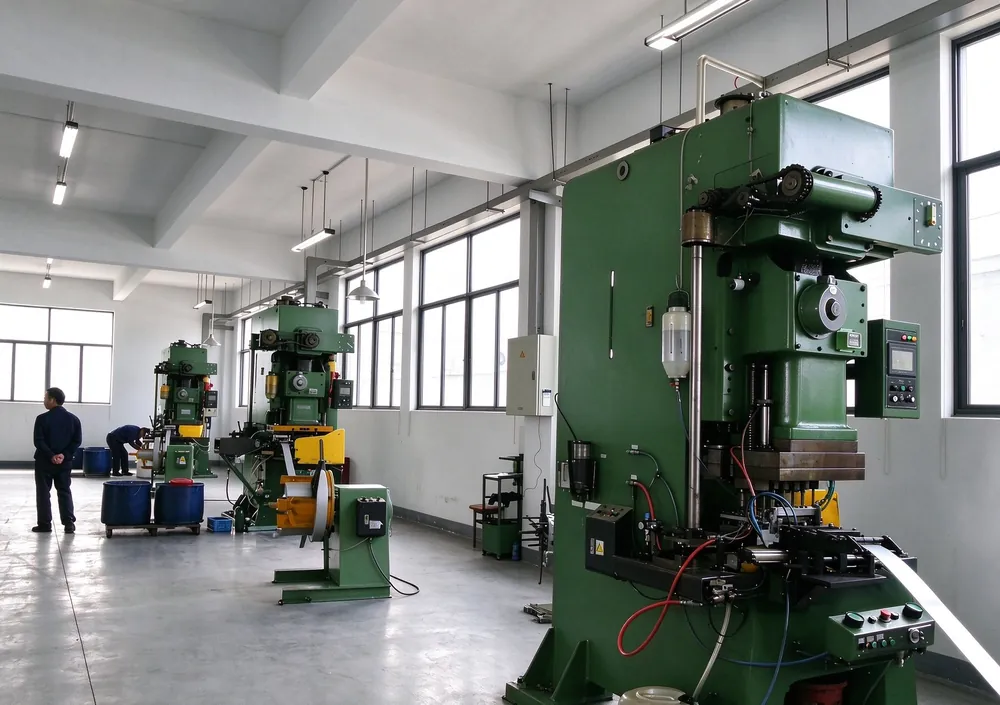
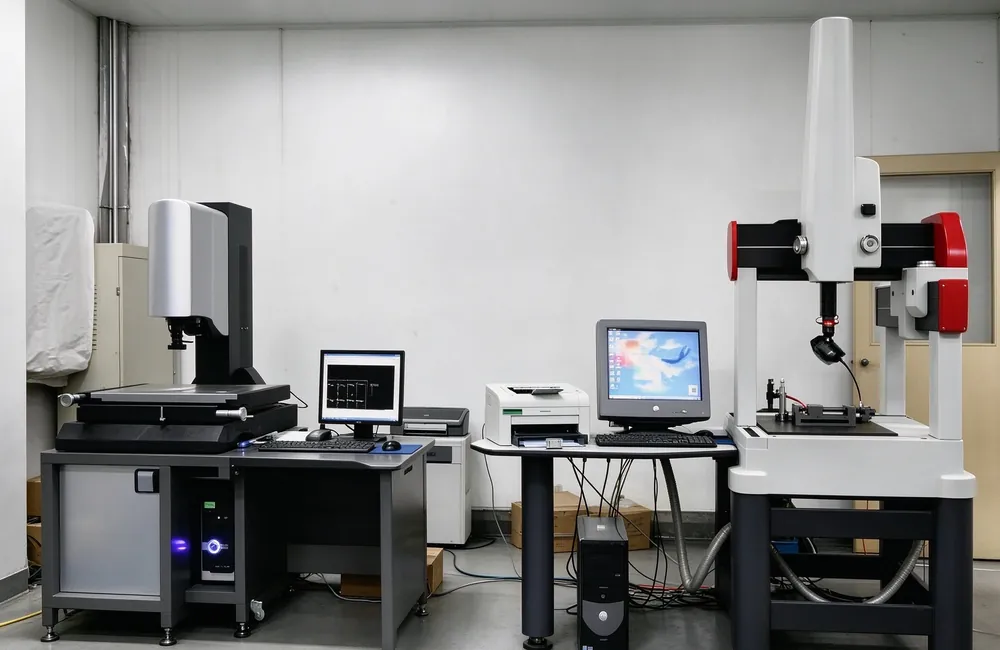
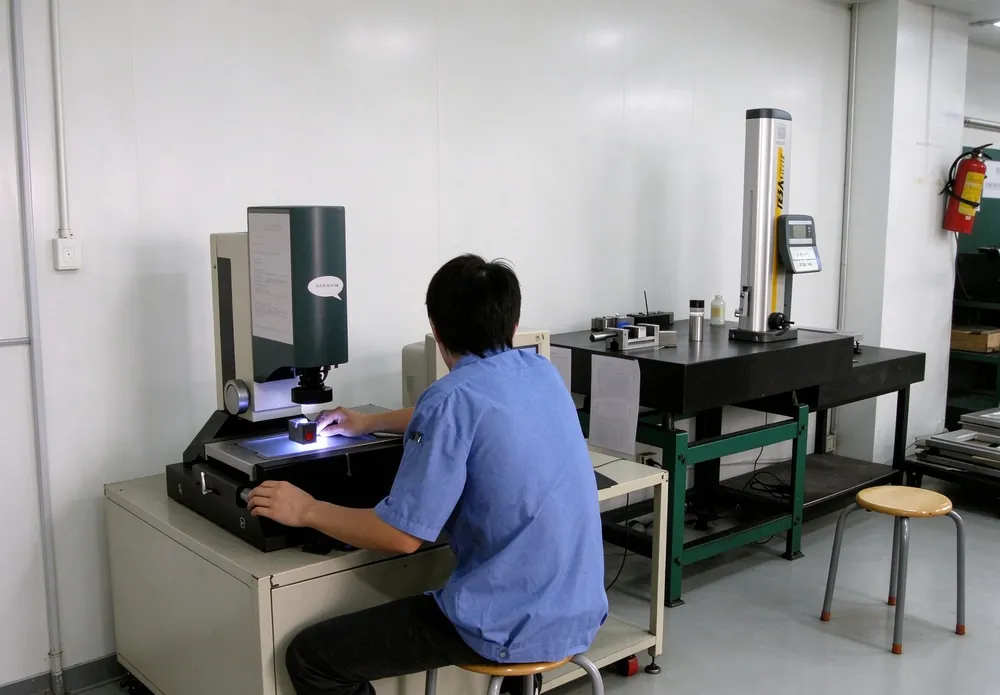
Our Sensor Housings Capabilities
-
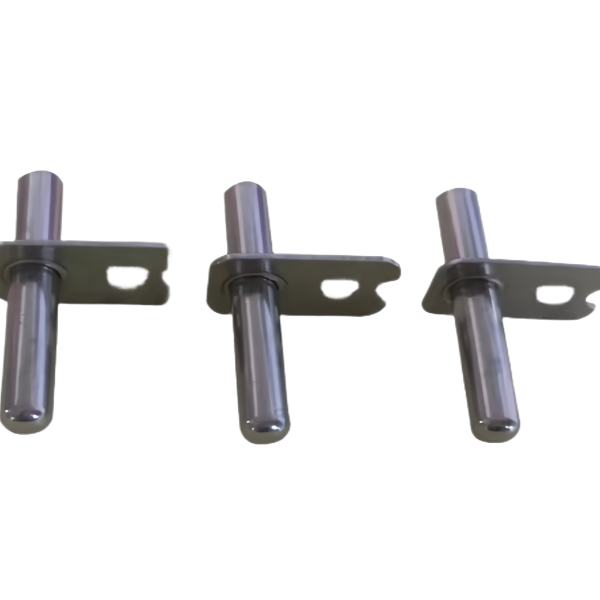
Flange-Mount Sensor Probe Housings with Fixing Holes
-
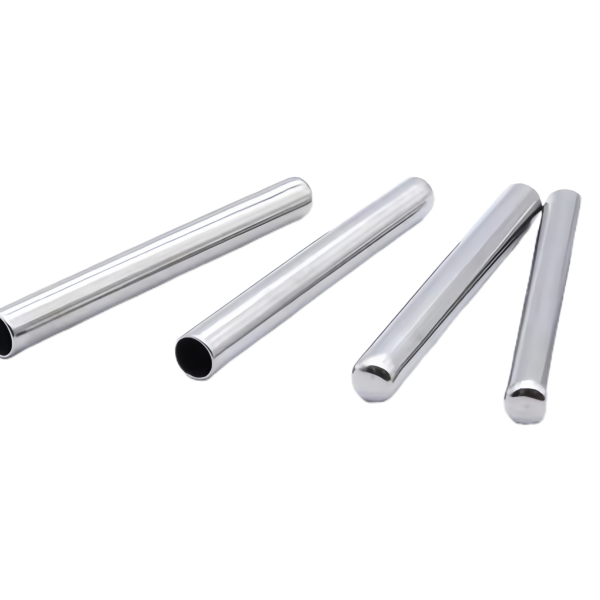
Stainless Steel Closed-End Sensor Housing Tubes Multi-Size
-
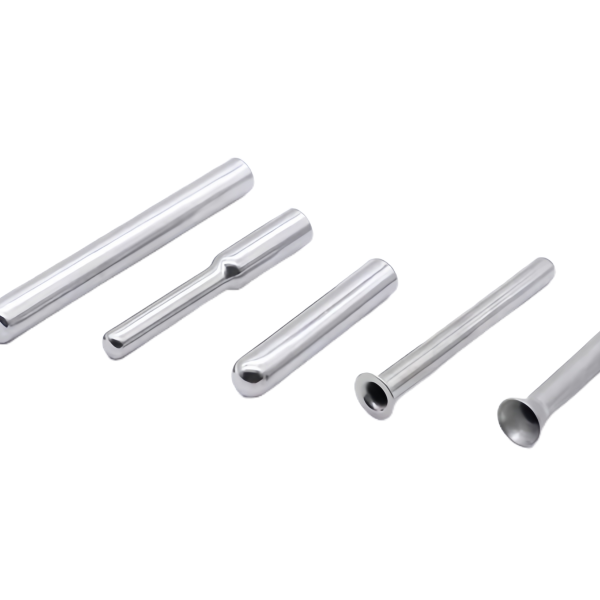
Stainless Steel Sleeve Tubes with Reduced-Diameter Tips
-
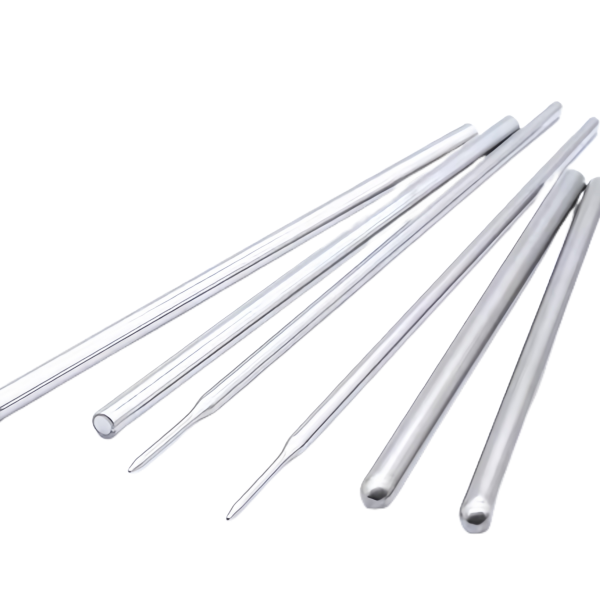
Stainless Steel Thermowell Sleeves and Needle Probes Set
-
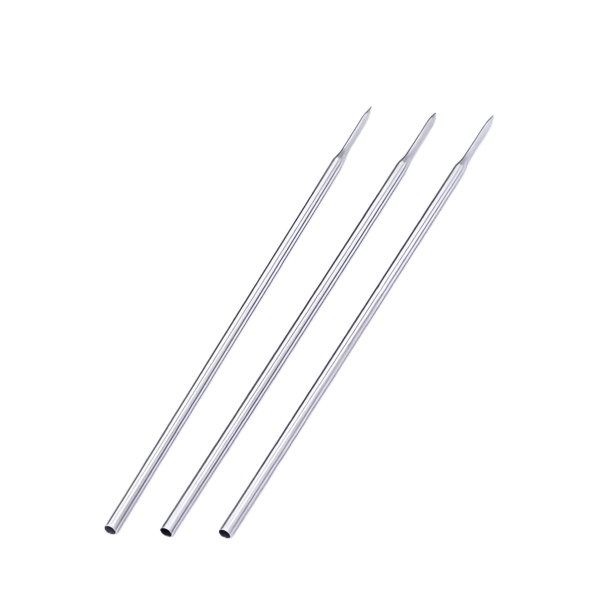
Stainless Steel Needle Probe Sensors for Meat Thermometers
-
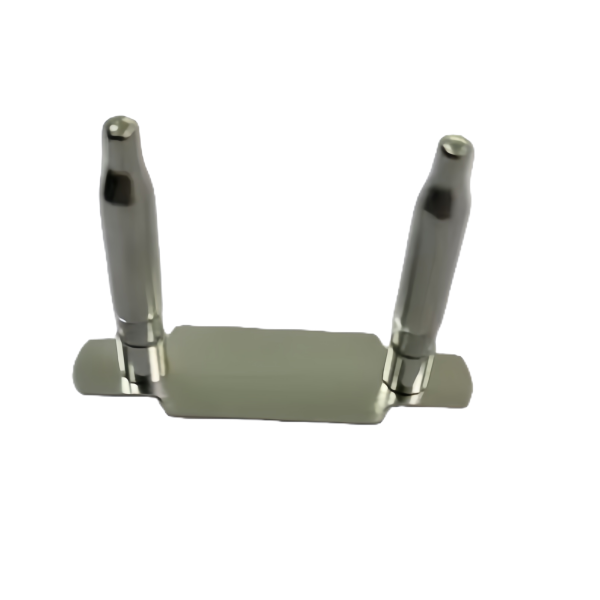
Double-Tube Sensor Probes Welded Mounting Base Assembly
-
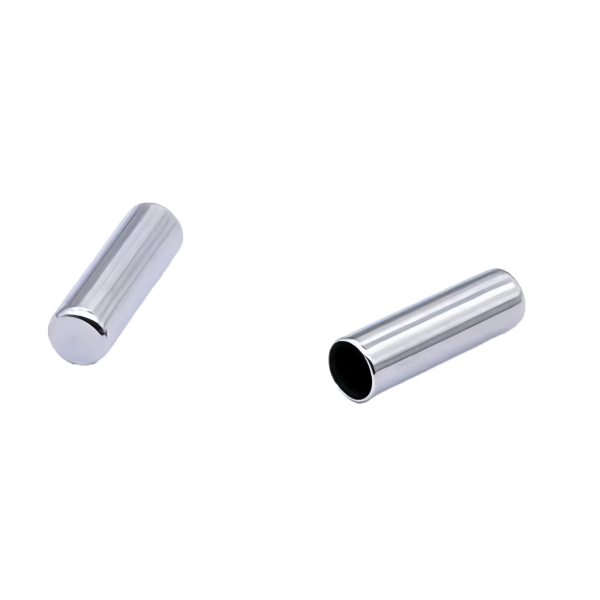
Deep Drawn Stainless Steel Sensor Sleeve Shells
-
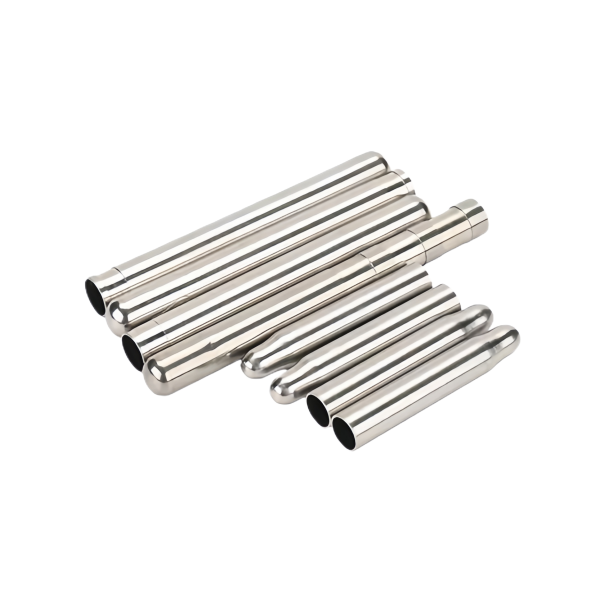
Stainless Steel Round Tubes Assorted Sizes for Instruments
-
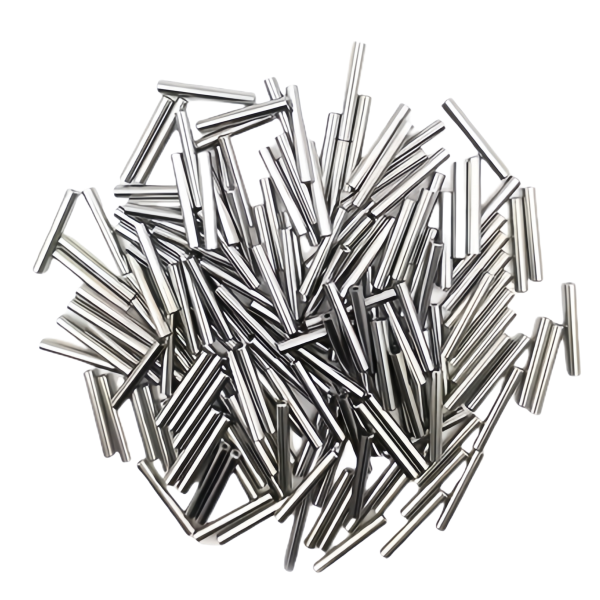
Stainless Steel Capillary Tube Segments Bulk Supply
-
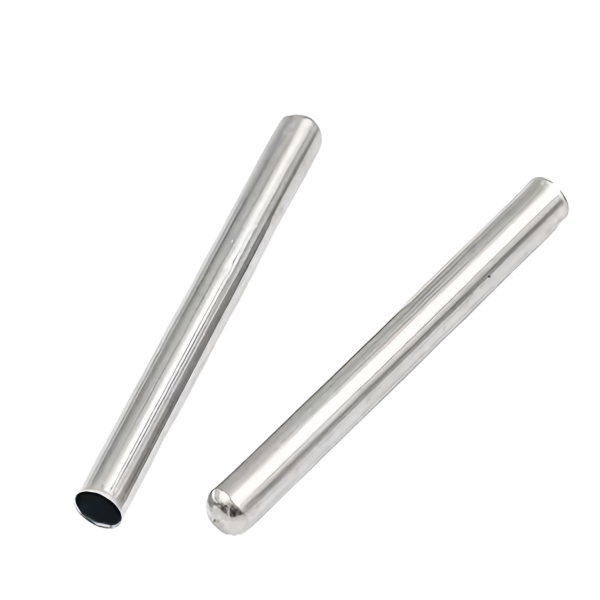
Stainless Steel Micro Tubes with Closed and Open Ends
-
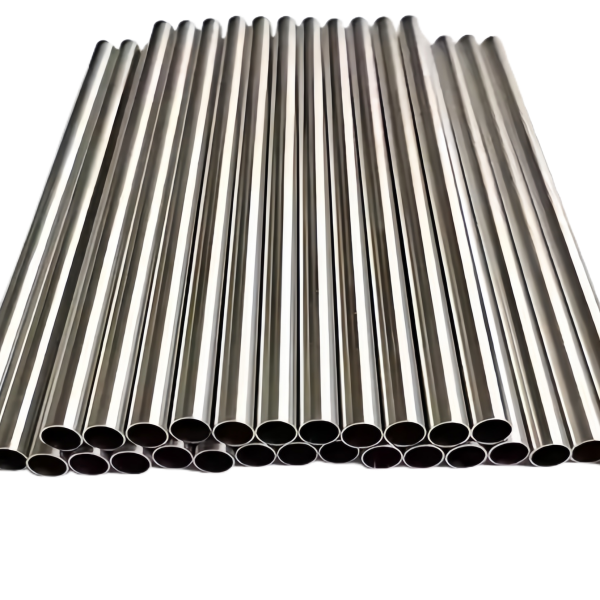
Long Straight Stainless Steel Capillary Tubes Bundle
-
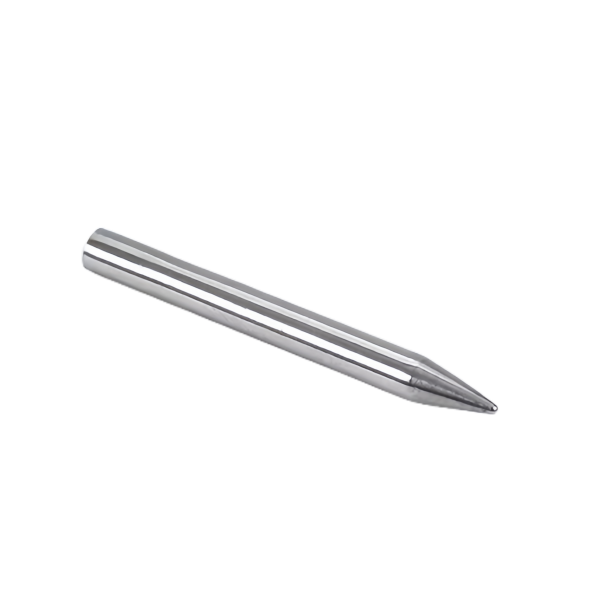
Stainless Steel Pointed-Tip Temperature Probe Tube
-
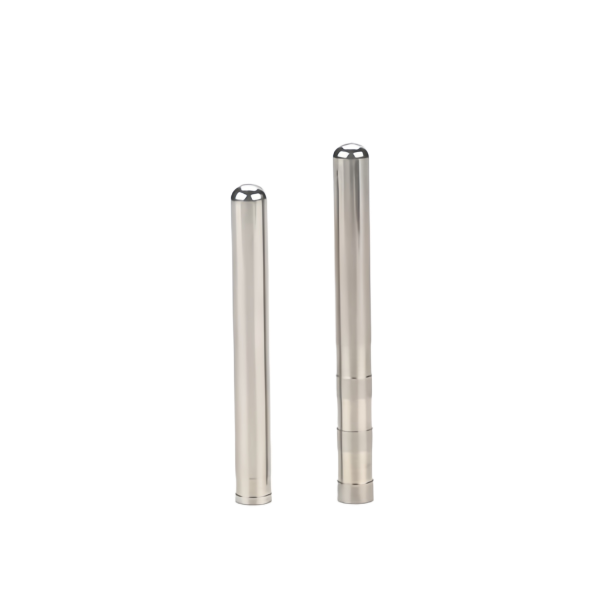
Stainless Steel One-End-Closed Thermowell Tubes
-
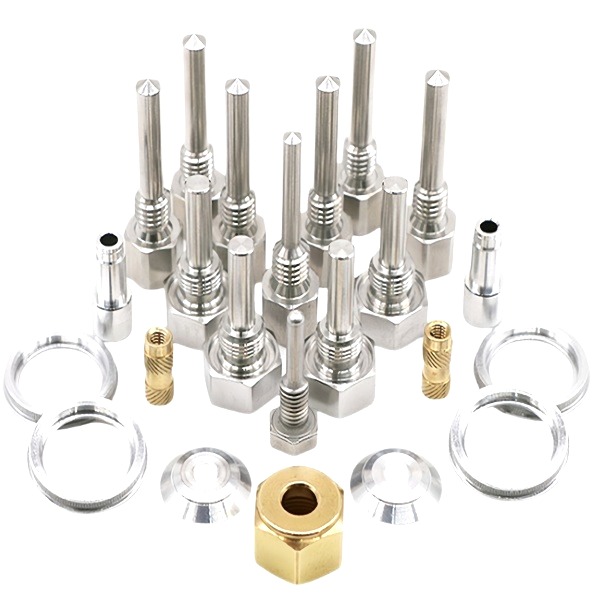
NTC Thermistor Probe Housings with Hex Compression Fittings
-
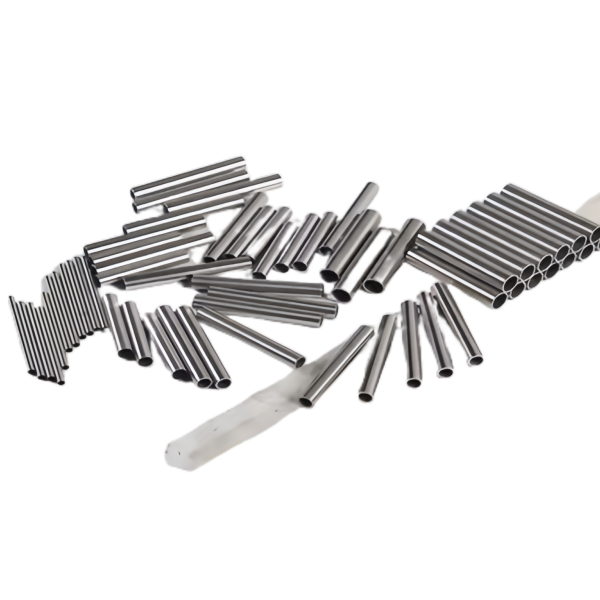
Stainless Steel Capillary Tube Bundle for Sensor Probes
-
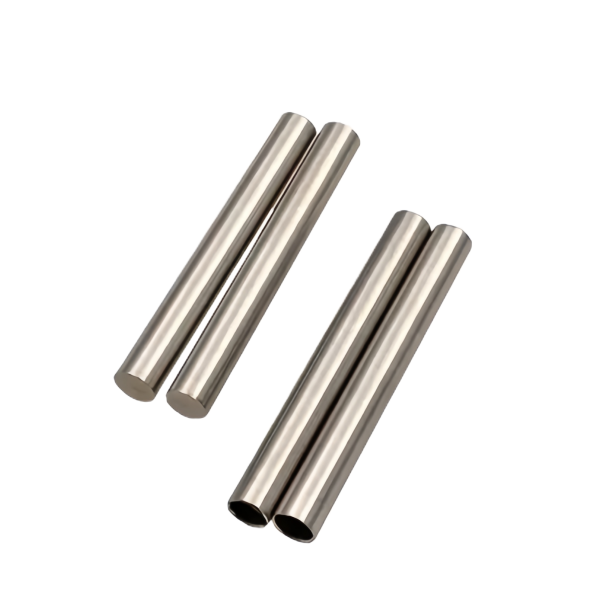
Stainless Steel Closed-End Tubes for Temperature Sensors
-
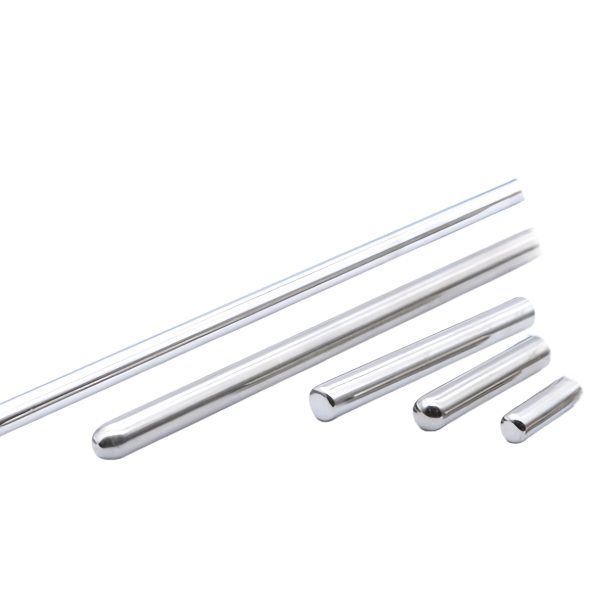
Stainless Steel Sensor Probe Tubes Multiple Lengths
-
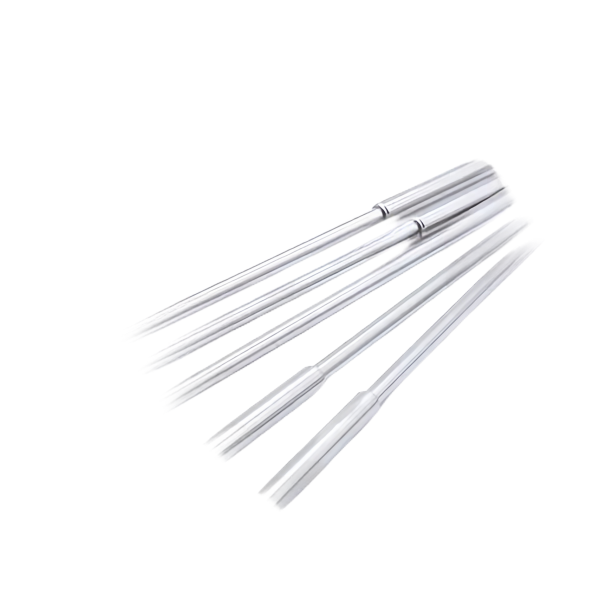
Thin-Wall Stainless Steel Temperature Probe Sheaths
-
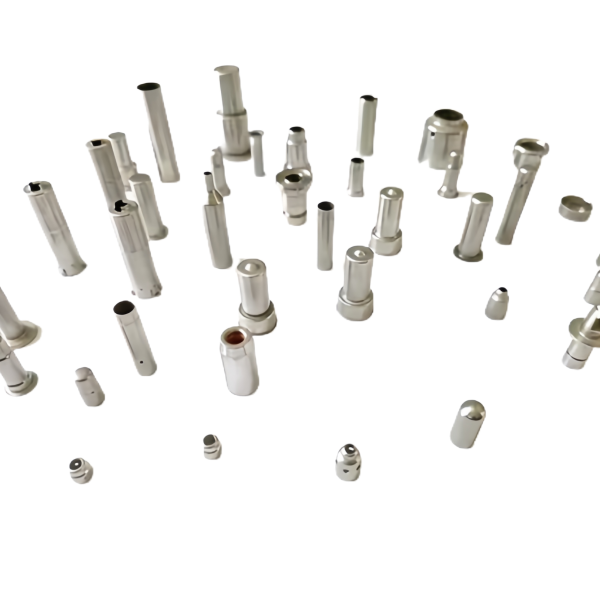
Stainless Steel Probe Housings Assortment Threaded Ends
-
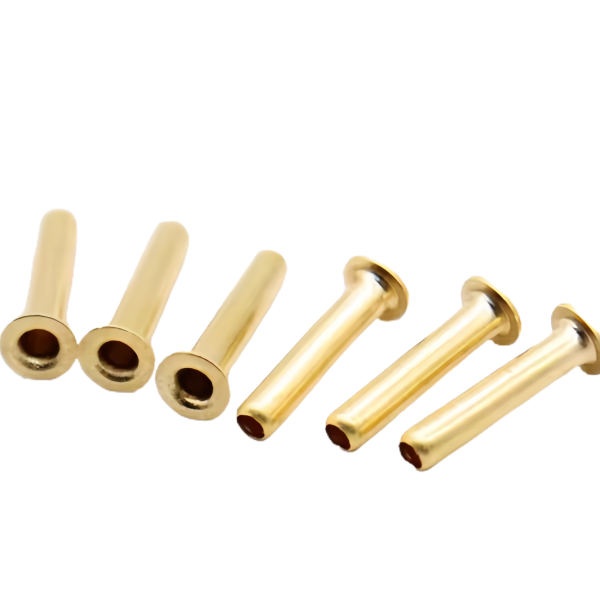
Brass Flanged Closed-End Sensor Housing Sleeves
-
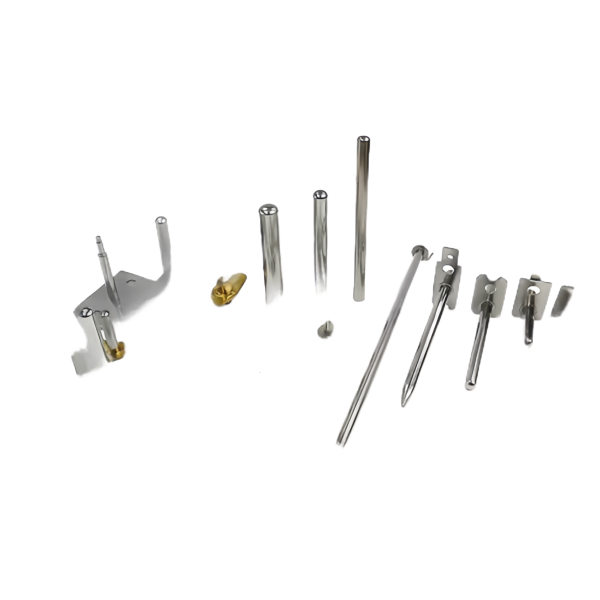
Assorted Temperature Sensor Probe Parts and Fittings
-
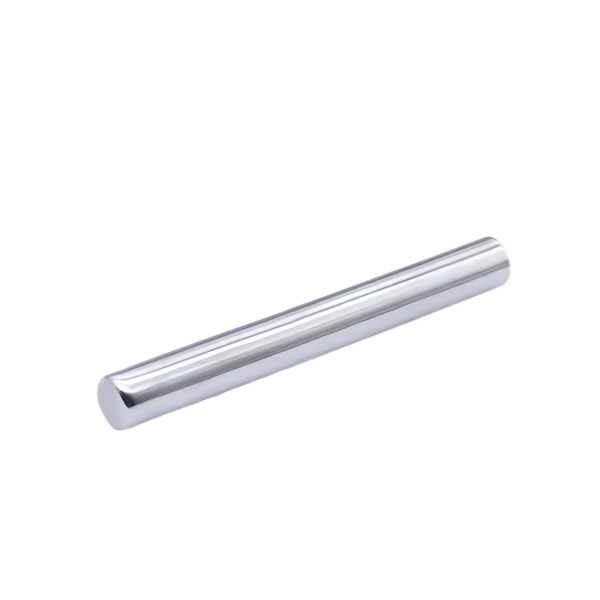
Stainless Steel Closed-End Probe Sleeve Tube 6x50mm
-
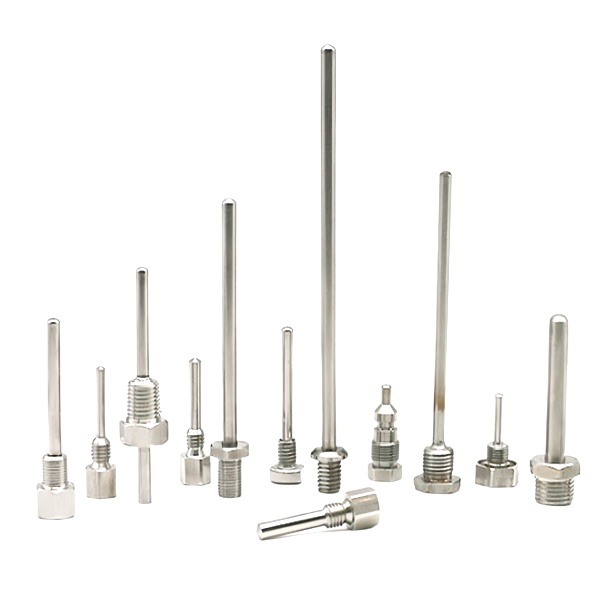
Thermowell Probe Fittings Assorted Stem Lengths
-
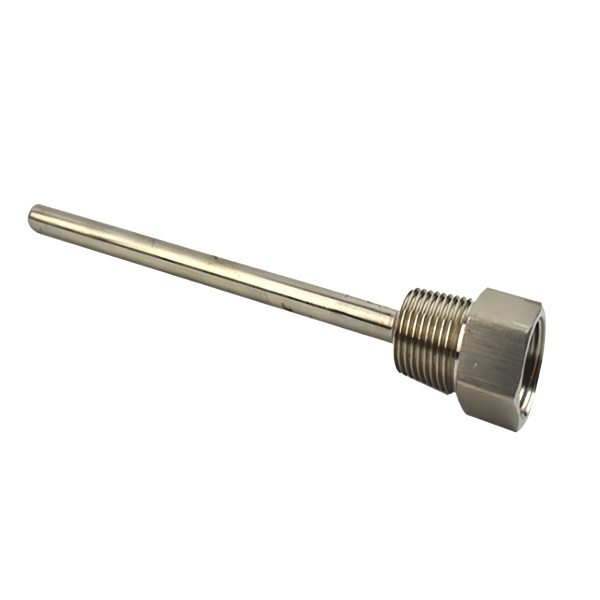
Brass Thermowell with Hex Nut Long Stem
Need custom Sensor Housings? Send your drawing – quotation within 24 hours.
What Is a Sensor Housing?
A sensor housing is the protective shell that encloses a sensing element—a thermistor, pressure cell, oxygen probe, or Hall-effect device—so it can survive heat, pressure, vibration, and corrosive media while still transmitting a clean signal. For a deep-drawn parts manufacturer, the housing is rarely a simple cup. It is a precision enclosure where wall thickness, concentricity, and a leak-tight seal decide whether the sensor reads accurately for ten years or fails in the field.
Because the body is formed from a single blank in one or two draws, a deep-drawn sensor housing has no longitudinal weld seam on the sidewall. That makes it inherently stronger and more pressure-capable than a seam-welded tube, which is exactly why automotive, HVAC, and industrial sensor makers specify drawn housings over fabricated ones.
How Sensor Housings Are Built
The typical production route is:
| Step | What happens |
|---|---|
| 1. Blank & draw | A stainless steel or aluminum disc is drawn into a shell in a progressive tool, holding wall thickness to ±0.03 mm. |
| 2. Feature forming | Pierced holes, hex bosses, or closed ends are added in follow-on stations within the same die set. |
| 3. Sealing | Laser welding or resistance welding joins the cap to the body for a hermetic, pressure-rated enclosure. |
| 4. Finish & inspect | Deburr, passivate or anodize, then 100% leak-test and dimensional audit before shipment. |
Materials for Sensor Housings
Material choice drives corrosion resistance, weldability, and cost:
- 316L stainless steel — the default for corrosive or high-humidity duty (exhaust gas, marine, process). Low carbon grade welds cleanly without sensitization.
- 304 stainless steel — economical for indoor or dry-signal housings where 316L is over-specified.
- Aluminum (6061 / 3003) — chosen when weight matters, often anodized for wear and insulation; see our aluminum deep drawn dome covers.
- Copper & brass — used where thermal conductivity or electromagnetic shielding is required, such as copper sensor sleeves.
Sensor Housings by Application
We supply drawn housings across the common sensing families:
| Sensor type | Typical housing need |
|---|---|
| Temperature | Thin-wall closed-end tube, e.g. our 6×50 mm temperature sensor housing. |
| Oxygen / gas | Seamless 316L body with laser-welded cap for a stable reference cell. |
| Pressure | Thick-wall shell rated to the process pressure, often with a hex boss. |
| Position / speed | Machined 316L machined sensor parts for Hall and inductive targets. |
For probe-style parts, see our end-closed copper sensor probes and the wider drawn tubes & sleeves line.
Tolerances & Wall Thickness
Drawn sensor housings are held to tight, repeatable limits because the die governs every part:
- Sidewall thickness: 0.15–3.0 mm, controlled to ±0.03 mm on diameter.
- Outer-diameter tolerance: typically ±0.05 mm; ID concentricity within 0.08 mm.
- Length: ±0.10 mm; sealed-end flatness within 0.05 mm.
- Surface: bright-drawn or polished; optional passivation per ASTM A967.
These numbers are achievable at production scale because the geometry is fixed by the tool, not by operator skill—see the limiting draw ratio reference for how draw depth and wall thinning are balanced.
Frequently Asked Questions
What material is best for a sensor housing?
For most outdoor, exhaust, or washdown sensors, 316L stainless steel is the safe default—it resists pitting and welds without carbon precipitation. Use aluminum when weight is critical and the environment is benign; use copper or brass when you need thermal or EMI performance.
Can you seal sensor housings hermetically?
Yes. Closed-end shells and cap-to-body joints are made leak-tight by laser or resistance welding, then 100% leak-tested. Hermetic grades are standard for pressure and gas-sensing applications.
What wall thickness can you draw?
We draw sensor housings from 0.15 mm up to about 3.0 mm wall, depending on diameter and draw depth. Very thin walls need careful blank control to avoid earing and wrinkling.
Do you assemble sensors or supply housings only?
We are a deep-drawn parts manufacturer and normally supply the housing or sub-assembly. We can integrate simple secondary operations—piercing, threading, welding—but the sensing element itself is fitted by the customer.
What tolerances are achievable on the ID?
Inner-diameter concentricity is typically held within 0.08 mm because the draw defines the bore from a single tool. If a tighter bore is needed, we add a sizing or machining pass as a secondary operation.
Related Deep Drawing Resources
Sealing Methods for Sensor Housings
A sensor housing only does its job if the inside stays isolated from the outside environment. The sealing method you choose drives cost, lead time, and the maximum ingress-protection rating you can claim. We offer four production-sealed routes, and the right one depends on whether you need a hermetic barrier, a pressure-tight joint, or simply a dust- and splash-resistant closure.
Laser welding
Best for stainless steel and aluminum sensor housings that must be permanently sealed. A continuous laser weld gives a narrow heat-affected zone, so the thin walls around the seam do not distort. We use both pulse and continuous-fiber lasers with seam-tracking to hold weld width under 0.4 mm even on 0.3 mm wall stock. Laser welding is the default for oxygen, pressure, and position sensors where a true hermetic joint is required.
Adhesive and epoxy bonding
When one side is a glass, ceramic, or polymer insert, adhesive bonding avoids thermal stress that would crack the insert. We use two-part epoxies and UV-cure adhesives qualified to automotive temperature cycles. Bond joints are cheaper than welding for low-volume runs but require controlled cure ovens and surface preparation.
Crimp and swage closures
For cable- or lead-exit housings, a controlled crimp around a grommet or ferrule provides a repeatable seal without adding a weld station. The crimp geometry is validated by pull-test and leak-test on a per-die basis. This is common on temperature-probe and harness-mounted sensor bodies.
Glass-to-metal and ceramic seals
The highest-reliability option. A matched-CTE glass frit fuses the metal shell to a pin or window, producing a hermetic feed-through used in high-temperature and high-pressure sensors. These need dedicated sealing fixtures and are typically quoted as a specialty process.
Ingress Protection Ratings: IP67, IP68, IP69K
Customers often ask for “waterproof” without a defined test. The IP code removes ambiguity. We design and verify to the rating your application actually needs rather than over-engineering the seal.
| Rating | Solid protection | Liquid protection | Typical Aunov approach |
|---|---|---|---|
| IP65 | Dust-tight | Low-pressure jet, 3 min | Crimp + grommet |
| IP67 | Dust-tight | Immersion 1 m, 30 min | Laser weld + O-ring groove |
| IP68 | Dust-tight | Immersion >1 m, depth per spec | Laser weld + bonded window |
| IP69K | Dust-tight | High-pressure, high-temp jet | Welded shell, no seams facing spray |
Reaching IP68 on a deep drawn stainless steel sensor housing is mostly about the lid-to-body seam and the cable exit. We prototype the seal, then prove it with the actual test rather than assuming the rating from geometry alone.
Wall Thickness, Pressure Rating & Stack-Up
Thin-wall sensor housings balance two opposing needs: light weight and enough wall to survive internal pressure and external crush. The table below is a starting point we refine per program.
| Material | Wall (mm) | Typical burst (bar) | Best use |
|---|---|---|---|
| 304 stainless steel | 0.25–0.40 | 15–40 | General industrial |
| 316L stainless steel | 0.30–0.50 | 20–55 | Corrosive / marine |
| Aluminum 6061 | 0.40–0.60 | 10–25 | Weight-sensitive |
| Brass | 0.30–0.50 | 18–45 | EMI-sensitive, threaded |
Wall thickness is not uniform after drawing. The punch radius and the can corner thin slightly, while the wall near the flange stays at the blank gauge. We measure wall at the thinnest drawn point and report that number on the inspection report so your design margin is real, not nominal.
EMI Shielding for Sensor Housings
Many sensors sit next to motors, inverters, or RF sources. A drawn metal shell is naturally a Faraday cage, but only if the lid makes continuous electrical contact with the body. Gaps at the seam, paint coatings, or plastic windows break the shield.
- Weld-through shield: keep the seam bare metal and laser-weld so the lid and body are electrically continuous.
- Conductive gasket: an EMI gasket in a machined groove maintains contact across a sealed joint.
- Plated interior: electroless nickel inside the can improves high-frequency attenuation when the base metal is aluminum.
If your sensor needs to pass a specific radiated-emission limit, tell us the standard (CISPR, FCC, or an OEM spec) early; shielding is designed in, not added later.
Design for Manufacturing (DFM) Checklist
Most sensor-housing cost is locked in at the drawing stage. Before we quote, we walk through this list with you:
- Draw ratio under ~2.0:1 so we can form in one or two passes without intermediate anneals.
- Corner radius at least 2–3× wall thickness to avoid thinning and cracking.
- Wall tolerance ±0.03 mm only where it matters; relax elsewhere to cut scrap.
- Seam defined (weld vs. crimp vs. bond) before tooling so the shell and lid match.
- Features that need tight position tolerance placed on the flange, not the drawn wall.
- Surface finish called out only where it affects sealing or EMI; leave the rest as-drawn.
- Volume band stated (1k / 10k / 100k+ per year) so we pick progressive tooling vs. soft tooling.
Sensor Housings Across Industries
Automotive
Manifold absolute pressure (MAP), mass-air-flow (MAF), exhaust oxygen (O2/EGT), and wheel-speed sensor bodies are drawn from stainless steel or aluminum, then laser-welded and leak-tested. These run under IATF 16949 with full PPAP documentation.
Industrial & process
Pressure and differential-pressure transmitters need 316L stainless steel bodies rated to the line pressure, with a welded isolated diaphragm. Corrosion resistance and traceability matter more than unit cost.
Medical
Disposable and reusable sensor cans use 316L stainless steel or titanium with electropolished interiors for cleanability. Biocompatibility and documented material certificates are part of the quote.
HVAC & appliances
Temperature and humidity probes use thin-wall aluminum or brass sleeves, often with a crimped cable exit, optimized for high volume and low cost.
Quality & Leak Testing
Every sealed sensor housing is a pressure boundary, so we test rather than assume. Depending on the rating we use:
- Pressure-decay: fast, economical, good down to ~1×10⁻³ mbar·L/s.
- Helium mass-spectrometry: for hermetic parts, detects leaks to 1×10⁻⁸ mbar·L/s.
- Dye penetrant: on the weld seam for visual proof of continuity.
Test method and acceptance limit are written into the control plan so incoming inspection at your plant matches what we shipped against.
Secondary Operations
The drawn shell is rarely the finished part. Common follow-on work we perform in-line:
- Electropolish or passivation for stainless steel corrosion resistance.
- Zinc-nickel or electroless-nickel plating for aluminum EMI and wear.
- Laser marking of part number and lot code (no ink, no solvent).
- Insertion of glass, ceramic, or polymer feed-throughs before sealing.
- 100% vision inspection of the sealed seam.
Draw vs. Stamp vs. CNC for a Sensor Housing
Deep drawing wins when the part is cup- or can-shaped with a closed end and thin walls — it makes the shell in one piece with no seam on the body. Stamping suits flat or shallow lids and brackets. CNC machining is the choice for very low volume or when internal features can’t be drawn. For most production sensor cans, deep drawing the body plus a stamped or drawn lid is the lowest-cost sealed solution.
Advanced Questions on Sensor Housings
Can a drawn sensor housing be hermetic without welding?
Only at low ratings. Crimp and adhesive joints resist dust and splash but are not truly hermetic. For a measured helium leak rate you need a welded or glass-to-metal seal.
How thin can the wall be on a stainless steel sensor can?
We regularly draw 304 and 316L stainless steel down to 0.20 mm wall on small diameters. Below that, handling and leak-test yield drop, so we would discuss a different process.
Do you supply the sensor internals or just the shell?
We supply the metal housing and sealing; sensor elements, PCBs, and cables are typically customer-supplied or sourced by your assembly partner. We will seal customer-furnished inserts if the process is qualified.
What documentation comes with an automotive sensor housing?
For IATF 16949 programs we provide PPAP (up to Level 3), material certificates, Cpk data on critical dimensions, and a control plan tied to the leak-test method.
Can you match an existing competitor housing for a second source?
Often yes. Send the sample or drawing; we reverse-engineer the form, confirm the material, and quote a drop-in replacement shell. Tooling is faster when the geometry is a standard round can.
Common Sensor-Housing Defects & How We Avoid Them
| Defect | Cause | Prevention |
|---|---|---|
| Wall thinning at corner | Too-small punch radius | Radius ≥ 2× wall; add redraw pass |
| Weld porosity | Dirty seam, wrong gas | Clean prep, qualified weld map |
| Leak at crimp | Grommet mismatch | Matched tooling, pull-test |
| Out-of-round bore | Mandrel wear | Scheduled mandrel change |
Quoting a Sensor Housing: What We Need
A good quote needs less than you think, but the right things. Send us:
- A 2D drawing with critical dimensions toleranced (not just a 3D model).
- The material grade written in full (for example, 316L stainless steel, not “SS”).
- The sealing method and target IP rating.
- Annual volume band and target price if you have one.
- Any standard the part must pass (automotive, medical, EMI).
Prototyping Path
We typically prototype by soft tool or by sampling from existing similar tooling, then validate form, seal, and leak before cutting production dies. This keeps tooling spend behind a proven design and avoids re-cutting a die to a moving target.
Medical & Food-Grade Notes
For medical and food contact, we electropolish the interior to a specified Ra and provide material certificates. 316L stainless steel is the default; titanium is an option where weight or biocompatibility demands it.
Packaging & Logistics
Sealed housings are packed to protect the seam and any machined bore. For automotive we use returnable dunnage with lot labels tied to the traceability record, so your line scan matches our shipping data.
More Sensor-Housing Questions
Can you make a housing with a glass window?
Yes. We weld or bond a glass or sapphire window into the lid, then seal and leak-test. This is common for optical and some pressure sensors.
What is the smallest sensor can you draw?
We make small-diameter cans used on harness-mounted probes; tell us the outside diameter and length and we will confirm the draw feasibility.
Do you support RoHS and REACH?
Yes. Plating and adhesives are selected to meet RoHS/REACH where required, and we document the substances used on request.
Can the housing carry a threaded port?
We can form a boss and then tap it, or weld a threaded insert, depending on the pressure and material. Threaded ports are common on pressure transmitters.
How fast can you deliver first samples?
For a standard round can from similar tooling, samples can be fast; for a new shape needing a die, lead time is driven by tool build, which we quote up front.
Worked Example: Specifying an Exhaust Oxygen Sensor Housing
To show how the choices fit together, here is a representative specification we often see for an automotive oxygen sensor body:
- Material: 316L stainless steel, full grade on the drawing, with mill certificate.
- Form: closed-end drawn can, 12 mm OD, 38 mm long, 0.4 mm wall.
- Seal: laser-welded lid with a glass feed-through for the sensing element.
- Rating: IP68, proven by helium leak test at 1×10⁻⁶ mbar·L/s.
- Tolerance: can OD ±0.05 mm, lid weld flush within 0.1 mm.
- Docs: PPAP Level 3, Cpk ≥ 1.33 on OD and weld flush.
From this we select the draw sequence (one redraw after the first draw), the weld map, and the leak-test method, then quote tooling and unit price against the annual volume.
Worked Example: Industrial Pressure Transmitter Body
A process-pressure transmitter needs a 316L stainless steel body that resists the line fluid and holds a welded diaphragm. Here the driver is corrosion plus pressure rating, so we draw a thicker wall (0.6 mm) and size the burst rating from the table earlier. The diaphragm is a separate welded disc, and the whole assembly is helium-leak-tested because a slow leak would drift the reading over time.
Worked Example: Disposable Medical Probe Sleeve
For a single-use probe, cost per unit matters and volumes are high. We draw a thin-wall 304 stainless steel or titanium sleeve, electropolish the bore for cleanability, and laser-mark a lot code. The spec emphasizes consistent wall over the full length because the probe must slide smoothly and seal at the tip.
Tolerance Deep Dive
Three numbers decide most sensor-housing fits: the can outside diameter (where it presses into a housing), the lid weld flush (where it meets a gasket), and any bored feature (where a seal or element seats). We measure each at the thinnest and most-stressed point, not just at a convenient location, and report the actual measured value rather than a nominal promise.
Specifying Sheet You Can Reuse
| Field | What to write |
|---|---|
| Material grade | Full grade, e.g. 316L stainless steel |
| Form | Drawn can, OD × length × wall |
| Seal | Weld / crimp / bond + rating |
| Critical dims | OD, ID (if any), weld flush |
| Test | Leak method + limit |
| Docs | PPAP level, Cpk target |
More Sensor-Housing Questions
Can you make a housing with two sealed chambers?
Yes, by drawing a step or welding an internal divider; the feature is qualified by the same leak-test discipline applied to each chamber.
What if my volume is uncertain at launch?
We start with soft tool or sample parts so you are not locked into a progressive die before demand is proven, then scale tooling as volume firms up.
Do you support design review before tooling?
Yes. We review the drawing for drawability and seal feasibility and propose tolerance and process changes that usually cut cost without changing function.
Can the same housing serve multiple sensor types?
Often, by keeping the shell common and changing only the lid and insert; this is a common way to manage a sensor family with one drawn body.
How do you protect the weld seam in a corrosive environment?
We select the matching filler or use an autogenous weld on 316L stainless steel, then passivate so the seam resists the same environment as the parent metal.
The Sensor Housing Manufacturing Sequence
Understanding the full sequence helps you specify correctly. It begins with blanking the disc from coil or sheet, then the first draw forms the cup. For deeper cans a redraw follows, sometimes with an intermediate anneal so the metal does not work-harden to cracking. The shell is then trimmed to length, the lid is formed or stamped, features such as ports or tabs are added, and finally the lid is sealed by welding, crimping, or bonding. At each step we measure, and the sealed part is leak-tested before it leaves.
Why Laser Welding Is the Default for Sealed Housings
Laser welding puts a narrow, deep, clean seam with minimal heat spread, so the thin wall next to the seam does not distort and nearby glass or plastic inserts are not damaged. The seam is continuous and, when qualified, gives a true hermetic joint. We qualify each weld map on sample parts, record the parameters, and run the same parameters in production so the result is repeatable rather than dependent on operator skill.
Pressure Testing in Practice
For an IP68 or higher rating we do not guess. The part is pressurized with air or helium and we measure the leak rate against the specified limit. Pressure-decay is fast and catches gross leaks; helium mass spectrometry finds the tiny leaks that matter for long-term sensor stability. The acceptance limit goes on the control plan so your incoming inspection checks the same thing we shipped against.
Material Certificate Traceability
For automotive, medical, and many industrial programs the material certificate links the finished part back to the melted heat. We keep that chain: the coil heat, the drawn shell, the sealed assembly, and the shipped lot all carry matching identifiers. If a field issue appears years later, the lot can be traced to the exact material and run.
Common Application: Temperature Probes
A temperature probe slides into a protective sleeve so the element is shielded but still reads the medium. The sleeve is usually a thin-wall drawn tube with a crimped cable exit; cost matters because volumes are high, so we optimize nest and draw cost together.
Common Application: Position & Speed Sensors
These sit close to moving metal and need EMI shielding plus a sealed body. We design the shell as a continuous metal Faraday cage, keep the seam bare where the lid meets the body, and plate the interior when the base is aluminum.
More Sensor-Housing Questions
Can you make a housing with an integrated connector?
We can mold or assemble a connector housing to the shell, or weld a metal connector boss; the approach depends on the sealing and EMI needs.
What finish do you recommend for a marine sensor?
For a marine environment we default to 316L stainless steel with passivation, and consider a protective coating if the duty is severe.
How small a feature can you draw or weld?
Small ports and tabs are routine; very fine features are reviewed per drawing, and we advise the practical minimum rather than promising the impossible.
Do you offer design-for-manufacture feedback?
Yes, as a standard step. We propose tolerance and process changes that usually cut cost and lead time without changing the function you care about.
Can one housing serve a sensor family?
Often, by keeping a common drawn shell and varying only the lid and insert, which also simplifies your spare-part logistics.
How to Choose a Sensor-Housing Supplier
When you evaluate suppliers, look past the headline price. Ask what sealing method they qualify, how they prove the ingress rating, and whether they can trace material to the melted heat. A supplier who leak-tests every sealed part and keeps the data is worth more than one who quotes low and inspects by eye. Also ask whether they design the housing or just make to print; a supplier who reviews your drawing for drawability often saves you cost and lead time before tooling is cut.
Pitfalls to Avoid
- Specifying the base metal without a grade — always write 304 stainless steel or 316L stainless steel.
- Calling for a tolerance tighter than the process needs; it raises cost for no function gain.
- Forgetting the seal method until after tooling; the shell and lid must be designed as a pair.
- Assuming IP68 from geometry alone; it must be tested.
- Mixing aluminum shell with a bare steel lid; the seam breaks the EMI shield.
Documentation You Should Expect
For a production sensor housing you should receive a material certificate, an inspection report with the critical dimensions measured (not just nominal), the leak-test result against the specified limit, and for automotive a PPAP package. If a supplier cannot provide these, that is a signal about what you will get at your incoming inspection.
More Sensor-Housing Questions
Can you support a supplier audit?
Yes, for qualified programs we support remote or on-site audits of the process and quality system.
What is your typical first-article lead time?
It depends on whether we sample from similar tooling or cut new; we quote it after reviewing the drawing.
Do you handle the sensor element too?
No; the element, PCB, and cable are usually customer-supplied. We supply and seal the metal housing around them.
Can you make a fully custom shape, not just round?
Round is the natural drawn shape; non-round sections are formed after drawing and we advise on feasibility.
How do you keep price stable over a long contract?
We fix the material grade and process in the quote and review pricing on a schedule tied to the material index you agree.