
Deep drawn and hydroformed aluminium and stainless steel housings for defense and electro-optical systems — night-vision and camera housings, gyro shells, ruggedized cases, engineered for verified IP67 sealing and built to survive shock, vibration and weather.
A defense or optical housing has two jobs that pull in opposite directions. It has to be light enough to carry and stiff enough to hold an optic perfectly still through shock, vibration and a wide temperature swing — and it has to seal the electronics inside against water, dust and salt for years in the field. Welded or machined boxes add mass and put seams where the environment attacks. Deep drawing and hydroforming give a light, stiff, seamless shell that packages tight and seals clean.
We form night-vision and camera housings, gyro and inertial shells, ruggedized transit cases and sealed electro-optical enclosures in aluminium 5xxx — EN AW-5052 and 5754 — for weight, and in stainless steel where strength or corrosion resistance demand it. Hydroforming lets us shape the complex, non-round optical cavities a machined part would need many setups to reach, and the drawn wall stays uniform so the housing holds its shape — and its seal — under load.
How We Form for Defense & Optics
Deep drawing and hydroforming together. Straight-shell housings come off the draw press; the non-round optical cavities and complex cross-sections come off the hydroform, where internal pressure shapes the metal into the die in one step. Choosing the right route for each feature keeps the wall uniform and the tooling count low.
Stiffness without mass. An optic housing has to hold its geometry under vibration, so we form structural stiffness into the shell — domes, ribs and formed flanges — rather than bolting on reinforcement that adds grams. A uniform, well-formed wall resists the flex that drifts an optical alignment.
Sealed from the start. Defense housings are specified to an ingress rating, so the sealing flange and gasket seat are formed in the tool, not machined after. That keeps the seal land square and repeatable so an IP67 rating is a property of the part, not a hope.
Defense & Optical Housings We Make
Night-vision and camera housings, gyro and inertial shells, ruggedized cases and hydroformed covers — drawn and formed in aluminium and stainless steel for defense and electro-optical service.
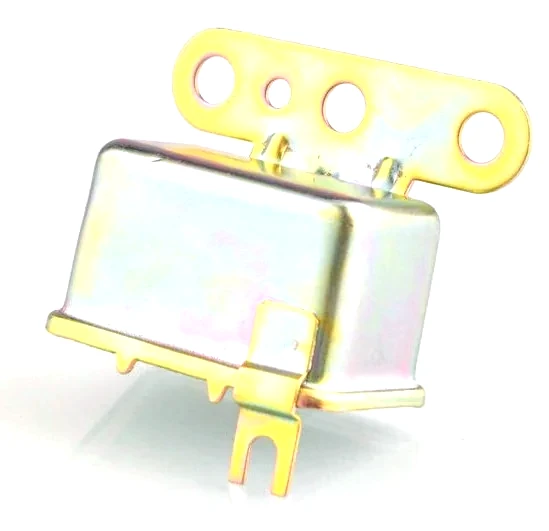 Zinc-Plated Military Case with Hinged CoverView details →
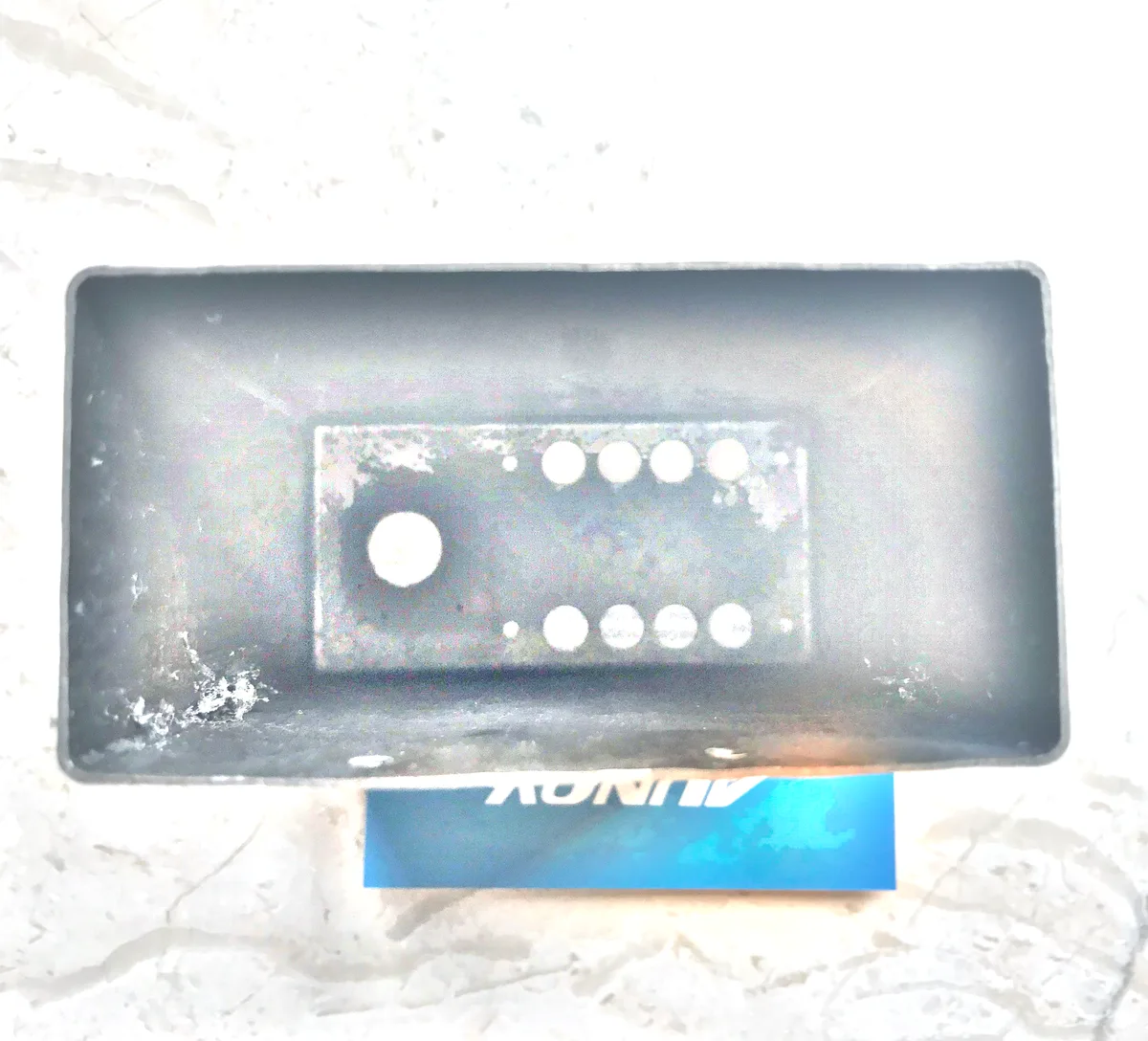 Hydroformed Aluminum Night Vision HousingsView details →
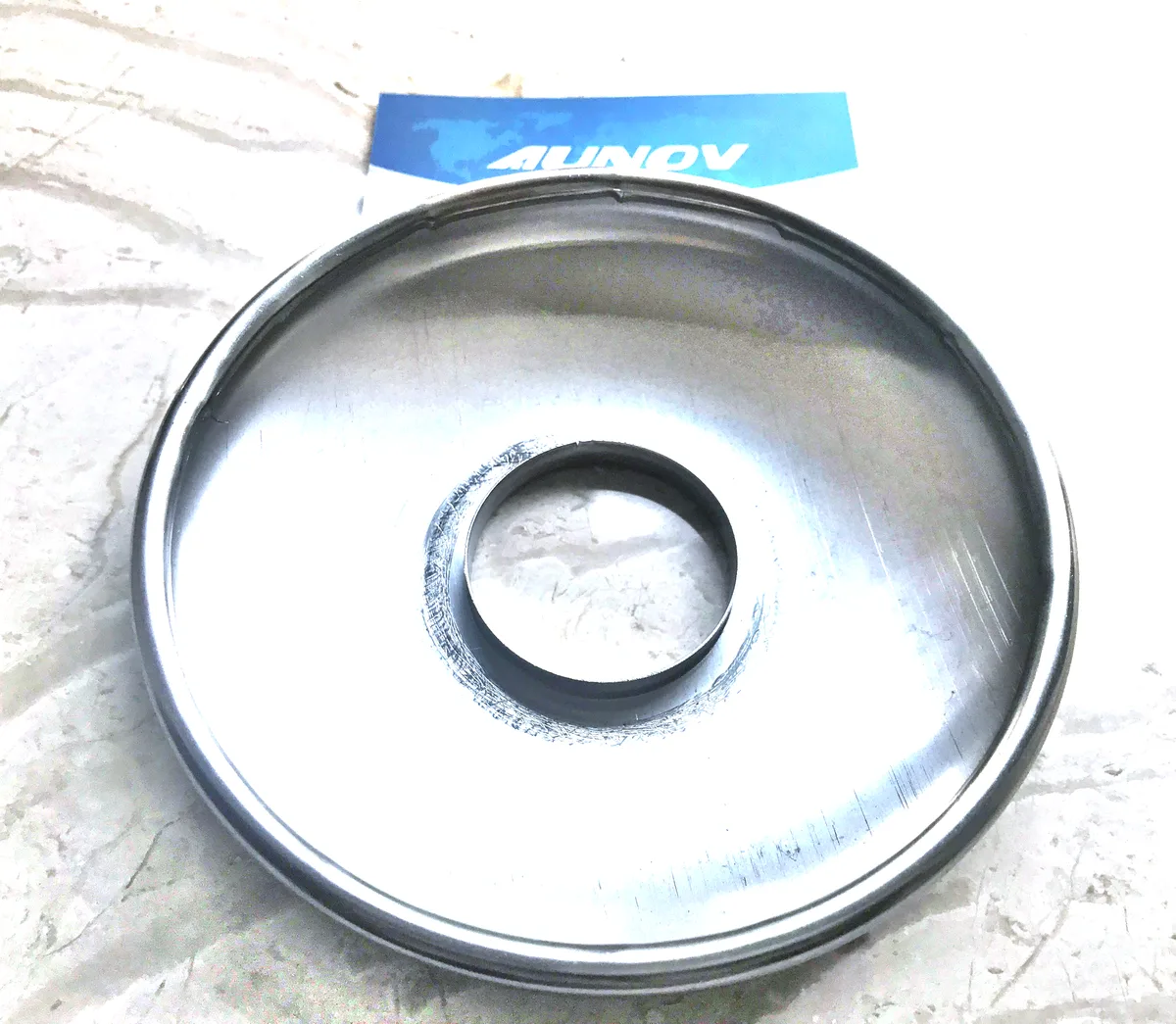 Hydroformed Aluminum Gyro HousingsView details →
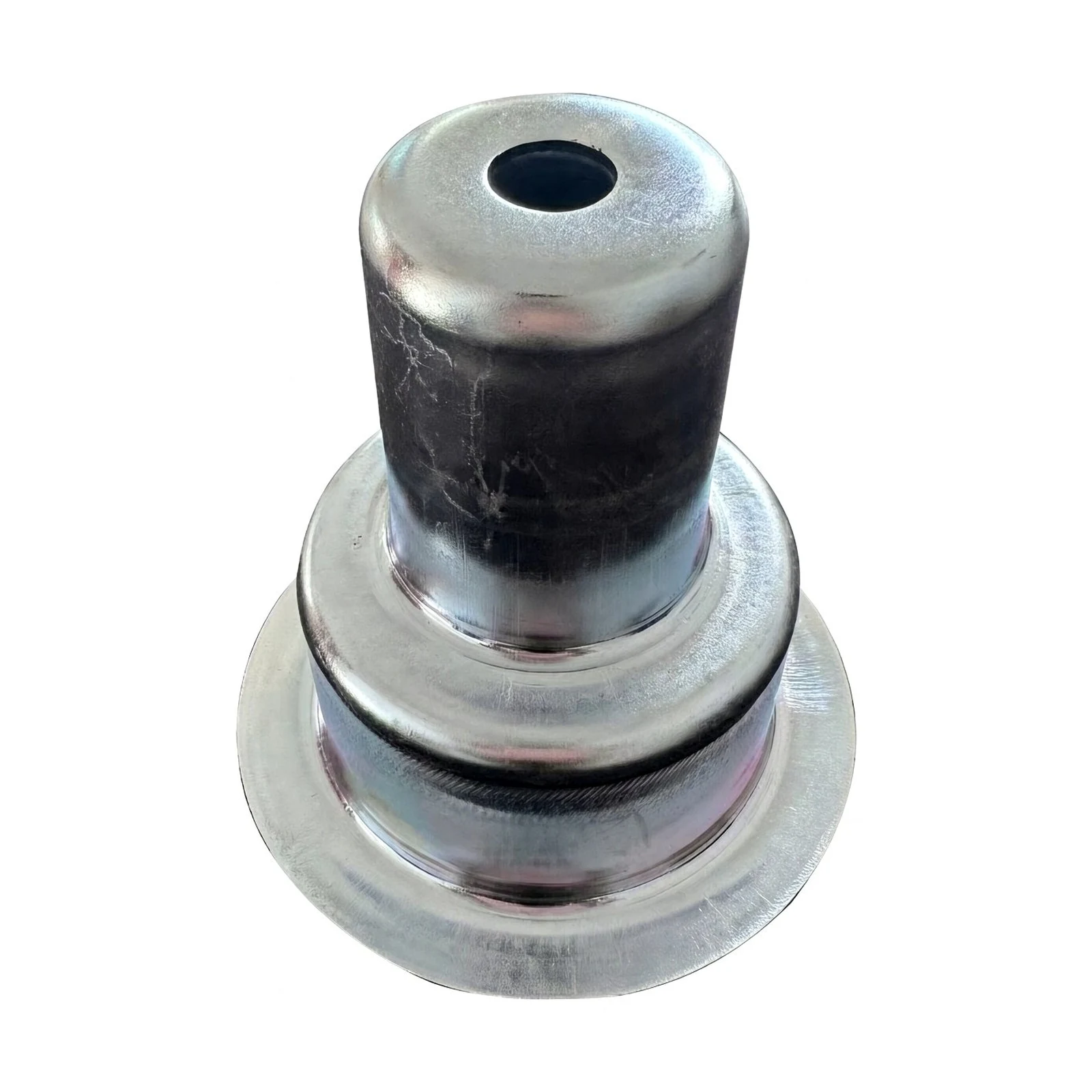 Hydroformed Aluminum Camera HousingsView details →
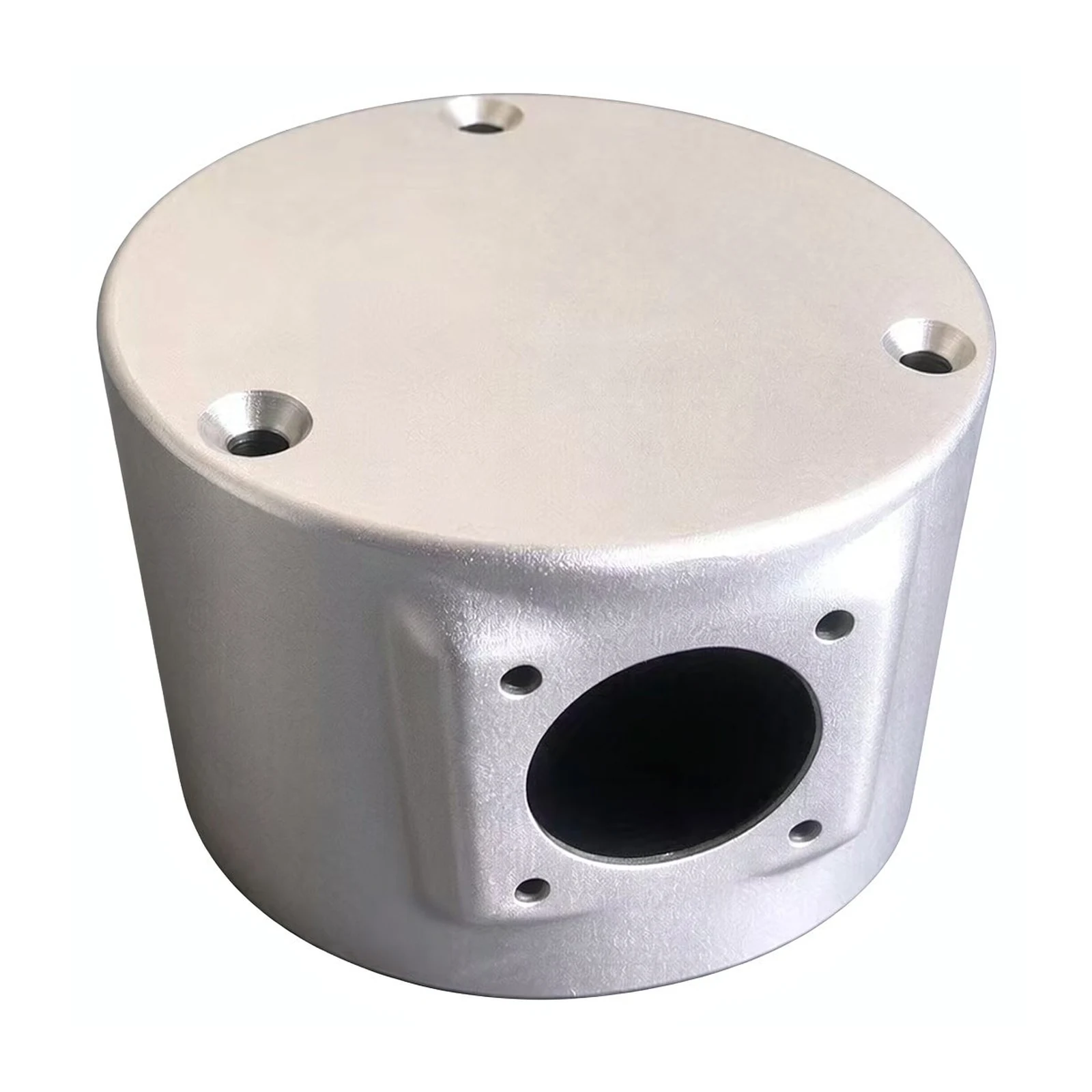 Aluminum Camera Housings with Pierced HolesView details →
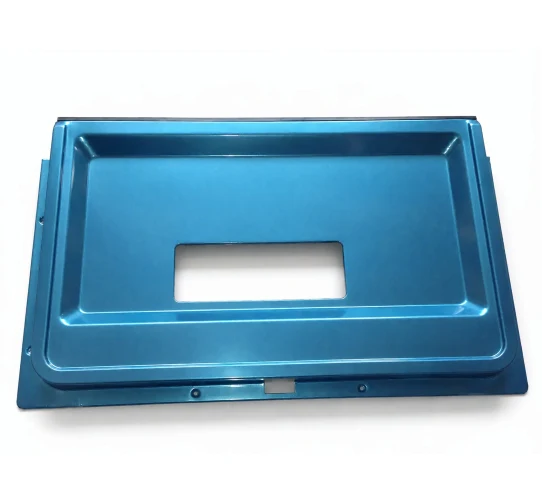 Hydroformed Aluminum CoversView details →
Materials & Finishes for Rugged Service
Aluminium 5xxx — EN AW-5052 and 5754. The default for electro-optical and defense housings — light, formable into the non-round optical cavities a hydroform needs, and stable across temperature. Deep shells are quoted at a draw ratio of 1.80–1.95; where a part needs 6xxx for strength, it is formed in the T4 or O condition and aged to T6 afterwards, because 6061-T6 itself does not have the elongation for a deep draw. We tune the draw and the hydroform so the fast work-hardening metal forms without tearing.
Stainless steel 304 and 316. Where a housing sees high load, salt or abrasion, stainless steel gives the strength and corrosion resistance aluminium cannot. It draws well for the straight sections of a case and takes a hard finish for field wear.
Field finishes. Hard anodise for wear and corrosion on aluminium, e-coat and powder for thicker films, and camouflage powder where the spec calls for it. We prep the surface and radii so the coating wets evenly and keeps the seal land clean.
Sealing, Vibration and Environmental Hardening
A defense housing is specified to an ingress rating and to survive shock and vibration. We form the sealing flange and gasket seat in the tool so the seal lands square all the way around — the property that lets a housing hold an IP67 rating in the field. Where a specification calls for environmental testing, we support first-article validation against the ingress, vibration and thermal profile you provide.
Stiffness is the other half. An optic that shifts under vibration drifts the whole image, so the housing has to resist flex. We build structural stiffness into the drawn and hydroformed shell — domes, formed flanges and uniform walls — so the geometry the optic was aligned to is the geometry it keeps after a truck ride and a temperature swing. We can hold the flatness and alignment features your optical bench needs and verify them on first-articles.
Wall control and leak verification.
Defense housings are drawn in stock from 0.15 to 3.0 mm on presses rated to 500 T, with the wall held to ±0.05 mm after ironing and ±0.02 mm on fine-drawn sections — the uniformity an optic cavity needs to hold its alignment through a temperature swing. Where the drawing marks a minimum wall, we section first-articles at that position rather than averaging the shell.
Sealing is verified against the ingress rating you specify, not assumed from geometry. On request we helium leak-test or pressure-test sample parts and first-articles, report the measured leak rate in mbar·l/s with the certificate package, and hold in-process gauging on wall thickness and flange squareness so drift is caught before it reaches your line.
What to Send Us for a Defense or Optical Housing
The drawing or 3D model. The cavity shape, the optical interface and the mounting features. For non-round cavities a 3D model lets us confirm the hydroform before we quote tooling.
The environmental and ingress spec. IP rating, vibration and shock profile, temperature range and any environmental standard you work to. That decides the finish and the sealing method.
The weight and stiffness target. How light it has to be and how much the optic can drift. That drives the alloy, the wall and the structural features we form in.
Volume and finish. Run rate and the field finish — hard anodise, e-coat or camouflage powder — so we sequence forming, cleaning and coating correctly.
Frequently Asked Questions
Can your housings hold an IP67 ingress rating?
We form the sealing flange and gasket seat in the tool so the seal lands square and repeatable, which is what an IP67 rating depends on, and we support first-article ingress testing against the rating you specify. The rating is a property we engineer into the part, not an afterthought.
What is the difference between hydroforming and deep drawing for an optical housing?
Deep drawing forms straight, round shells efficiently; hydroforming uses internal pressure to shape complex, non-round cavities and cross-sections in one step. We pick the route feature by feature so the wall stays uniform and the tooling count stays low.
How do you keep the optic aligned under vibration?
By building stiffness into the shell. Uniform walls, formed domes and flanges resist the flex that drifts an optical alignment, and we hold the flatness and interface features your bench needs, verifying them on first-articles so the geometry survives shock and temperature.
Which finish is best for a defense housing?
Hard anodise for wear and corrosion on aluminium, e-coat or powder for thicker protective films, and camouflage powder where the spec requires low observability. We match the finish to the field environment and keep the seal land clean so the coating does not compromise the gasket.
Is aluminium strong enough for a rugged case?
For most electro-optical housings, yes — aluminium 5xxx (EN AW-5052 / 5754) gives the strength-to-weight that makes a housing carryable, especially when we form structural stiffness into the shell. Where a case sees very high load or abrasion we move to stainless steel.
Do you support environmental and first-article testing?
Yes. We hold dimensional and flatness records on first-articles and can support ingress, vibration and thermal validation against the standard you work to. Tell us the specification early and we build the verification into the program.
Explore More
See how we form for other industries: automotive · industrial enclosures & vessels · battery & energy · medical & healthcare. Back to all deep drawn parts, or read about deep drawing and tool & die design.
Forming a defense or optical housing? Send us the drawing.