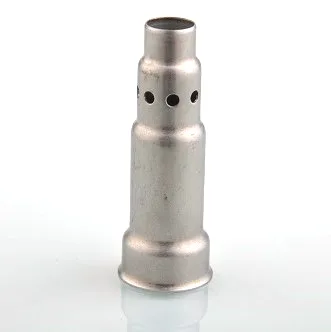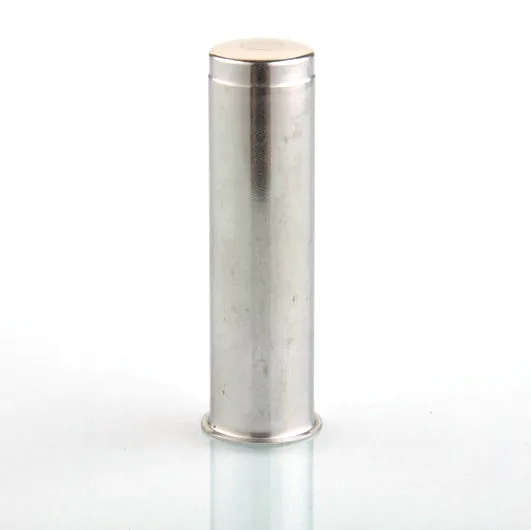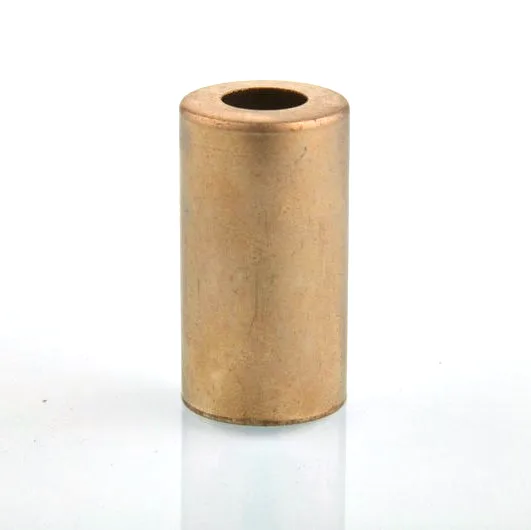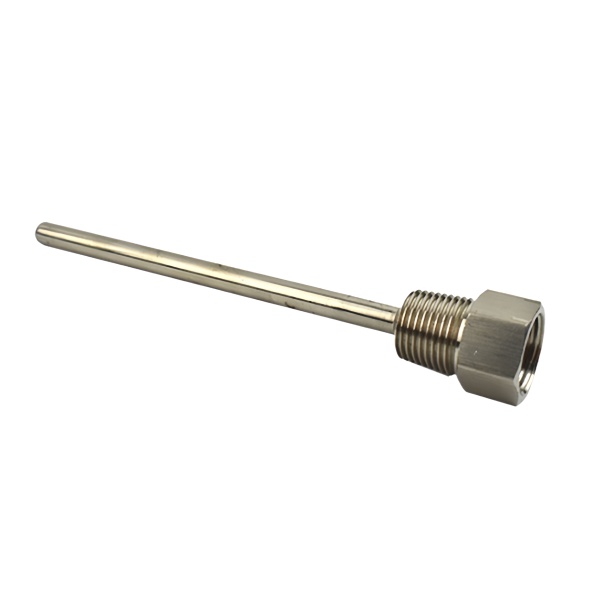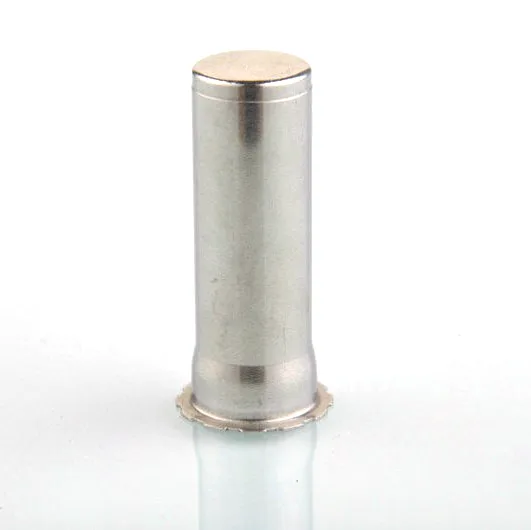
Produced in stainless steel by Aunov Tech, the Oxygen sensor enclosure is formed and machined on the same floor. In operation, the sensor housing carries the active element while passing the signal through a sealed exit. Drawing, cutting and measurement sit on one floor, so the approved sample defines every later batch without re-quoting the job elsewhere.
Product overview
The specification of this metal sensor turns on, the formed envelope, flatness and hole location, all held to the drawing and verified at first article.
Die building, pressing and machining for this metal sensor are all in house, so a drawing change is absorbed in one step, and nothing about the route depends on a third party.
How it is manufactured
Every metal sensor follows the same routed path: Drawing runs from flat blank to finished envelope in one controlled sequence; after drawing, critical faces are machined and the part is degreased and gauged.
What makes a oxygen sensor enclosure hard is repeatability – the hundredth piece has to match the first one. That is why the oxygen sensor enclosure is inspected between operations, not only at the end.
Materials and finishing
Everything is drawn from a fixed stock list: carbon steel SPCC / DC01, 304 and 316 stainless, aluminium, brass and copper and the grade agreed for this metal sensor is carbon steel or stainless.
With the working face exposed, the finish is selected for cleanliness: plating, anodising, powder coating, electrophoresis and passivation. It is fixed on the drawing for this metal sensor, so repeat orders never reopen the question.
Repeat orders are gauged back to the approved first article, so nothing changes silently between orders.
Quality control and inspection
Quality management is certified to ISO 9001: stock arrivals are checked against mill certificates, first articles are measured on a CMM, and routine sampling keeps batches aligned with the first article. Thread class and sealing faces of the oxygen sensor enclosure are verified on every run. Torque, leak and pressure tests are available where the assembly needs them, with certificates included in the shipment file.
Applications
This metal sensor is used in thermal sensing and appliance control assemblies for OEM and Tier-1 customers.
One drawing for this metal sensor is commonly applied to several programmes, so the specification is set by the toughest of them, and no re-tooling is needed.
Specifications
| Item | Oxygen sensor enclosure |
|---|---|
| Brand | AUNOV |
| Designing | Your drawing sets the part – a manufacturability review comes back with the quotation; revisions are re-quoted once rather than silently absorbed. |
| Tooling | Dies, fixtures and gauges are made in our own toolroom, so a die can be re-cut against the approved drawing, and ownership is confirmed on the quotation. |
| Samples | Sample parts are measured and reported before submission, so any deviation is corrected at sample stage, and the signed sample is kept for future reorders. |
| Materials | Carbon steel (SPCC / DC01), 304 / 316 stainless, aluminium and brass are held on site; mill certificates and heat numbers accompany the first article. |
| Surface finish | Plating, coating or polishing to suit the drawing; alternatives quoted with the quotation, samples approved in writing. |
| Processing | Deep drawing followed by CNC finishing on critical faces; first articles verify the whole flow before the run is released. |
| Equipment | Deep drawing presses plus CNC turning centres for machined faces, backed by CNC turning centres and a climate-controlled inspection room. |
| Tolerance | +/-0.02 mm on machined seats, sealing faces flat to drawing; capability is checked on the first article before the run continues. |
| Delivery terms | FOB, with DDP offered for EU and US addresses, T/T with deposit and L/C for larger runs; call-off schedules are supported. |
Also known as: oxygen sensor cabinets — same part, same tooling, only the drawing reference differs.