
Deep drawn stainless steel trays, sterilization cases, analyzer liners and instrument housings for medical and laboratory use — seamless, crevice-free and made to survive thousands of autoclave cycles.
Medical metal parts live in a world a normal enclosure never sees. They are sterilized again and again, wiped down with aggressive chemistry, and handled in environments where a hidden crevice or a rough surface is a place for contamination to hide. A welded or multi-piece tray puts joints and corners exactly where cleaning struggles. Deep drawing produces a single, seamless shell with smooth radii and no weld seam — the shape a sterilization cycle and a cleaning crew both prefer.
We draw instrument trays, sterilization cases, analyzer liner cups and the housings around medical electronics in stainless steel 304, 316 and 316L, and in nickel-plated steel where the application calls for it. The press gives us generous corner radii and a consistent wall, and we finish the surface so it cleans easily and holds up to steam, ethylene oxide or gamma without pitting or roughening.
How We Draw for Medical & Healthcare
Smooth radii and clean corners. A tray that has to be wiped and autoclaved cannot have sharp internal corners where soil collects. We form generous radii and blend the base-to-wall transition so the part cleans out fully — a geometry the die sets directly.
Consistent wall, no thin spots. Medical trays and cases are thin-shell parts; a thin or work-hardened spot shows up as a buckle after repeated sterilization. We control the draw and the wall so the shell stays uniform cycle after cycle, and we report wall thickness against the position marked on the drawing — ±0.05 mm after ironing, ±0.02 mm on fine-drawn walls.
Clean handling. Parts that will touch a clinical environment are handled and packed to stay clean — no cross-contamination from shop oils or tooling. We can sequence a cleaning and passivation step so the part ships ready for sterile processing.
Medical Parts We Make
Instrument and sterilization trays, analyzer liner cups, medical battery housings and the stainless steel containers and cups that serve clinical and laboratory work — drawn seamless, in stainless steel and nickel-plated steel.
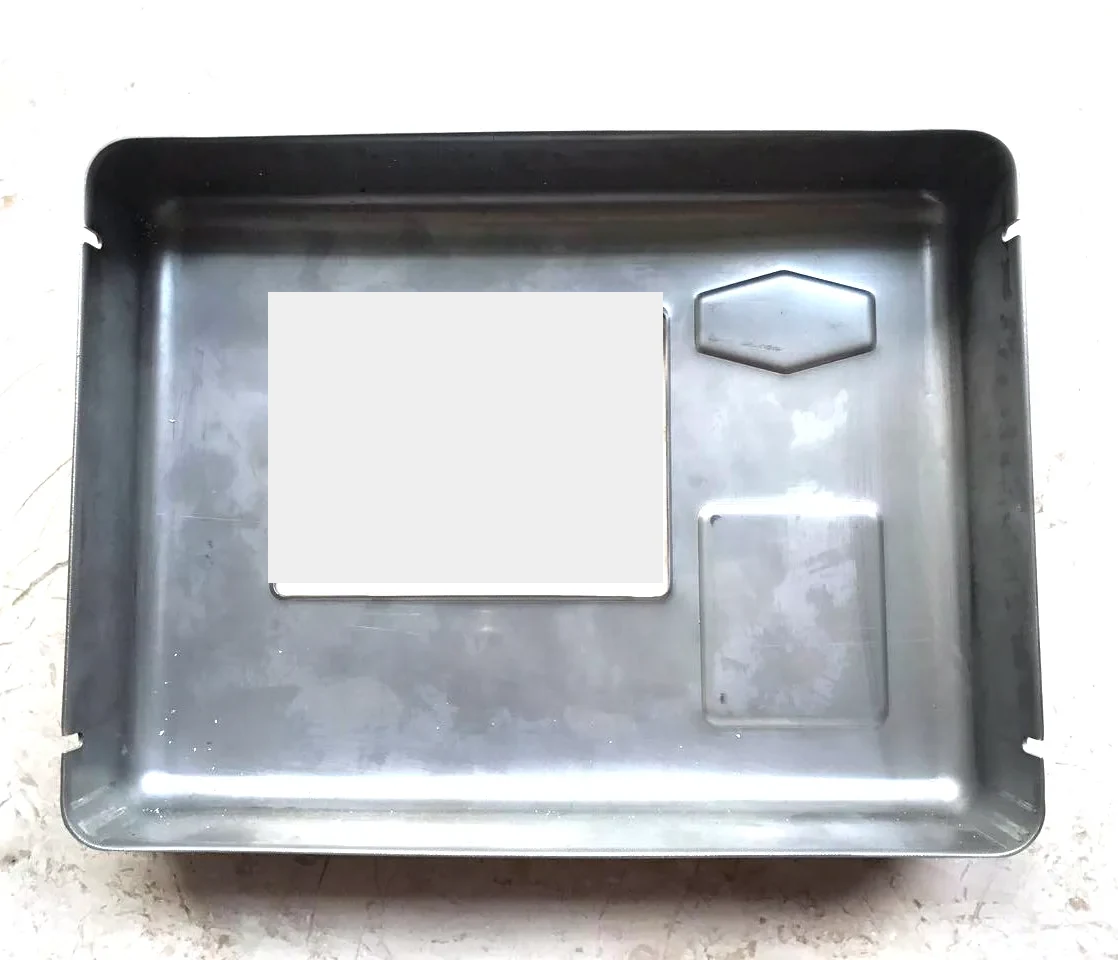 Deep Drawn Instrument Tray with Label WindowView details →
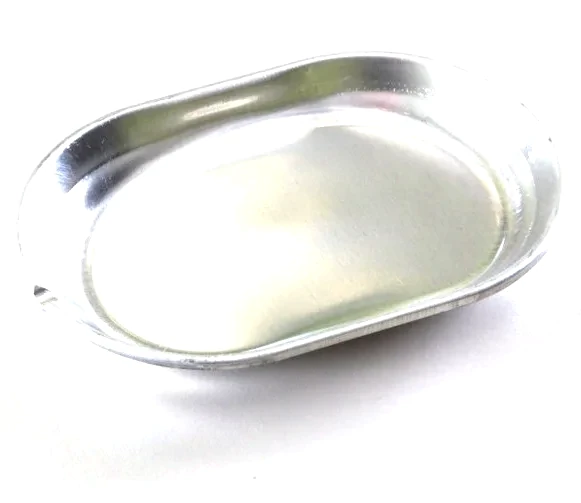 Stainless Steel Sterilization Tray, Deep DrawnView details →
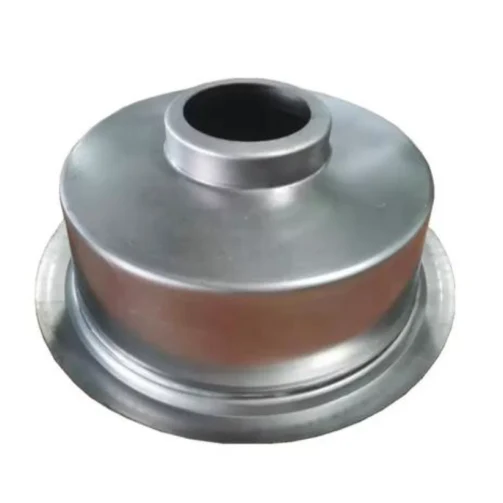 Drawn Analyzer Liner Cups, Nickel-PlatedView details →
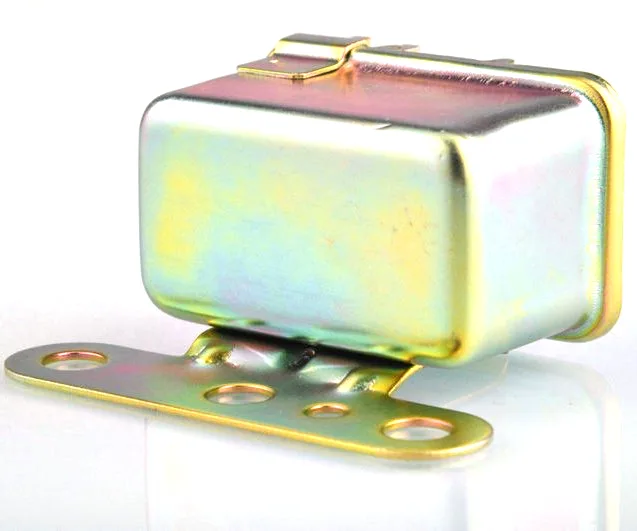 Drawn Medical Battery Housing with Base FlangeView details →
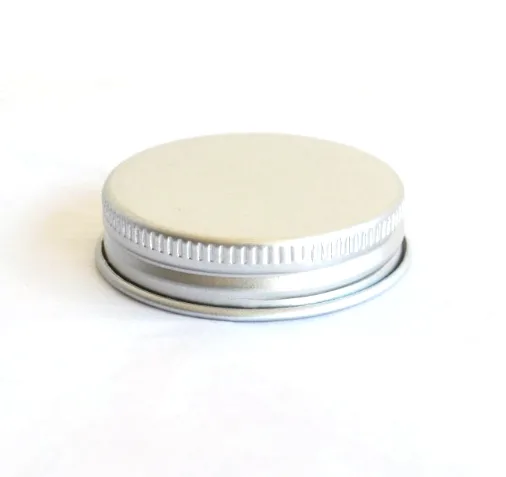 Knurled Edge Stainless Steel Drawn LidView details →
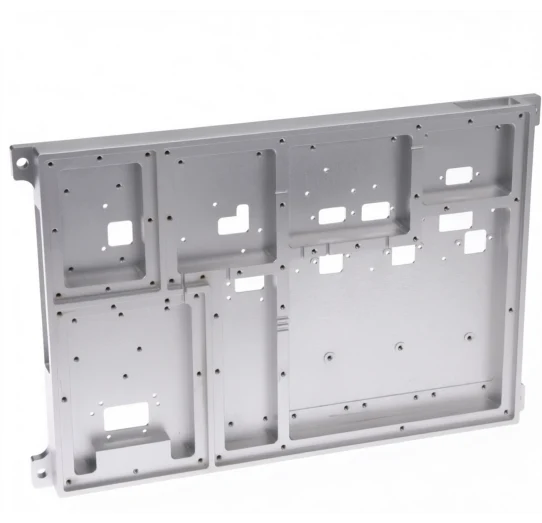 Stainless Steel Deep Drawn Square CoverView details →
Materials for Medical Applications
Stainless steel 304. The workhorse for trays, cases and general instrument housings — formable, cleanable and corrosion resistant to the cleaning chemistry a tray sees every cycle.
Stainless steel 316 and 316L. Where the part sees salt, chloride or repeated aggressive sterilization, 316 and the low-carbon 316L resist pitting and stay stable weld after weld. We draw the full grade, never a bare abbreviation.
Nickel-plated steel. For analyzer liner cups and similar parts that combine corrosion resistance with a smooth, non-reactive surface, nickel plating over drawn steel gives a clean, consistent interior.
Surface Finish, Cleanability and Sterilization
A medical part is only as clean as its surface. As drawn, a shell leaves the press at Ra 1.6–3.2 µm; electropolishing takes that down to 0.1–0.8 µm, and where your cleaning validation calls for it we hold Ra ≤ 0.4 µm and report the measured value per batch. We form generous radii so there is no sharp internal corner for contamination to hide in, and the finish is documented, not assumed.
The finished part has to survive the sterilization method you use — steam autoclave, ethylene oxide or gamma. Stainless steel trays hold up to thousands of autoclave cycles without pitting, and passivation restores the protective chromium oxide after forming so the surface stays inert. We match the material, finish and passivation to your sterilization route so the part is still clean after cycle five hundred. Sterilization itself is validated to your specification, not to a generic claim: we work from the temperature, hold time and cycle count in your validation protocol and confirm the tray against it, then document the result with the certificate package.
Traceability and Documentation
Medical buyers work inside a quality system, and the metal has to fit it. We hold material traceability back to the coil and lot, keep in-process records on wall thickness and dimensions, and can supply material certificates and first-article documentation on request. If your program needs a specific record set, tell us early and we build it into the run.
Frequently Asked Questions
Are your drawn medical parts biocompatible?
We draw medical parts in stainless steel 304, 316 and 316L and in nickel-plated steel — the same alloy families used for instrument-grade and device-grade hardware. Whether a specific part is biocompatible depends on the grade, finish and its contact, which we confirm against your spec.
Will a drawn tray survive repeated autoclave cycles?
Yes. Stainless steel trays drawn seamless, with controlled wall and passivated after forming, hold up to thousands of steam cycles without pitting or warping. The absence of a weld seam removes the joint that usually fails first under repeated thermal cycling.
What surface finish can you hold on a medical tray?
We control surface roughness to a specified Ra and can electropolish where the part demands it. The press also gives us smooth, generous corner radii, so the shell cleans out without traps — tell us the Ra or finish your cleaning validation needs.
Why is a seamless drawn tray better than a welded one?
A welded tray carries a seam and corner joints that are harder to clean and are the first place corrosion starts under repeated sterilization. A drawn tray is one piece with blended radii, so there is no seam to fail and no crevice to trap soil.
Do you passivate the parts?
On request, yes. Passivation restores the protective chromium-oxide layer after forming so the stainless steel surface stays inert and corrosion resistant through cleaning and sterilization. We match the passivation to the grade and can document it.
Can you supply material certificates and lot traceability?
Yes. We trace material back to the coil and lot, hold in-process dimensional records, and can supply material certificates and first-article documentation so the part drops into your medical quality system.
Explore More
See how we draw for other industries: battery & energy storage · defense & optics · sensor & probe housings · industrial enclosures. Back to all deep drawn parts, or read about material sourcing and quality control.
Drawing a medical or lab part? Send us the drawing.