
Flat blanks, brackets, shields, covers and formed components stamped to print — progressive, transfer and single-stage dies, all tooled and run in our own shop. For parts that are hollow instead of flat, compare the options in our stamping vs deep drawing vs die casting guide.
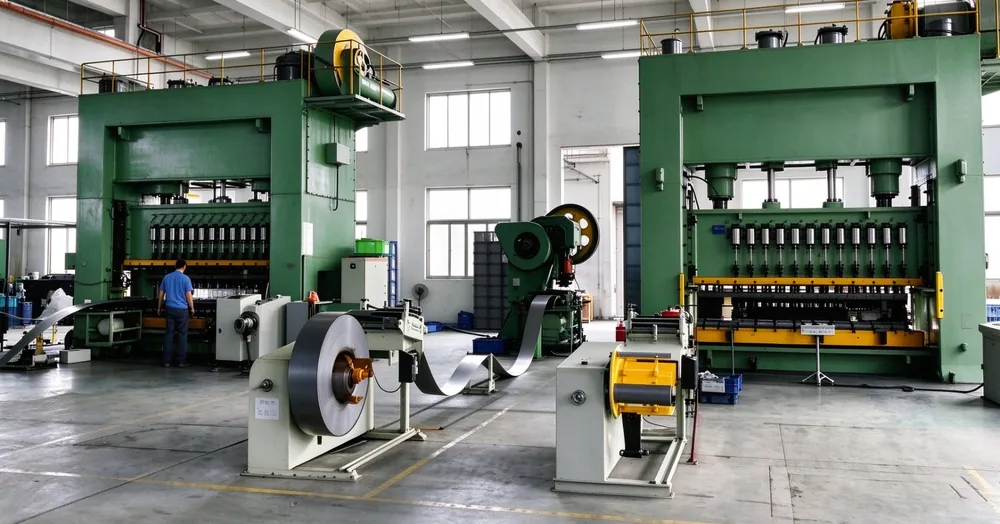
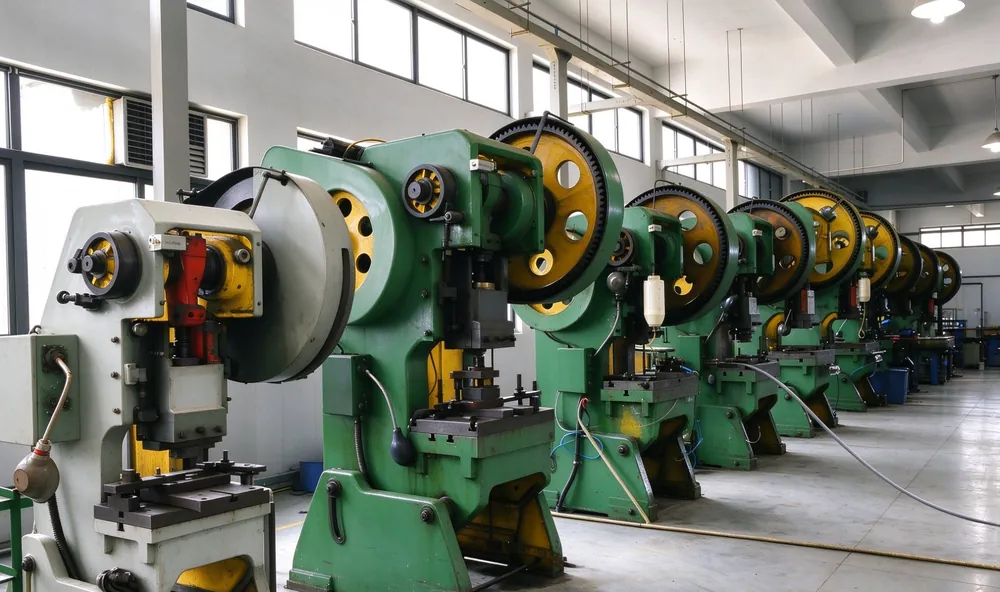
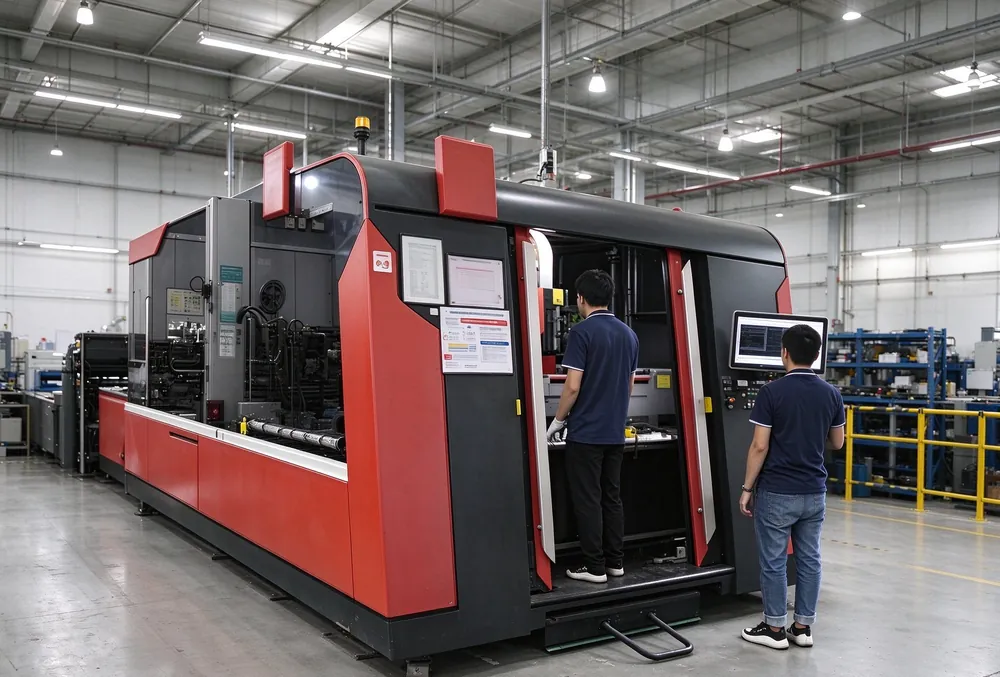
Aunov runs custom metal stamping lines for customers who need more than a catalog part. Send us a STEP or DWG file and we engineer the die, prove out the process and produce the part on press lines from 5 to 250 tonnes — with every downstream step (deburring, tapping, welding, plating-ready finishing, inspection and packing) handled inside the same factory. One supplier, one quality system, one accountable team from coil to carton.
How We Stamp
Need custom stamped parts? Send your drawing – quotation within 24 hours.
Custom Metal Stamping Parts
-
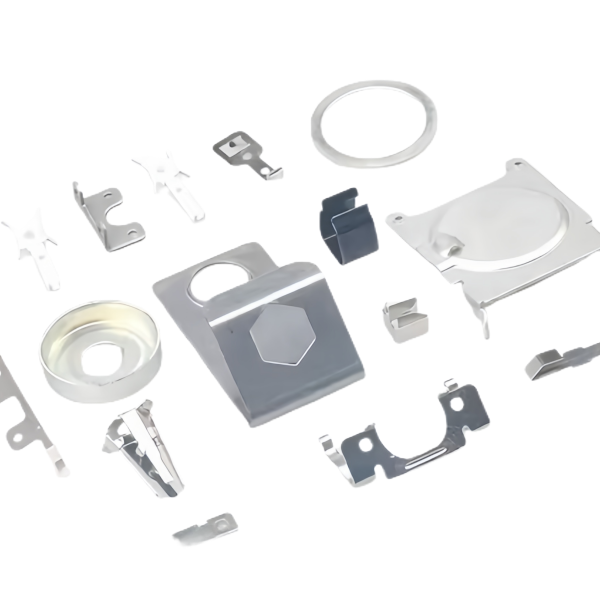
Assorted Small Stamped Brackets Clips and Washers
-
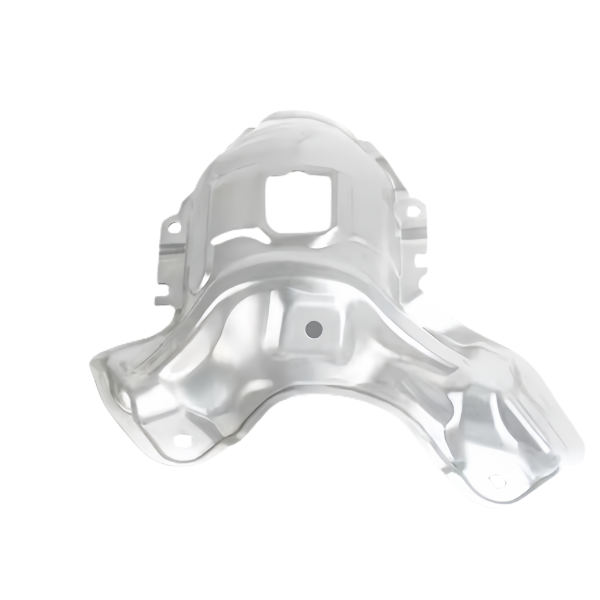
Stainless Steel Deep Drawn Curved Cover Shell
-
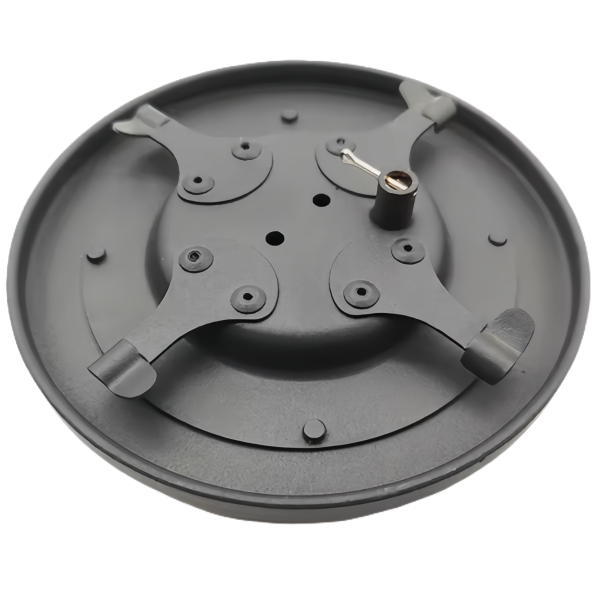
Steel Deep Drawn Round Cover with Mounting Clips
-
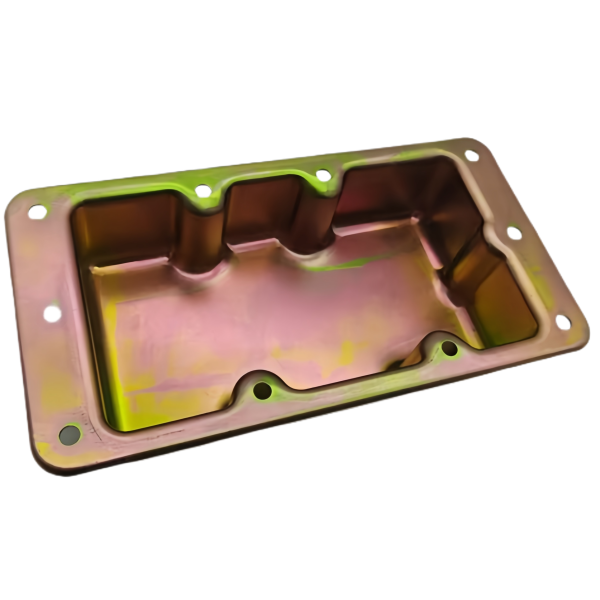
Steel Deep Drawn Rectangular Tray with Mounting Flanges
-
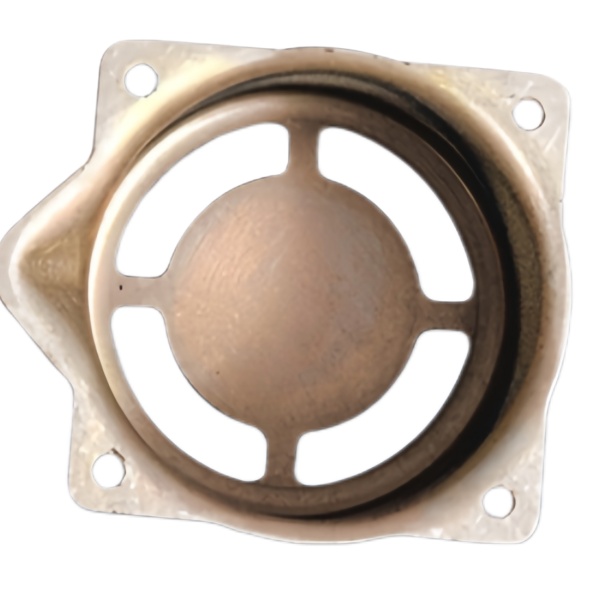
Steel Deep Drawn Square Flanged Cover with Web
-
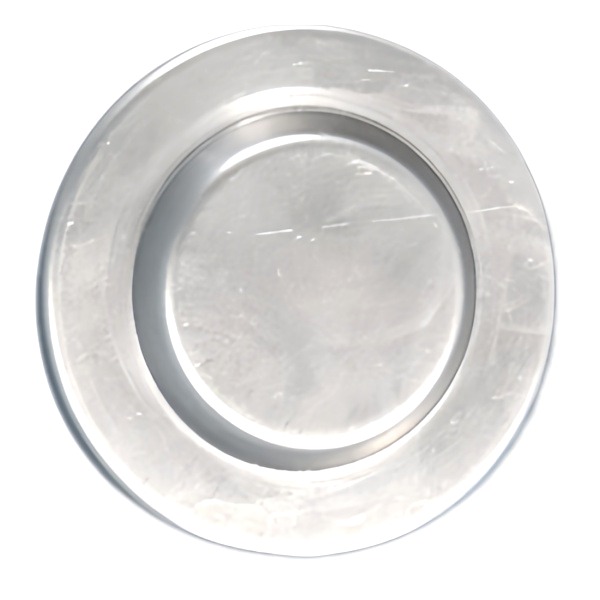
Aluminum Deep Drawn Round Pan Blank
-
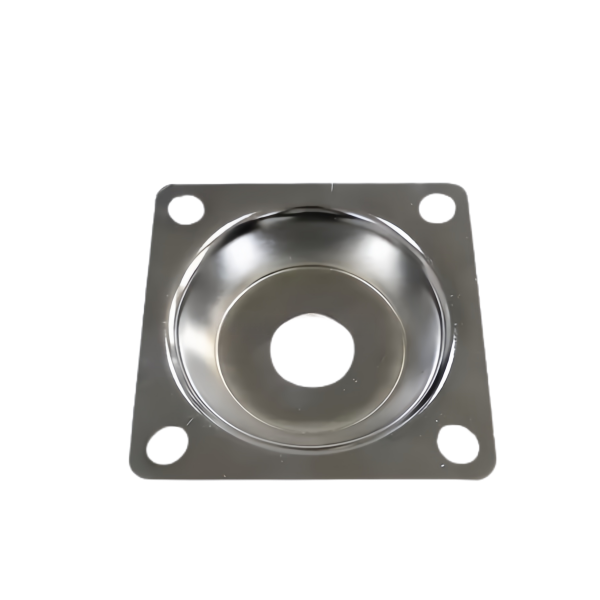
Stainless Steel Deep Drawn Square Dish with Center Hole
-
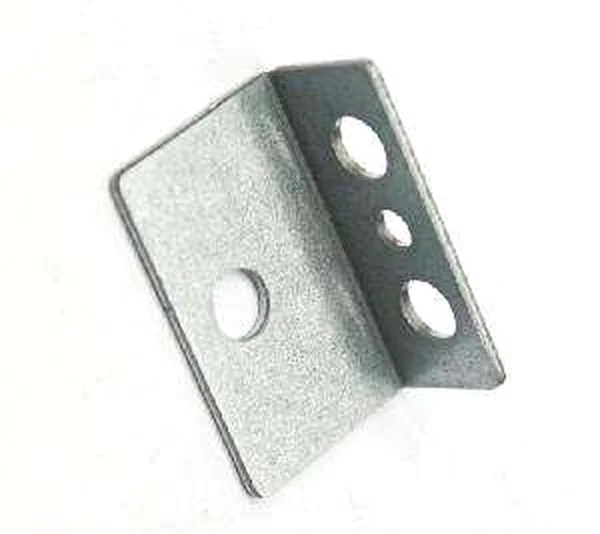
Stamped Triangular Gusset Angle Bracket
-
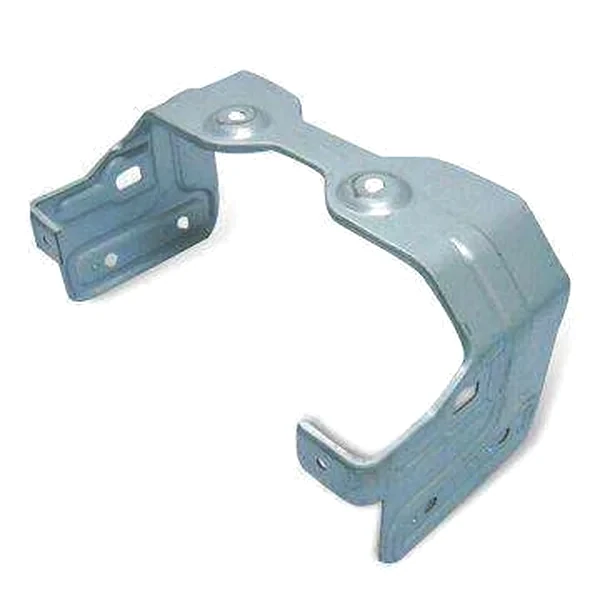
Stamped U-Shaped Clamp Bracket Galvanized Steel
-
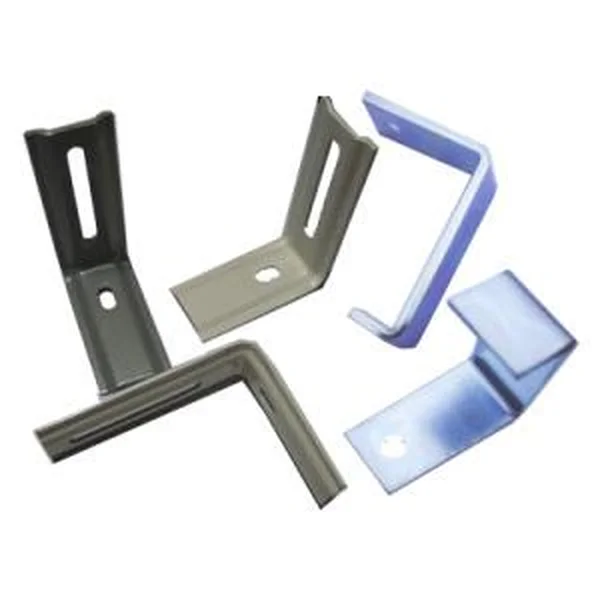
Zinc Plated Stamped L Angle Brackets
-
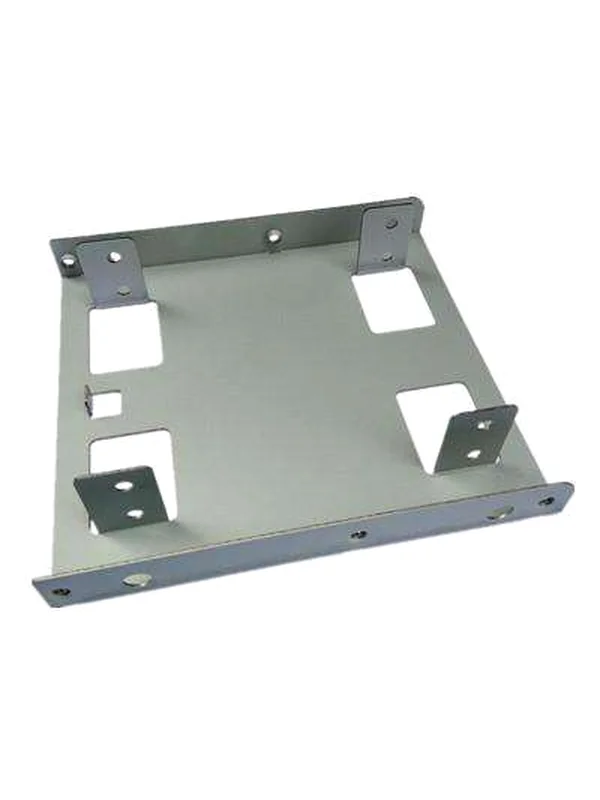
Stamped Sheet Metal Frame Corner Connector
-
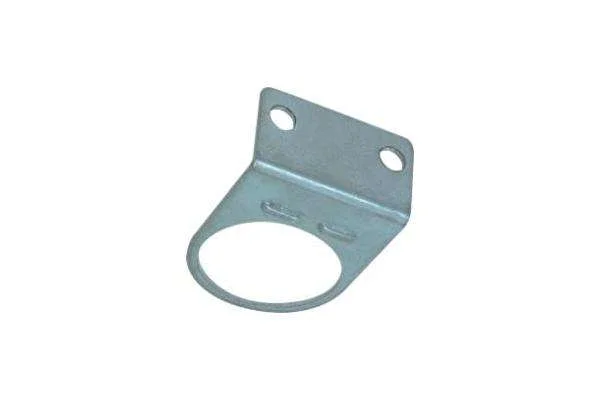
Galvanized Stamped Angle Bracket with Circular Cutout
-
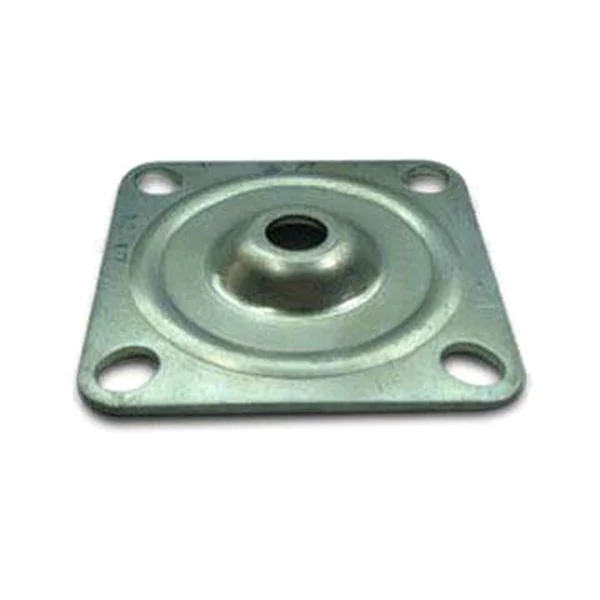
Deep Drawn Square Cover with Flanged Rim Zinc Plated
-
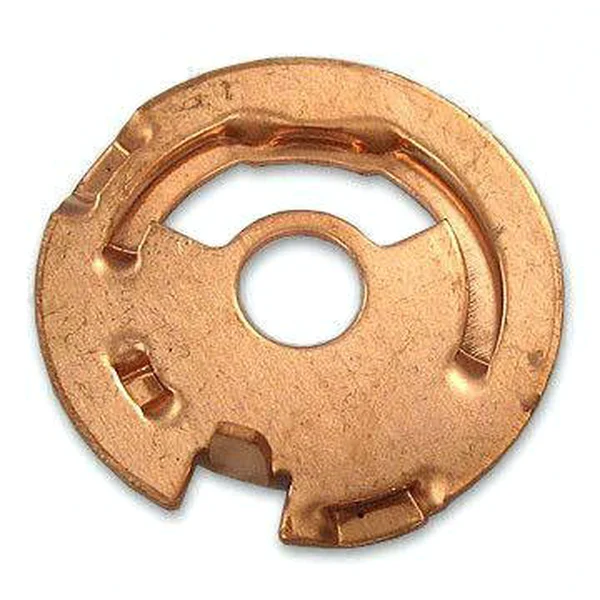
Copper Coated Clutch Backing Plate Stamping
-
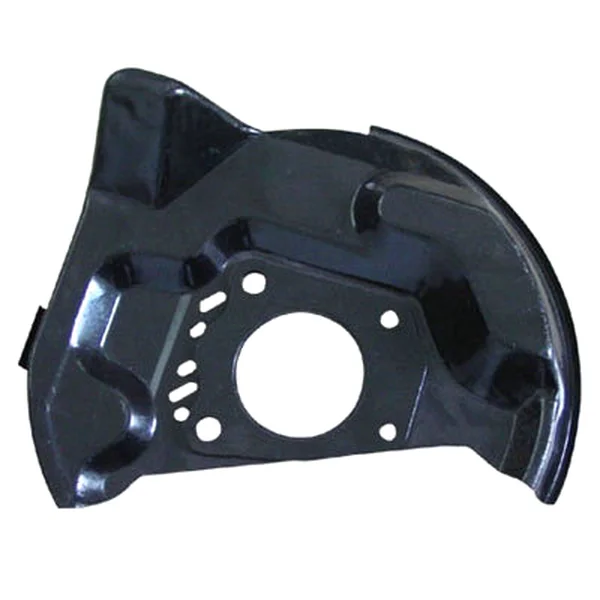
Stamped Automotive Seat Side Bracket with Large Bore
-
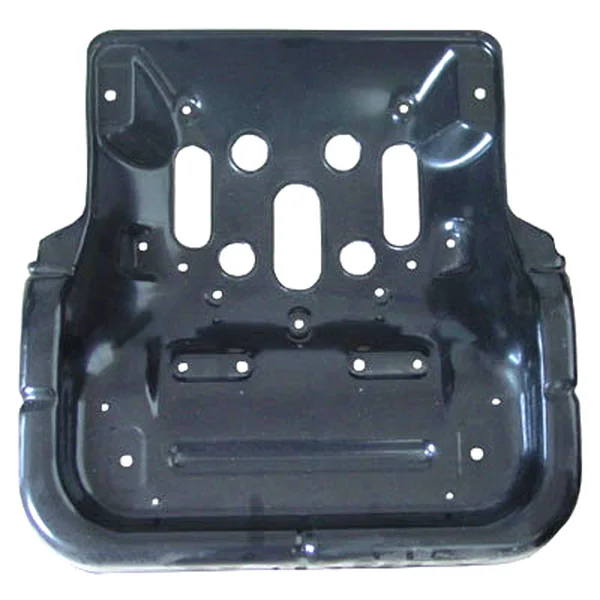
Deep Drawn Automotive Seat Stamping Component
-
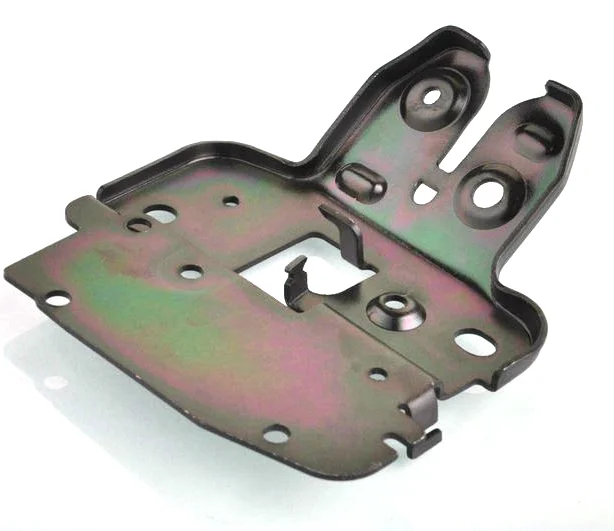
Automotive Seat Stamped Mounting Plate
-
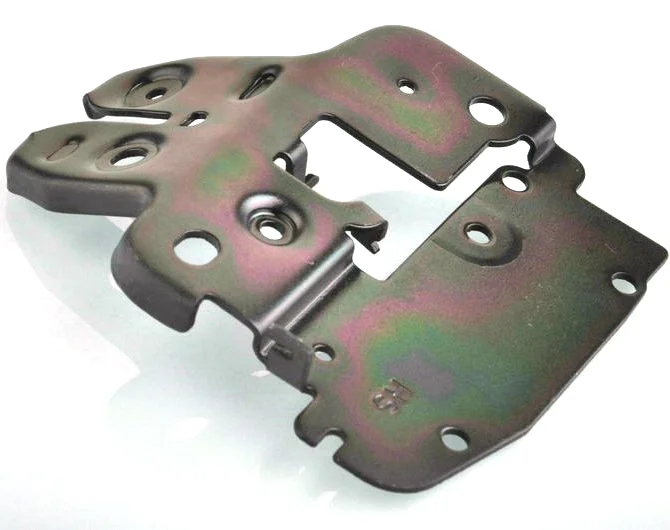
Automotive Chassis Stamped Mounting Bracket
-
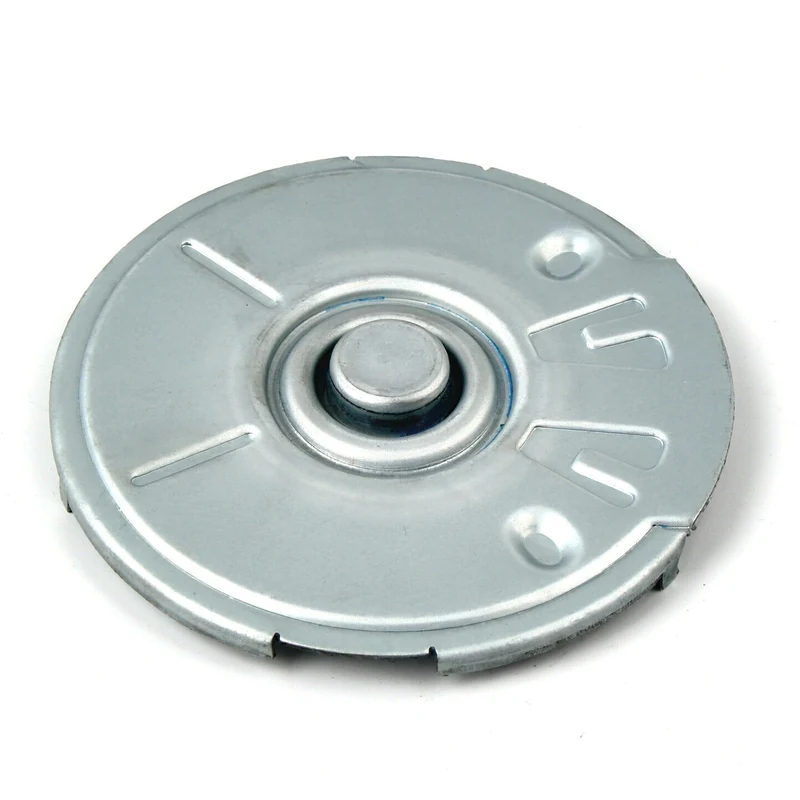
Stamped Steel Shallow Drawn Motor Cover
-
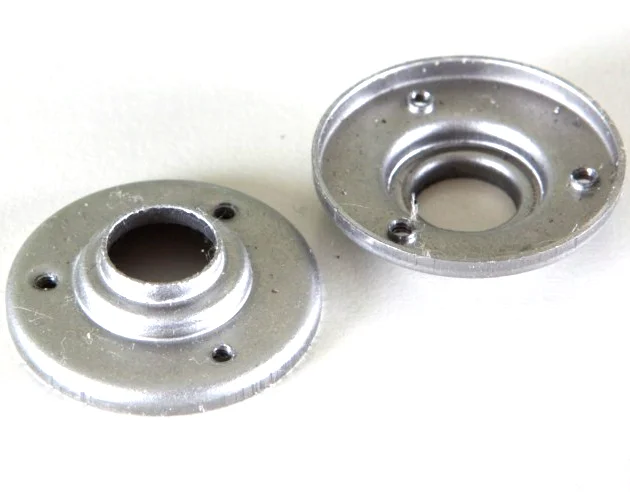
Custom Spun Metal Flanged Ring Bearing Seat
-
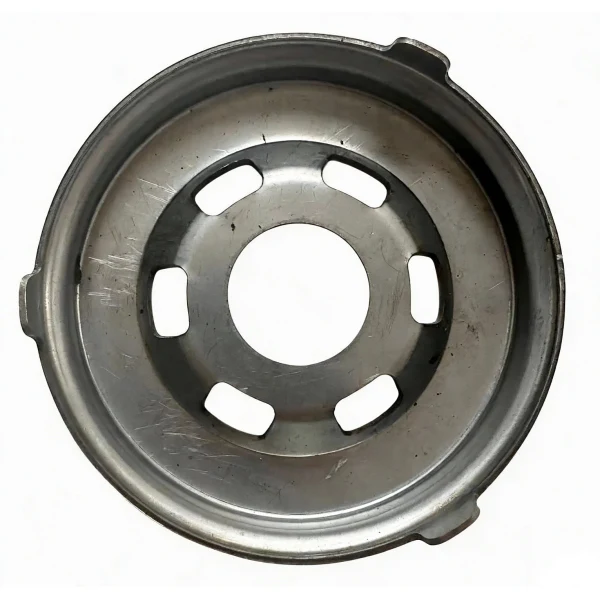
Deep Drawn Circular Motor End Cap Stamping
-
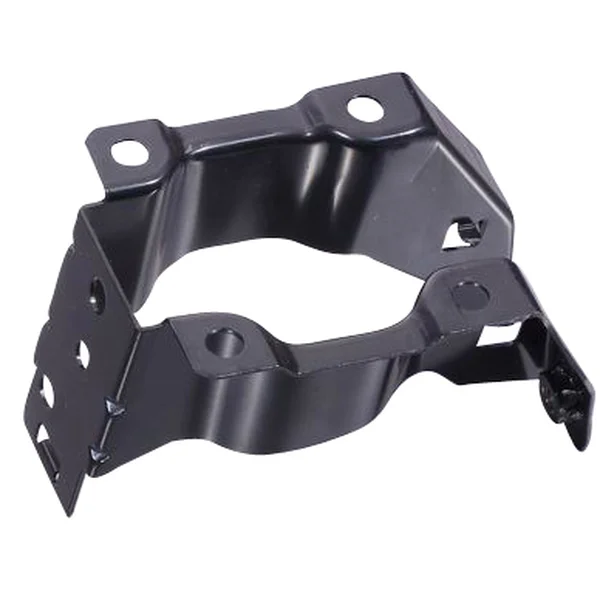
Progressive Die Stamped Formed Bracket for Automotive
-
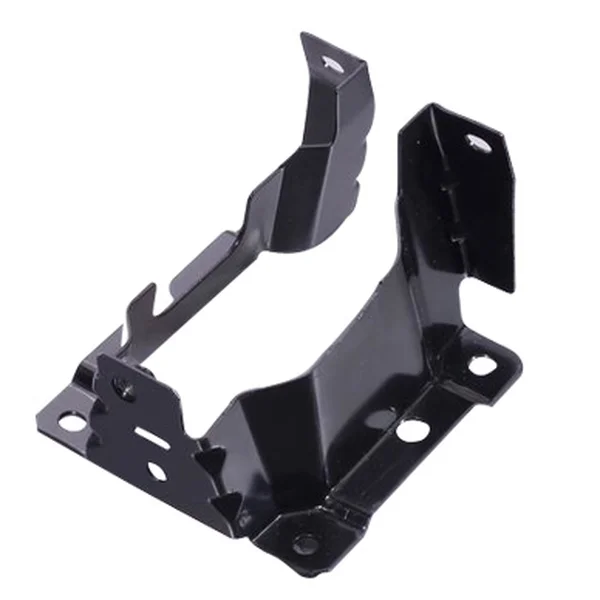
Custom Bent Sheet Metal Stamping Bracket
-
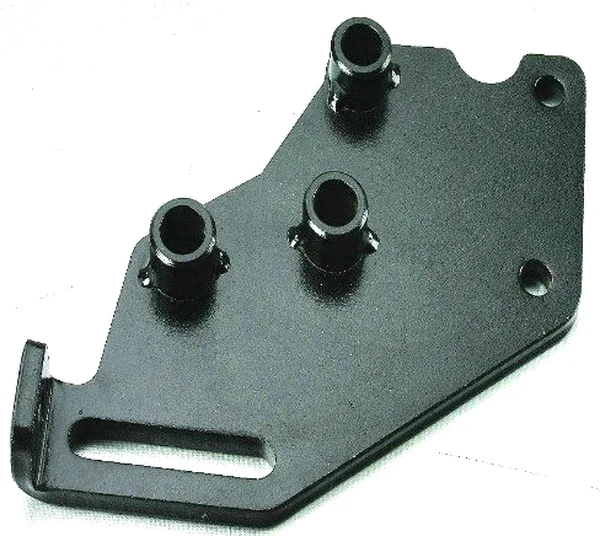
Multi-Hole Stamped Bracket with Locating Bosses
What Is Custom Metal Stamping?
Custom metal stamping shapes flat coil or sheet stock into finished parts by pressing it between a matched die and punch. Unlike deep drawing, which pulls material into a cup or shell, stamping shears, bends, and forms the flat blank in place. For a precision parts maker the two processes sit side by side: deep drawn parts for enclosed shells, stamping for brackets, clips, shields, and terminated terminals.
Stamping is chosen when the part is essentially two-dimensional—flat with bends or cut-outs—and volume is high enough to amortize tooling. It delivers cycle times under a second and per-part cost measured in cents.
Stamping vs. Deep Drawing: Which to Choose?
| Factor | Stamping | Deep drawing |
|---|---|---|
| Part shape | Flat, bent, pierced | Cups, shells, enclosures |
| Wall / section | Uniform sheet thickness | Thinning controlled by draw |
| Best volume | 10k–millions | 1k–hundreds of k |
| Tooling cost | Higher (compound/die set) | Lower for simple shells |
Full detail is in our deep drawing vs. conventional stamping guide on the precision deep drawn parts page.
Progressive, Transfer & Compound Dies
We run three die styles depending on geometry and volume:
- Progressive dies — the strip moves station-by-station, gaining a feature at each hit; ideal for high-volume, tight-tolerance parts.
- Transfer dies — the part is cut free and moved between stations, allowing larger or 3-D formed shapes.
- Compound dies — one stroke cuts and forms simultaneously for simpler, very fast parts.
Materials We Stamp
Most stamping is done in cold-rolled steel, stainless steel (304 / 316), aluminum, and brass. Spring steel and copper alloys are used for contacts and terminals. Our material selection reference covers drawability if the part later moves to a drawn form.
| Material | Typical stamped part |
|---|---|
| 304 / 316 stainless steel | Brackets, shields, | corrosion-duty clips |
| Aluminum 5052 / 6061 | Lightweight mounting brackets |
| Brass / copper | Electrical terminals and contacts |
Tolerances, Springback & Flatness
Stamped parts live or die on flatness and bend angle. We control:
- Hole position: ±0.05 mm on progressive tooling.
- Bend angle: held to ±0.5° with over-bend compensation for springback.
- Flatness: achieved by restrike or leveling stations; coining tightens thickness.
Springback is the enemy of a good bend. We model it from the material’s yield and compensate the punch angle so the freed part lands on target.
Secondary Operations
Stampings rarely ship as-pressed. Common follow-ons we provide: deburring, tapping, welding (resistance / laser), plating or powder coat, and assembly. For machined features on a stamped base, see our CNC-machined motor end bracket as an example of a hybrid part.
Frequently Asked Questions
When should I choose stamping over deep drawing?
Choose stamping when the part is flat or lightly formed with holes and bends, and you need very high volume at low unit cost. Choose deep drawing when you need a seamless enclosed shell or tube. Our comparison guide helps decide.
What is the minimum order for custom stamping?
Because tooling is the main cost, stamping pays off from roughly 10,000 pieces upward. Below that, a CNC or drawn route is often cheaper once you include tooling.
How do you control springback?
We over-bend the punch by an amount derived from the material’s yield strength and thickness, then verify the relaxed angle on a CMM. Restrike stations tighten it further if needed.
Can you stamp stainless steel?
Yes—304 and 316 stainless steel are routine. Work hardening means we plan the number of forming hits and may anneal between stages for complex parts.
Do you provide the die or just the parts?
We design and build the tooling in-house and retain it for your repeat orders. You pay a one-time tooling charge and then per-part pricing on reorders.
Related Deep Drawing Resources
Die Design: Progressive, Transfer & Compound
The die is where stamping cost and quality are decided. We design and build dies in-house so tooling lead time and revisions stay under our control rather than a third party’s queue.
Progressive dies
A strip feeds through stations, each adding a cut, form, or pierce, until the part drops complete at the last station. Best for high-volume, small-to-medium parts where per-piece cost must be minimal. Tooling is more expensive up front but amortizes over the run.
Transfer dies
The part is cut from the strip early, then a mechanical or vacuum transfer moves it between stations. Used for larger parts or when features on multiple sides need separate presses. Slower than progressive but handles bigger footprints.
Compound dies
One stroke performs multiple cuts (blank + pierce) in a single hit. Highest accuracy for blank profile and hole position because both are cut at once, but limited to simpler geometries.
Blank Development & Material Utilization
Before any tool is cut, we develop the flat blank from your 3D model, then nest it on the coil or sheet to maximize yield. A 2% improvement in nest utilization saves more over a million-piece run than almost any press-speed tweak.
| Material thickness | Typical nest yield | Note |
|---|---|---|
| 0.5 mm | 82–90% | High yield, strips bridge easily |
| 1.0 mm | 75–85% | Bridge width grows with thickness |
| 2.0 mm | 68–80% | Scrap bridges need careful design |
Press Selection & Tonnage
We match the press to the blank perimeter and material strength. Tonnage is estimated from cut length × thickness × shear strength, then a safety margin is added. Running too close to press capacity accelerates tool wear and shortens die life.
- Mechanical presses for high-speed progressive work (up to several hundred strokes/min).
- Hydraulic presses for deep or form-heavy stations needing a controlled ram curve.
- servo presses where the motion profile itself is part of the forming quality.
Tolerance Tables by Thickness
| Dimension type | 0.5 mm stock | 1.0 mm stock | 2.0 mm stock |
|---|---|---|---|
| Hole diameter | ±0.05 | ±0.08 | ±0.10 |
| Blank profile | ±0.08 | ±0.10 | ±0.15 |
| Flatness (per 100 mm) | 0.15 | 0.25 | 0.40 |
Springback means bend angles need tune-up in the die; we cut the first articles, measure, and adjust the punch to hit nominal at production rate, not at single-hit speed.
Surface Treatment & Finishing
- Zinc, zinc-nickel, and trivalent passivate for corrosion protection.
- Electroless nickel for wear and chemical resistance.
- Powder coat and e-coat for painted structural parts.
- Deburr and tumble for parts that stack or mate to seals.
Cost Model: Where the Money Goes
For a stamped part, unit price is mostly tooling amortization plus material plus press time. A common mistake is over-specifying tolerances, which forces slower presses and more inspection. We often propose relaxing non-critical dims to cut unit cost 10–20% with zero functional impact.
Stamping vs. Machining vs. Casting
CNC machining wins for prototypes and low volume but is slow and wastes material at scale. Casting suits complex 3D shapes but has lower dimensional repeatability and rougher surfaces. Stamping is the volume champion for flat and lightly-formed parts. When the shape closes into a cup, deep drawing takes over — see our comparison on the deep drawn parts page.
Industries We Stamping For
- Automotive: brackets, shields, terminals, motor laminations.
- Electrical: contact springs, EMI cans, heat sinks.
- Appliance: structural frames, hinge plates, panels.
- Industrial: washer plates, gaskets, mounting flanges.
Quality: SPC & Cpk
We run statistical process control on critical characteristics and report Cpk. For automotive runs under IATF 16949 we issue PPAP and maintain a control plan. Go/no-go gauges at the press catch drift before a bad lot builds up.
Design for Stamping (DFM)
- Hole diameter ≥ 1.0× material thickness; slot width ≥ 1.2× thickness.
- Distance from hole edge to cut edge ≥ 1.5× thickness to avoid distortion.
- Bend radius ≥ 1.0× thickness for steel; more for aluminum.
- Keep symmetric forms so the strip doesn’t twist in the die.
- Add pilots and locating features so stations register repeatably.
Advanced Stamping Questions
What is the minimum order for a progressive die?
Because tooling cost is fixed, progressive dies make sense above roughly 5,000 pieces. Below that, we use soft tooling or a compound die to keep the quote sane.
Can you stamp stainless steel at volume?
Yes. 304 and 316L stainless steel stamp well with the right die clearance and lube; galling is managed by tool coating and strip lubrication. We treat stainless steel as a standard material, not a specialty.
How do you hold tight flatness on a large stamped part?
By sequencing the forming, adding a flattening station, and where needed a restrike. For critical parts we temper-relieve before final flatten to remove residual springback.
Do you stock standard stamped shapes?
We make to print rather than sell catalog parts, but we keep reusable die bases that shorten lead time on common bracket and washer families.
Can stamping and deep drawing be combined in one part?
Frequently. A part may be deep drawn into a cup and then progressive-formed at the flange in a later operation, or drawn on one press and stamped on another in a linked cell.
Material Selection for Stamping
| Material | Why | Watch-out |
|---|---|---|
| SPCC / mild steel | Cheap, formable | Rusts; needs coating |
| 304 stainless steel | Corrosion resistant | Work-hardens, galls |
| 316L stainless steel | Higher corrosion resistance | Higher cost |
| Aluminum 5052/6061 | Light | Springback differs from steel |
| Brass / copper | Conductive | Soft, needs support |
We always record the full grade — 304 stainless steel, 316L stainless steel, and so on — on the drawing and the inspection report.
Defects & Prevention in Stamping
- Burr: controlled by die clearance and sharpening schedule.
- Springback: compensated by over-bend and restrike.
- Surface scratch: managed by strip lubrication and clean dies.
- Twist: avoided by symmetric part layout and pilots.
Tooling Lead Time & Life
Progressive dies take longer to build than compound dies but run for millions of strokes. We track die life by hit count and schedule maintenance before wear affects the part, so you never see a slow drift.
Nesting & Scrap Reduction
Beyond simple yield, we consider bridge width, scrap skeleton reuse, and coil vs. sheet. On some programs a small change to the blank outline saves more material cost than any press optimization.
Automation & In-Cell Operations
For higher volumes we link the press to downstream operations — deburr, weld, or assemble — in one cell, reducing handling and the chance of mixed lots.
Quoting a Stamped Part
Send the 2D drawing with tolerances, annual volume, material, and any finish. The single biggest cost lever is the tooling type, which follows from volume, so state the band honestly.
More Stamping Questions
Can you stamp very thin stainless steel?
Yes to about 0.15 mm with the right clearance and a clean, well-lubricated die; below that we discuss the part geometry.
What finish can stamped parts have?
From bare (deburred only) through zinc, zinc-nickel, electroless nickel, e-coat, and powder coat, depending on corrosion and appearance needs.
How do you handle a part that must be both stamped and welded?
We design the stamping so the weld joint is accessible and flat, then weld in a downstream station, often in the same cell to protect tolerances.
Can you make a progressive die from my sample part?
Often. Send the sample; we reverse-engineer the blank and propose a die sequence, then cut tooling once you approve.
What about ITAR or export-controlled work?
Tell us the control status up front; we handle controlled programs with the required documentation and access controls.
Worked Example: Designing a Stamped Bracket
Suppose you need a 1.5 mm thick steel mounting bracket with two holes and a 90° bend. We would: choose a progressive die because the volume is high; lay the blank so the bend is across the grain for less springback; set hole-to-edge distance at 3× thickness to avoid distortion; and add a flatten station after the bend to hit flatness. The result is a part that needs no secondary machining.
Understanding Press Tonnage
Tonnage is the force to shear the blank plus the force to form. We estimate it from cut length × thickness × material shear strength, then add margin. Running near the limit wears the press and the die, so we size the press with headroom. For form-heavy parts a hydraulic press gives a controllable ram curve that reduces cracking.
Reading a Cpk Report
Cpk tells you whether the process stays inside the tolerance band over time. A Cpk of 1.33 means the spread is small enough that even with normal variation the parts rarely touch the limit. We report Cpk on the characteristics you mark critical, and we keep the data with the lot so your incoming inspection can verify against the same numbers.
Cost Levers, Ranked
- Volume: highest impact — drives tooling type and amortization.
- Tolerances: looser non-critical dims cut press speed needs and inspection.
- Material: standard grades and coil stock cost less than special tempers.
- Finish: only specify what the function needs.
- Geometry: symmetric, pierce-friendly shapes nest and run better.
From Sample to Production
We cut a sample die or use soft tool, prove the form and tolerances, then build the production die. This staged path avoids committing to a progressive die on an unproven design and shortens the real production lead time.
More Stamping Questions
Can a stamped part replace a cast one?
Often, for flat or lightly-formed shapes, stamping beats casting on dimensional repeatability and speed, though very thick or highly 3D parts still favor casting.
How do you keep holes in position on a large blank?
Pilots locate the strip at each station, and we gauge position at the press so drift is caught before a bad lot builds.
What is the typical die lifetime?
Millions of strokes for a well-maintained progressive die; we schedule maintenance by hit count rather than waiting for wear to show.
Can you stamp and then weld in the same cell?
Yes, and doing so reduces handling and the risk of mixing lots between operations.
Do you provide strip layout drawings?
Yes, as part of the quote and PPAP so you can see material use and station sequence before tooling is cut.
The Stamping Process, Step by Step
A stamped part is born on the press. The coil feeds in, a pilot locates the strip, and at each station a punch and die cut or form a feature. By the last station the part is complete and drops into a chute while the skeleton continues out the back. Between stations the strip must stay located and flat, which is why pilots and bridge width matter as much as the cutting edges.
Why Springback Is the Key Challenge
When you bend sheet, it springs back a little after the tool releases. The amount depends on material, thickness, and bend radius. We cut the punch slightly past nominal so that after springback the part lands on target. For tight angles we add a restrike station. Getting springback right is most of the difference between a die that needs constant adjustment and one that runs hands-off.
Blank Development Explained
The flat blank is not the same shape as the part outline; it is the shape that, after stretching and bending, becomes the part. We develop it from your 3D model, then nest it so the scrap between parts is minimized. A small change to the blank outline can save more material cost over a million pieces than almost any press-speed tweak, so we treat nesting as a design task, not an afterthought.
Secondary Operations Inline
Many stamped parts need more than cutting. We can deburr, tap, weld, insert, or coat in the same cell so the part leaves finished. Doing these inline protects tolerances (no handling between machines) and reduces the chance of mixing lots.
Quality Culture for Stamped Volume
At high volume, the question is not whether a part is good, but whether the millionth part matches the first. We run SPC on critical characteristics, gauge at the press, and keep Cpk data with the lot. Tool maintenance is scheduled by hit count so wear is corrected before it reaches the part.
When Stamping Beats the Alternatives
Stamping wins when you need many identical flat or lightly-formed parts at low unit cost. Casting suits complex 3D shapes; machining suits low volume and tight internal features; deep drawing takes over when the shape closes into a cup. Many programs mix stamping with drawing in one cell.
More Stamping Questions
Can you stamp very tight tolerances?
Yes on critical features; we gauge them at the press and report Cpk. Non-critical dims are relaxed to keep the press running fast.
What is the smallest feature you can pierce?
About the material thickness for a hole, a bit more for a slot; below that we discuss the feature or an alternative process.
How do you handle a design change after tooling?
Minor changes are cut into the existing die where possible; larger changes trigger a new station or insert, and we requalify the affected feature.
Can stamped parts be shipped loose or must they be banded?
Either; for automated lines we ship in the presentation your feeder expects, with lot labels tied to traceability.
Do you support reshoring programs?
Yes. We often help move a part from an overseas supplier by reverse-engineering the sample, proving the form, and cutting local tooling.
How to Choose a Stamping Supplier
A good stamping partner designs the die, not just runs it. Ask whether they build tooling in-house, how they control springback, and what quality data they provide at volume. The right supplier proposes tolerance relaxations that cut your cost and shows the strip layout before cutting steel. Also confirm they can handle your material — 304 stainless steel and 316L stainless steel stamp differently from mild steel and need the right die coating and lube.
Pitfalls to Avoid
- Over-tolerancing every dimension; it slows the press and adds inspection for no benefit.
- Choosing progressive tooling for low volume; soft tool is cheaper until volume justifies it.
- Forgetting springback in the print; the bent angle must allow for it.
- Specifying a material the supplier does not normally run; it adds risk and cost.
- Ignoring nest yield; scrap is a hidden cost on every piece.
Documentation You Should Expect
For production you should receive the strip layout, the control plan, dimensional results with Cpk on critical features, and for automotive a PPAP package. The data should tie to the lot so your incoming inspection matches what shipped.
More Stamping Questions
Can you take over a part from another supplier?
Often, by reverse-engineering the sample and proving the form; we then cut or adapt tooling to match the print.
What if my volume is seasonal?
We plan tooling and buffer stock so seasonal spikes do not break the line; tell us the pattern up front.
Do you support design for automation?
Yes; we can present parts in the orientation your feeder expects and label lots for your system.
Can you stamp very tight flatness?
We add a flatten or restrike station and verify flatness on the CMM; tell us the function so we target the right face.
How do you quote a new stamping?
From the drawing, volume, material, and finish; the biggest swing is tooling type, which follows from volume.
Related: Metal Stamping & Forming Capabilities — our progressive, transfer and single-stage forming processes for tight-tolerance parts.
Servo Presses and What They Change
A servo press earns its keep on the parts a mechanical press struggles with. It lets us shape the slide motion, so a deep draw can slow through the critical point and a fragile feature is not slammed at full speed. That control reduces tearing and lets a difficult geometry run on a press instead of a slower process.
For most high-volume flat work a mechanical press is still faster and cheaper, and we will not sell you a servo where it buys nothing. The machine should follow the part, not the other way around, which is why we run both.
Springback Compensation, in Numbers
Springback is the gap between the angle the die makes and the angle the part holds, and it is different for every grade. High-strength steel springs back more than mild steel, and aluminum springs back on its own terms, so we do not copy one bend allowance across materials. We measure the real springback on the first article, correct the die angle, and confirm the correction on the next piece before the run commits.
The fix lives in the tool, not in hand-straightening parts. A die built with the right compensation holds the angle for the whole run; a die built on a guess sends the operator to the hammer.
Do you run servo presses?
Yes, alongside mechanical and hydraulic presses. A servo press shapes the slide motion, which helps deep draws and fragile features, while a mechanical press stays faster and cheaper for flat high-volume work. We choose the machine from the part.
Can you stamp pre-painted or coated material?
Yes, with the die tuned to protect the coating. Pre-painted and coated strip needs the right clearances and a gentler approach so the finish is not scratched at the edge, and we confirm the surface on the first article. The finish is treated as a feature, not an afterthought.