
Drawn and stamped motor housings, covers, yokes and frames for DC motors, fuel pumps, wipers and window regulators.
Motor components live on the press for a reason: volume. We draw motor housings and end covers in steel and stainless steel, stamp yokes, brackets and frames to print, and machine the faces and bores that must run true. Spin-critical geometry is controlled at the drawing stage, and every component is inspected for dimensional and visual conformity before packing — at volumes measured in millions of pieces per year.
How We Make Motor Components
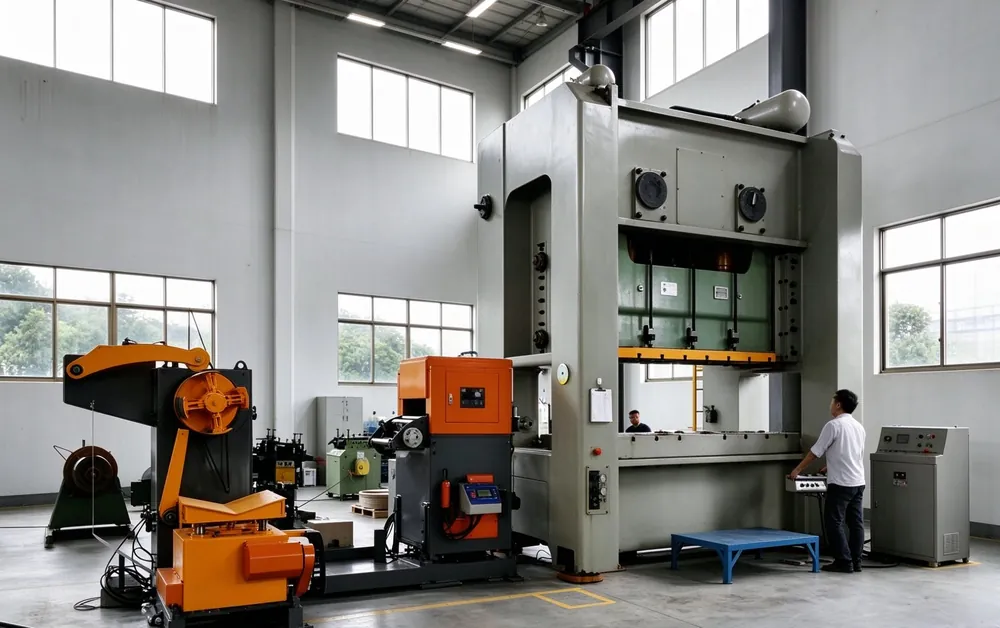
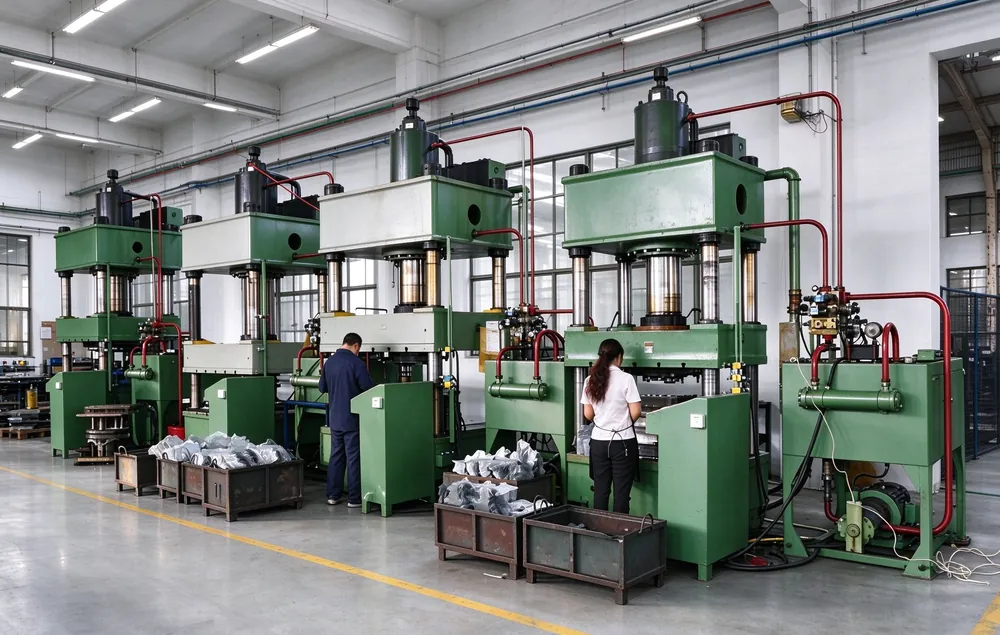
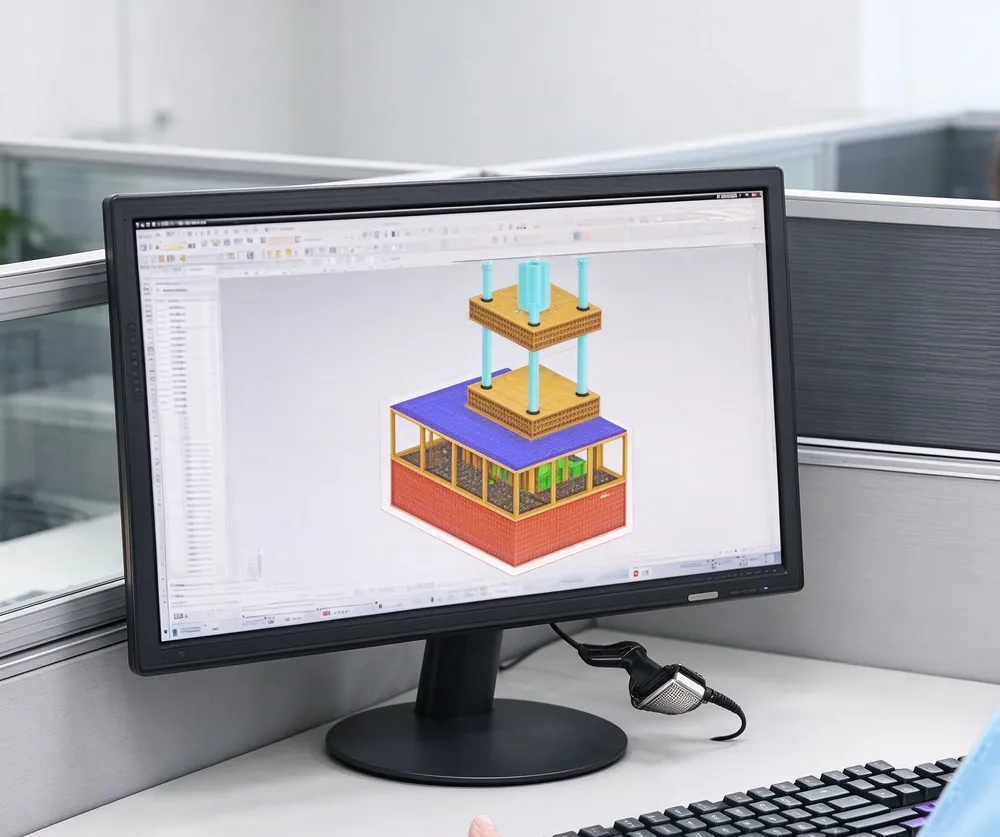
Our Automotive Motor Components Capabilities
-
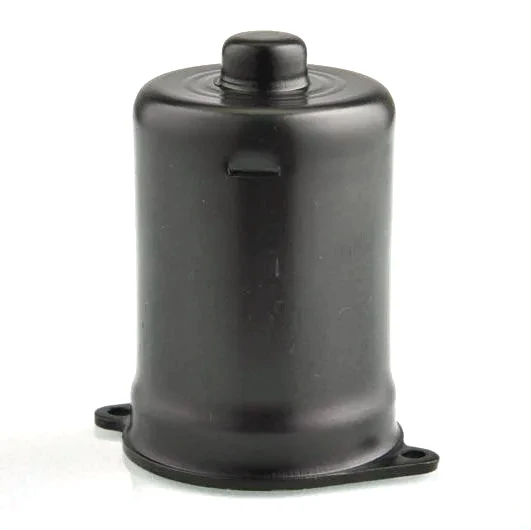
Wiper Motor Stamping Parts – Press Shop
-
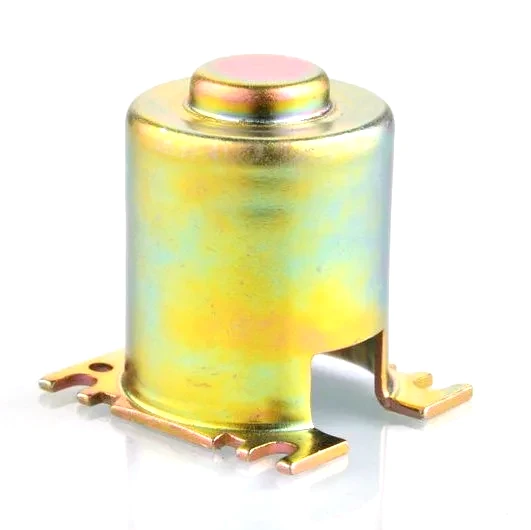
Wiper Motor Components – One-Supplier Family
-
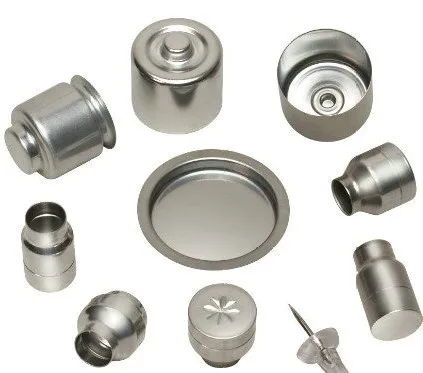
Wiper Motor Spare Parts – Aftermarket Supply
-
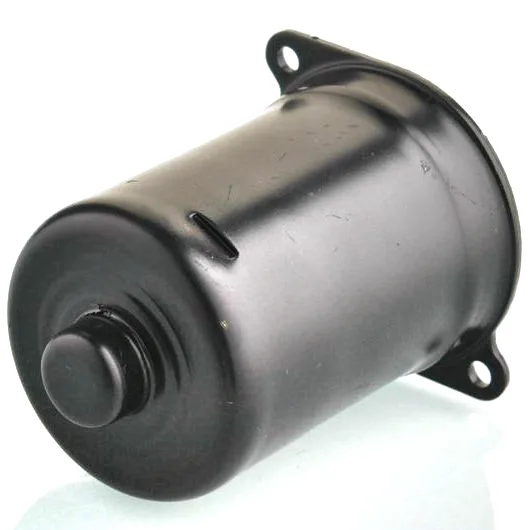
Wiper Motor Accessories – Complete Kits
-
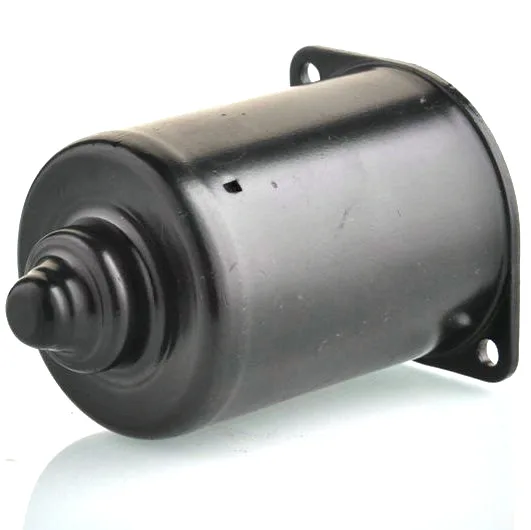
Deep Drawn Wiper Motor Canister – Deep Cylinder
-
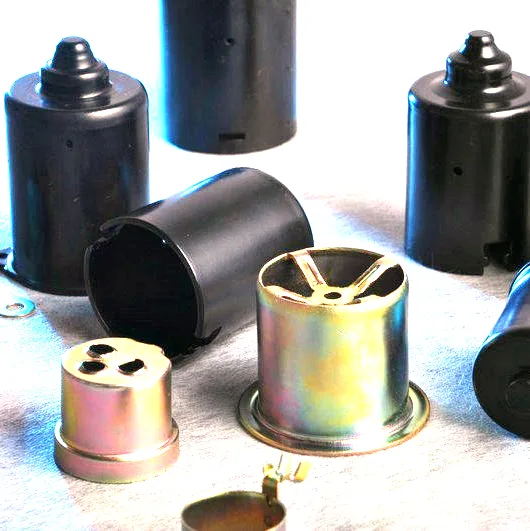
Wiper Motor Cover – Cosmetic Finish
-
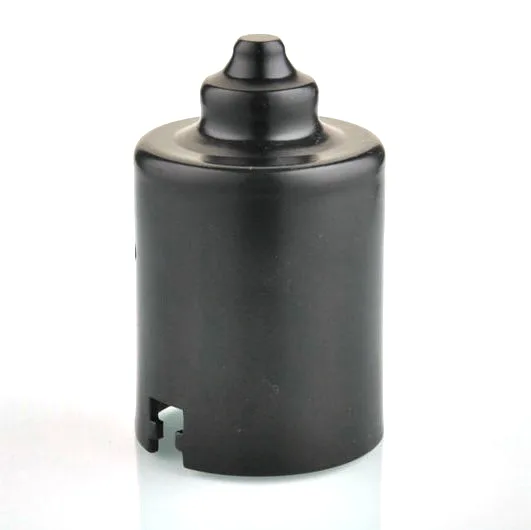
Wiper motor cap
-
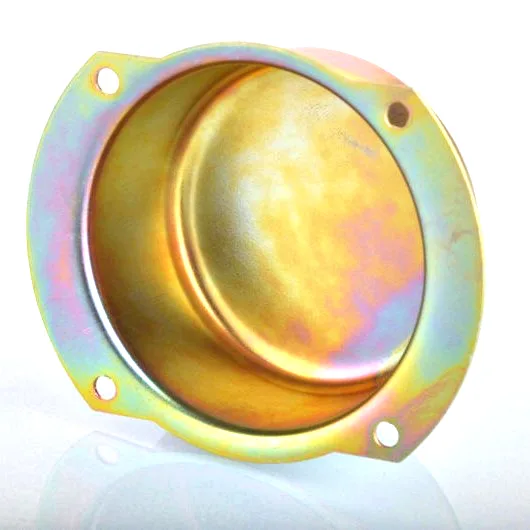
Wiper motor cup
-
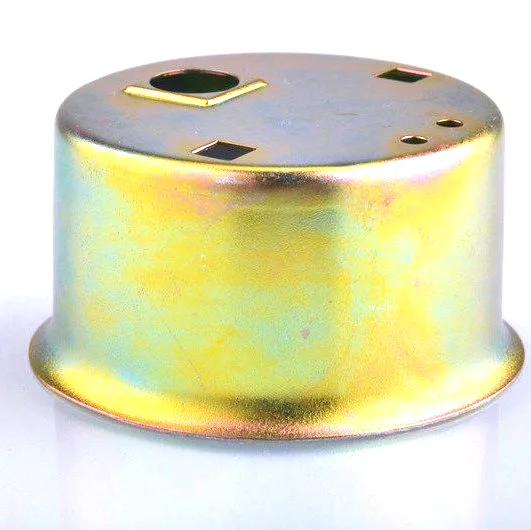
Wiper Motor Housing – Second-Generation Redesign
-
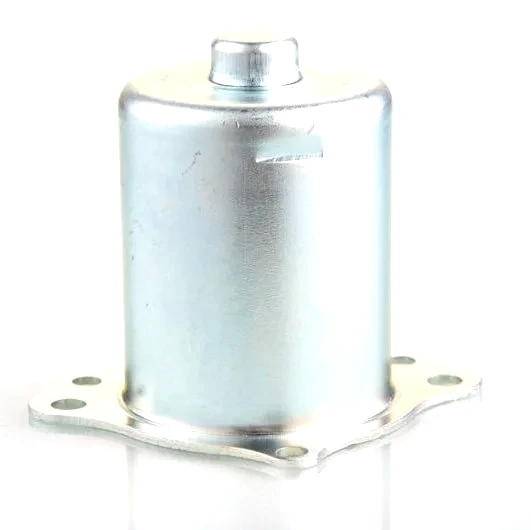
Wiper Motor Cabinet for Commercial Vehicles
-
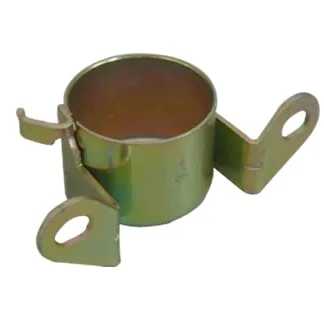
Wiper Motor Frame – Precision Datum Scheme
-
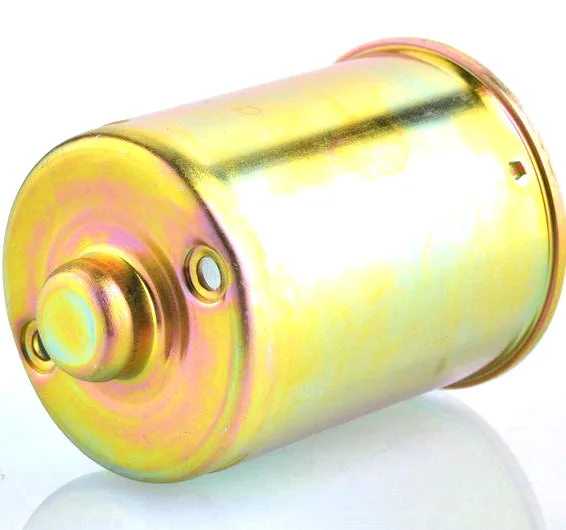
Wiper motor body
-
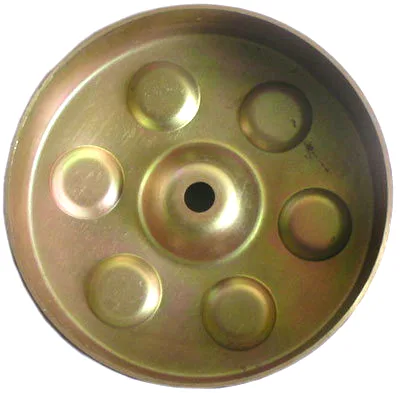
Wiper motor yoke
-
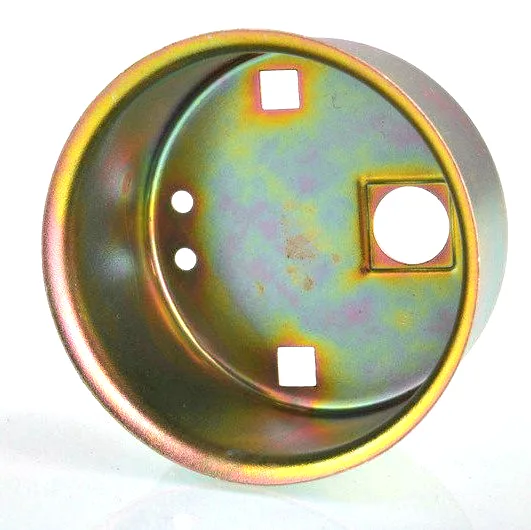
Wiper Motor Enclosure – Electronics & Wiring
-
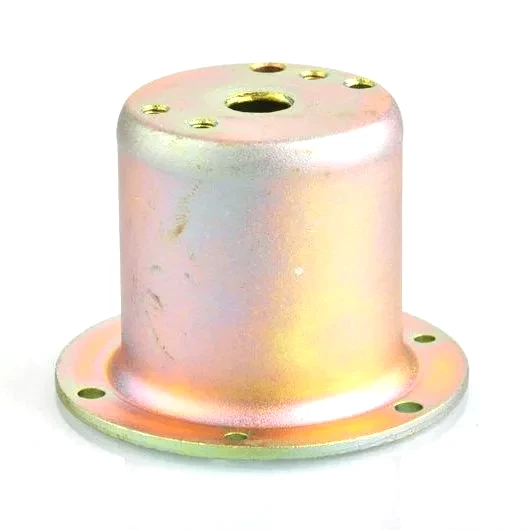
Wiper Motor Shell – Part Consolidation
-
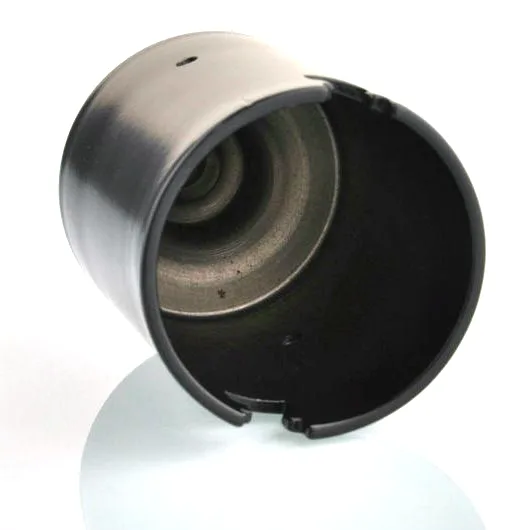
Wiper Motor Cap with Shaft Boss
-
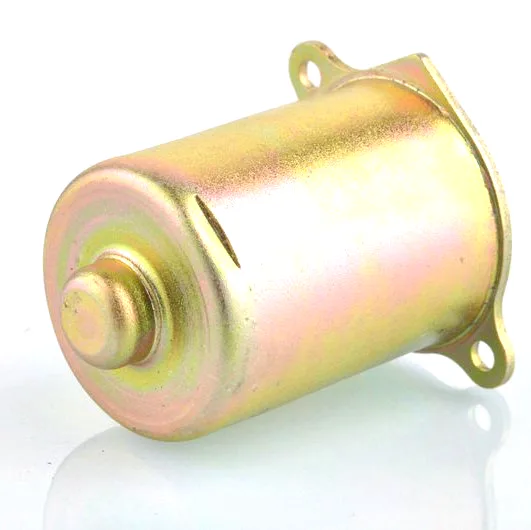
Wiper Motor Casing – NVH and Acoustics
-
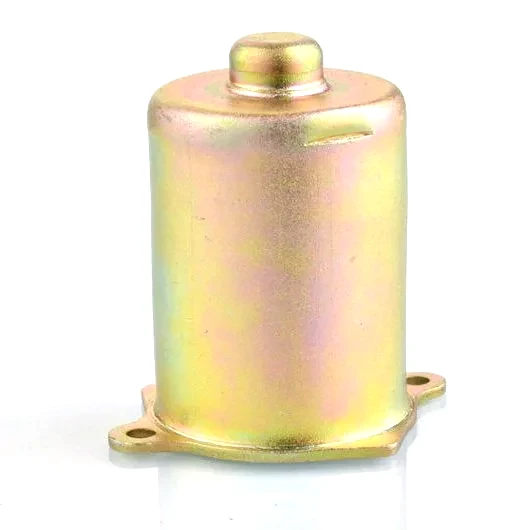
Wiper motor case
-
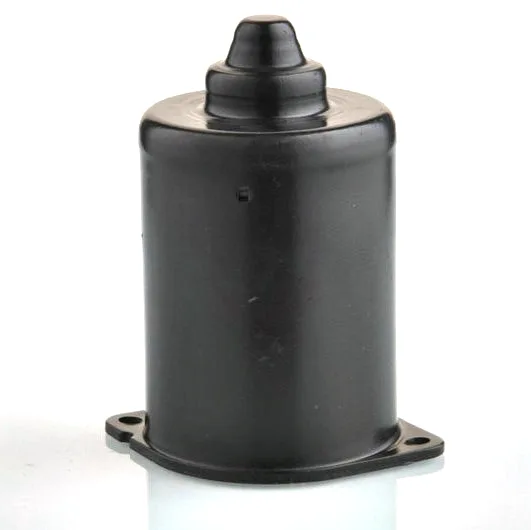
Wiper motor can
-
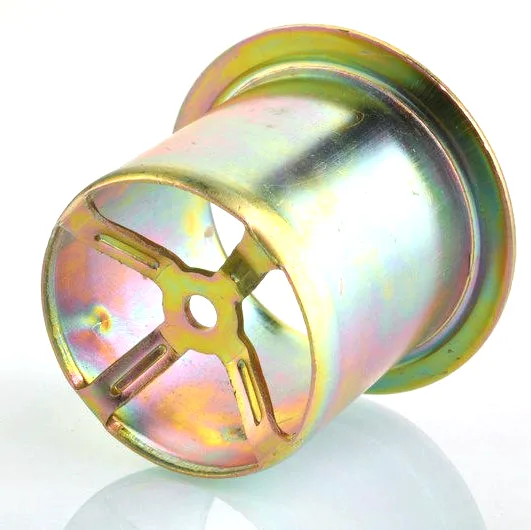
Wiper Motor Housing – Bolting Interfaces
-
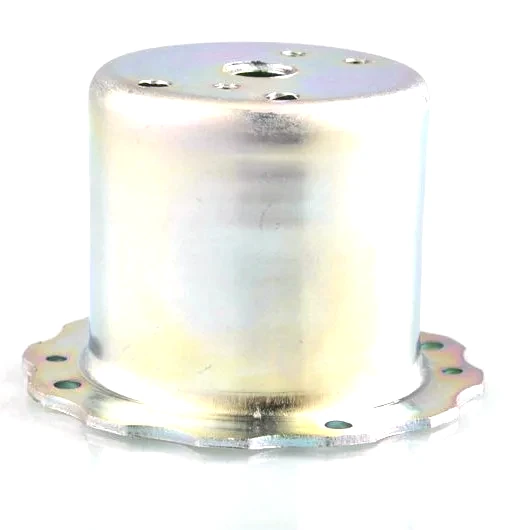
Sheet metal deep drawing stepper motor housing
-
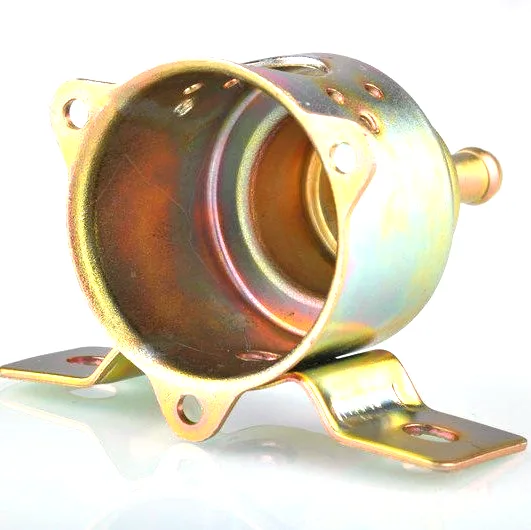
Sheet metal deep drawing stepping motor housing
-
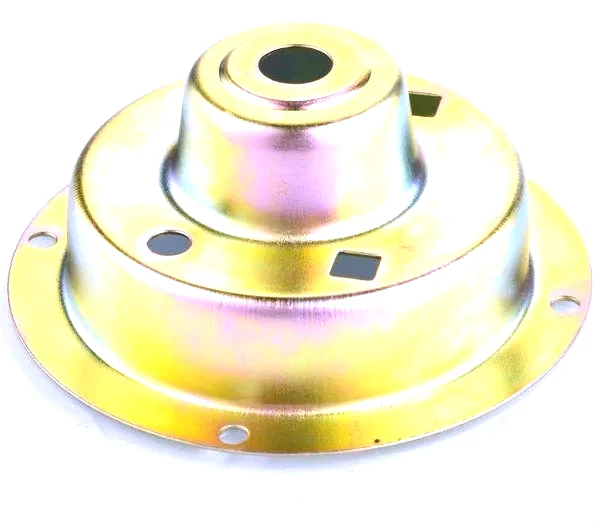
Air conditioner DC motor housing – deep drawn
-
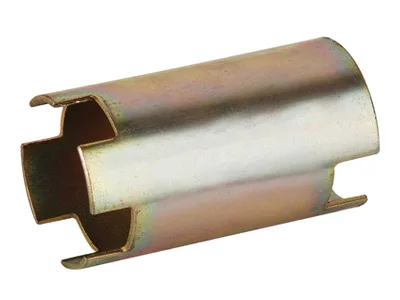
Fuel Pump Motor Components – Full Set
Need custom Automotive Motor Components? Send your drawing – quotation within 24 hours.
What Are Automotive Motor Components?
Automotive motors—window lifts, fuel pumps, HVAC blowers, EPS and seat actuators—rely on a family of drawn and stamped metal parts: end caps, sensor housings, brush holders, pole pieces, and shielding cans. As a deep drawn parts supplier to the auto tier chain, we make these from blank to finished sub-assembly with the consistency volume production demands.
Typical Motor Parts We Make
| Part | Process |
|---|---|
| Motor end caps & housings | Deep drawn shells, often with pierced vent or boss |
| Brush holders & terminals | Progressive stamping, then tap / weld |
| Sensor targets | Drawn or machined sensor parts |
| Mounting brackets | Stamped + CNC features, e.g. motor end bracket |
Drawn vs. Stamped in a Motor
A motor is a mix of both processes. Enclosed, pressure- or magnet-sealing shells are deep drawn; flat, pierced, bent pieces are stamped. Our stamping-vs-drawing guide explains how we pick the route per feature to minimize cost and weld seams.
Materials for Automotive Duty
- Low-carbon steel & HSLA — brackets and pole pieces where strength and cost lead.
- 304 / 316 stainless steel — sensor and fuel-path parts needing corrosion resistance.
- Aluminum 5052 / 6061 — weight-saving housings and covers.
- Electrical steel & copper — laminations and terminals where conductivity matters.
Consistency, PPAP & Traceability
Automotive programs are won on repeatability, not one good sample. Our process controls cover:
- PPAP documentation (capability studies, control plan, MSA) at launch.
- SPC on critical dimensions—wall, OD, flatness—sampled every lot.
- Full traceability by heat / lot for stainless steel and aluminum.
- 100% leak or functional test on sealed motor housings.
Tolerances We Hold
| Feature | Capability |
|---|---|
| OD / ID | ±0.05 mm drawn; tighter by sizing |
| Wall thickness | ±0.03 mm on diameter |
| Flatness / runout | ≤0.10 mm on sealed end faces |
Frequently Asked Questions
Do you supply PPAP documentation?
Yes. For automotive programs we provide full PPAP (control plan, capability studies, MSA, material certs) at launch and maintain SPC through production.
Can you make both the drawn shell and stamped bracket?
Yes. Because we run both deep drawing and stamping in-house, a motor sub-assembly can be sourced from one supplier, reducing interface risk and logistics.
What materials are used for fuel-system parts?
Fuel-exposed parts use 316 stainless steel or compatible alloys with full material certification and traceability by heat number.
How do you ensure consistent wall thickness?
The die fixes the wall, and we monitor it by SPC on every lot. Ironing passes let us hold tight wall tolerances even on long drawn housings.
What volumes do automotive programs run?
From pilot thousands up to millions per year. Tooling is built for the program life, and we hold safety stock against a call-off schedule.
Related Deep Drawing Resources
Motor Architecture & Where Our Parts Sit
Whether the design is a brushed DC, brushless DC (BLDC), permanent-magnet synchronous (PMSM), or induction motor, the same metal parts recur: a housing or can, end caps, a stator stack, a rotor carrier, terminal and brush hardware. We make the drawn and stamped members of that set.
Component Deep Dive
Motor cans & housings
A closed-end drawn can forms the motor shell in one piece, giving a seamless magnetic path and a clean exterior. We draw it from low-carbon steel, stainless steel, or aluminum depending on the thermal and corrosion spec.
End caps & flanges
Stamped or drawn caps close the motor. Features such as bearing seats, vent holes, and mounting tabs are formed in the die so no secondary machining is needed.
Brush holders & terminals
Small stamped parts that must hold position and carry current. Copper and brass grades are common; plating is specified for wear and solderability.
Stator & rotor hardware
We supply the steel laminations carrier and the drawn rotor can; the electrical steel stack is often a separate lamination supplier, and we mate to it.
Electrical Steel & Laminations
For magnetic paths, material choice drives efficiency. We work with low-carbon and silicon grades and can draw or stamp the carrier that holds the lamination stack. If your design needs bonded or insulated laminations, we coordinate with the lamination source so the drawn shell matches the stack OD exactly.
Thermal Management Considerations
Motor housings shed heat. We can add external fins by forming, or design the can wall thickness to meet a thermal budget. Aluminum draws are favored where weight and heat dissipation both matter; steel where magnetic shielding is primary.
PPAP & IATF 16949
Automotive programs run under IATF 16949. We issue PPAP at the agreed level, with a control plan, process flow diagram, and Cpk on safety- and function-critical dimensions. Lot traceability ties each can back to its material heat and press run.
| PPAP element | What we provide |
|---|---|
| Design record & DFM | Review sign-off, tolerance proposal |
| Process flow & PFMEA | Die process, failure modes |
| Dimensional results | Full inspection, Cpk |
| Material & performance | Certs, test where required |
Consistency at Volume
A motor is an assembly of many identical parts; a 0.1 mm drift in one cap stacks across millions of units. We hold critical dimensions with SPC and gauge the press automatically, so the 100,000th can matches the first.
Drawn vs. Stamped in a Motor
The rule of thumb: if the part is cup- or can-shaped with a closed end, draw it; if it is flat with features, stamp it. Many motors combine both — a drawn can plus stamped end caps and terminals in one linked cell. See our stamping page for the boundary between the two processes.
Materials for Automotive Duty
- Low-carbon steel: magnetic cans and brackets, cost-effective.
- 304 / 316L stainless steel: corrosion-exposed or washdown motors.
- Aluminum 6061/3003: weight-sensitive, heat-dissipating housings.
- Brass / copper: terminals and brush hardware needing conductivity.
Tolerance Examples
| Feature | Typical tolerance |
|---|---|
| Can OD | ±0.05 mm |
| Closed-end wall | ±0.03 mm |
| Bearing-seat ID | ±0.02 mm (sized) |
| Cap flatness | 0.10 mm |
Design for Motor Parts (DFM)
- Define the magnetic vs. structural surfaces so we protect the right ones.
- Put bearing seats on a sized diameter, not a drawn one.
- Keep vent and mount features symmetric to avoid press twist.
- State the annual volume so we choose progressive vs. soft tooling.
Advanced Motor-Component Questions
Can you make a sealed motor can?
Yes. A drawn closed-end can is inherently sealed on the body; we add a stamped or drawn lid and weld or crimp it, then leak-test if the spec requires.
Do you assemble the motor?
We supply the metal components to print; final motor assembly is typically done by the customer or a contract assembler. We will mate to your lamination stack geometry.
What about prototypes before PPAP?
We run soft-tool or sample parts first to prove the form and tolerances, then cut production tooling once the design is frozen. This avoids committing die cost to a moving target.
Can aluminum and steel parts be combined in one cell?
They are different materials with different die needs, so we sequence them as separate operations, but can deliver both as a kit to your line.
How do you ensure million-piece consistency?
By SPC on critical dims, automatic press gauging, and documented lot traceability tied to material heat and tooling maintenance records.
Common Motor-Part Defects & Controls
| Defect | Control |
|---|---|
| Out-of-round can | Mandrel sizing, gauge at press |
| Cap twist | Symmetric layout, pilots |
| Bearing-seat oversize | Sized ID, Cpk monitoring |
| Weld porosity on sealed can | Qualified weld map, leak test |
Prototyping to Production
We prototype motor parts by soft tool or sample from similar tooling, prove form and tolerance, then cut production dies once the design is frozen. This protects tooling spend and shortens the real production lead time.
Linked Cells for Motor Sets
A motor often needs a drawn can plus stamped caps and terminals. We can run these in a linked cell so the set stays matched and handling is minimized — useful when the cap must seat the can within a tight stack.
Standards We Work To
- IATF 16949 for automotive programs.
- Customer-specific drawing and material specs.
- RoHS / REACH on finishes where required.
- Material certificates and Cpk on request.
Quoting Motor Components
Send the assembly drawing showing how the parts relate, the annual volume, material grades in full, and any PPAP level. Knowing the motor type (BLDC, PMSM, induction) helps us pick the right material and process.
More Motor-Component Questions
Can you make a motor can with external cooling fins?
Yes, by forming the fins in the draw or a follow-on operation; aluminum is preferred where weight and heat both matter.
Do you support low-volume specialty motors?
Yes. For low volume we use soft tool or machining so you are not paying for a progressive die you may not fill.
Can the housing carry mounting threads?
We form a boss and tap it, or weld a threaded insert, depending on the load and material.
How do you handle a design change after PPAP?
Any change to form, material, or process triggers a re-validation at the agreed PPAP level; we manage the notification and re-submission.
What is the typical lead time for production tooling?
It depends on die complexity; we quote it up front after reviewing the drawing, and prototyping can start before final tooling is cut.
Worked Example: A BLDC Motor Can
For a brushless DC motor, the outer can is a drawn steel or aluminum shell closed at one end, with a bearing seat formed into the open end cap. We draw the can to hold OD and wall, form the closed end with a vent dimple, and draw or stamp the end cap with a sized bearing bore. The two are then assembled in a cell so the stack height stays within tolerance across the run.
Supply Chain for Motor Programs
Automotive motor programs need predictability. We hold material heat records, schedule tool maintenance by hit count, and tag each lot so a field issue can be traced back to the exact run. For multi-part sets we coordinate the can, caps, and terminals so they arrive as a matched kit.
Material Choice by Motor Type
- BLDC / PMSM: steel can for magnetic path, aluminum where weight rules.
- Induction: steel rotor and stator carriers, often with lamination stacks.
- Automotive traction: aluminum housings for thermal load, steel where shielding matters.
Design Review Checklist for Motor Parts
| Item | Decision |
|---|---|
| Can vs. cap process | Draw can, stamp cap |
| Bearing seat | Sized ID, not drawn |
| Vent | Formed dimple or hole |
| Seal | Weld or crimp + leak test |
| Volume | Decides progressive vs. soft tool |
More Motor-Component Questions
Can you make a dual-shaft motor housing?
Yes, with bearing seats at both ends; we size each bore and verify runout so the shafts align.
What about high-temperature motor cans?
We select the grade and any coating for the temperature spec and confirm the magnetic or structural requirement is still met.
Do you support design for serviceability?
Yes — features like removable end caps or service ports are formed into the part when the motor must be field-serviceable.
Can motor parts be supplied with inserts?
We can press or weld customer-specified inserts (bushings, terminals) as part of the cell, then inspect the assembly.
How do you protect surfaces during shipping?
Sealed and bearing-seat surfaces are capped or sleeved, and for automotive we use returnable dunnage with lot labels tied to traceability.
The Motor Component Manufacturing Sequence
A motor part program typically starts with a design review: we confirm which features are magnetic, which locate bearings, and which must be sealed. From there we choose draw versus stamp for each piece, build or soft-tool the dies, run first articles, and once approved cut production tooling. For a motor set we often run the can, caps, and terminals in a linked cell so the parts stay matched through assembly.
Why Consistency Beats Tight Tolerance Alone
In a motor, ten identical caps must stack the same way every time. A cap that is individually within tolerance but varies part to part causes assembly drift. We therefore optimize for low variation: SPC on critical dims, automatic press gauging, and scheduled tool maintenance. The result is a tight Cpk, which is what your assembly line actually needs.
Thermal and Magnetic Design Notes
The housing shapes the motor’s thermal and magnetic behavior. Aluminum draws dissipate heat and save weight; steel provides a continuous magnetic path. We help pick the material by the duty: a traction motor favors aluminum for thermal load, while a small actuator may favor steel for shielding. The choice is written into the material spec so it is enforced at incoming inspection.
PPAP in Plain Terms
PPAP is the automotive way of proving a process is ready for production. We submit the design record, the process flow, the PFMEA, dimensional results with Cpk, and material and performance data at the level you request. Once approved, any change triggers re-validation, which protects both us and you from silent drift.
Failure Modes We Design Out
Common motor-part risks are out-of-round cans, twisted caps, oversize bearing seats, and leaky sealed cans. Each has a designed-in control: mandrel sizing and gauging, symmetric layout with pilots, sized IDs with Cpk, and qualified weld maps with leak test. We list these in the PFMEA so the controls are explicit, not accidental.
More Motor-Component Questions
Can you make both the can and the laminations?
We supply the drawn or stamped steel members and coordinate with your lamination supplier so the shell matches the stack geometry; we do not typically cut the electrical steel stack.
What is the typical Cpk you hold?
We target 1.33 or higher on critical characteristics and report the actual value with each lot.
Can you support a rush prototype?
Yes; soft tool or sample parts from similar tooling can often ship faster than full production tooling would allow.
Do you assemble the motor set?
We deliver the metal components as a coordinated kit; final motor assembly is usually done by you or a contract assembler.
How do you protect bearing seats in shipping?
Seats are capped or sleeved, and for automotive we use returnable dunnage with lot labels tied to the traceability record.
How to Choose a Motor-Component Supplier
For automotive motor parts the supplier’s quality system matters as much as the parts. Ask whether they run IATF 16949, how they keep lot traceability, and what PPAP level they support. A supplier who gauges at the press and reports Cpk protects your assembly line from drift better than one who inspects only at the end. Also confirm they can coordinate a motor set — can, caps, terminals — as a matched kit.
Pitfalls to Avoid
- Putting bearing seats on a drawn diameter; size them instead.
- Designing asymmetric features that make the strip twist in the die.
- Freezing the design before prototyping; tooling cost gets committed too early.
- Ignoring the magnetic vs. structural surfaces; they need different treatment.
- Assuming a sealed can is sealed; it must be leak-tested to the spec.
Documentation You Should Expect
For automotive you should receive the full PPAP at the agreed level, material certificates with heat records, Cpk on critical characteristics, and a control plan tied to the leak-test method where relevant. This is what your incoming inspection should verify.
More Motor-Component Questions
Can you support a launch with ramp-up volume?
Yes; we plan tooling and buffer so the line ramps without shortage, and we keep traceability through the ramp.
What if the motor design changes mid-program?
We manage the change through PPAP re-validation at the agreed level so the new parts are proven before they ship.
Do you make non-automotive motor parts too?
Yes; the same drawing and process discipline applies to industrial and appliance motors without the PPAP overhead.
Can you supply a complete motor housing assembly?
We supply the metal components; final motor assembly is usually done by you or a contract assembler, with our parts coordinated as a kit.
How do you keep cost down on a complex motor set?
By choosing the right process per part (draw vs. stamp), relaxing non-critical dims, and running the set in one cell to cut handling.
EV Motors vs. Conventional Motors
An electric traction motor and a twelve-volt wiper motor share a housing shape but not the same demands. EV motors push more power through the same diameter, so the can runs hotter and the stack height matters more, and the whole set is judged against efficiency the way a fuel-pump motor never is. That shifts where the tolerance money goes: a true bore and a tight stack height matter more than a cosmetic flange.
We see more teams asking for drawn and machined housings that did not exist in the conventional world, because the EV motor is a newer, faster-moving design space. The process discipline is the same; the features we protect are not.
BLDC, PMSM and Brushed: What Each Demands
The motor type dictates the part, so we ask which one you are building. A BLDC motor wants a clean, magnet-friendly bore and a tight stack height so the rotor runs true. A PMSM housing leans harder on thermal paths and a sealed end. A brushed motor tolerates looser magnetic specs but still wants a true bearing seat and a closed can that keeps the dust out.
The practical read for an engineer: tell us the architecture and the duty cycle, and we will tell you which tolerances protect performance and which are expensive habits left over from an older design. Most drawings carry both.
Reshoring and Supply-Chain Resilience
Motor programs got burned by long, single-source lines, and a growing number now want a supplier they can visit and a lead time they can plan around. We run the parts in-house from tooling to finish, so a design change does not wait on a container, and a rush reorder does not wait on a boat schedule.
For teams pulling volume back to a stable region, we support the ramp with the same PPAP discipline the original source used, which makes the handover auditable instead of scary. The winning argument is usually simpler than people expect: when the die shop, the presses and the inspection lab share one floor, a problem is caught the same week it appears.
Do you support electric vehicle motor programs?
Yes. EV motor housings carry different demands — tighter stack height, more thermal load, a bore held for the rotor — and we draw and machine them with the same PPAP and SPC discipline we apply to conventional motors.
How do I choose between a BLDC and a brushed motor housing?
That is a motor-design decision, but the housing follows it. A BLDC housing needs a clean, magnet-friendly bore and a tight stack height, while a brushed housing needs a true bearing seat and a sealed can. Tell us the architecture and duty cycle, and we will design the part around the tolerances that actually protect performance.