
Every metal component Aunov manufactures in one place — deep drawn shells, stamped parts, CNC machined details, valve tubes and sensor housings. New products are published every week.
Three process families, one supplier
Everything in this catalogue is made in our own plant in Hangzhou, across three process families that share the same tooling discipline, material control and inspection routine. Deep drawn parts are formed from sheet or coil in a single draw or a sequence of draws — that is how we make cups, shells, sleeves, covers, cans and tubes with consistent wall thickness and no weld seam. Metal stamping covers progressive-die and single-hit work: brackets, mounts, plates, terminals and small fittings cut and formed from coil. CNC machining finishes the detail that drawing tolerances push beyond what forming alone can hold — bores, threads, flats, threads and locating bosses.
Two further families are built on deep drawing plus secondary operations: valve tubes and sensor housings, both drawn from stainless steel or brass tube and then trimmed, flared, threaded, necked or closed to the drawing. Grouping the catalogue by process rather than by application is deliberate — it tells you immediately which tooling family a part belongs to, and that is what decides lead time and cost.
Complete product catalogue: deep drawn, stamped and machined parts
-
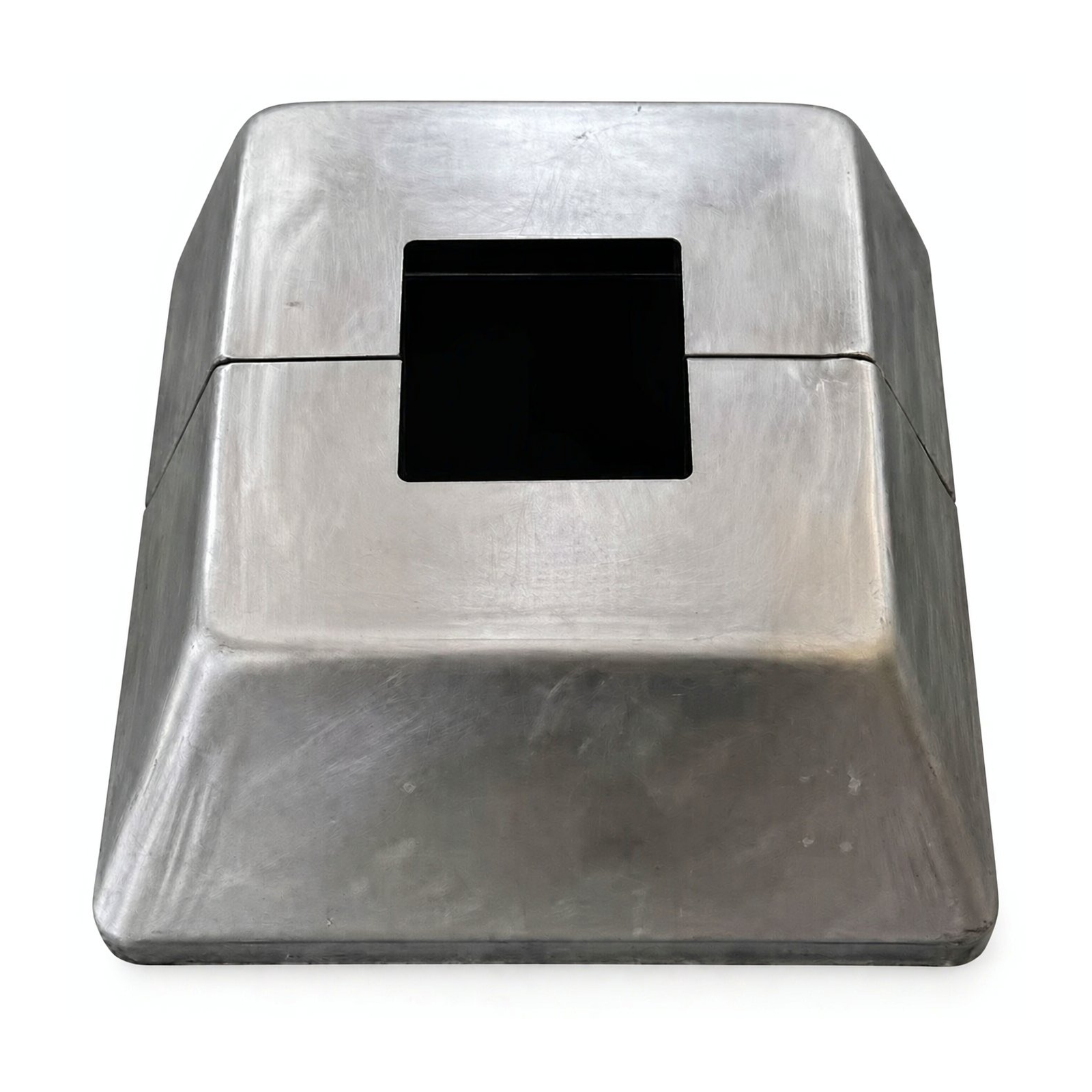
Deep Drawn Parts for Industrial Enclosures
-
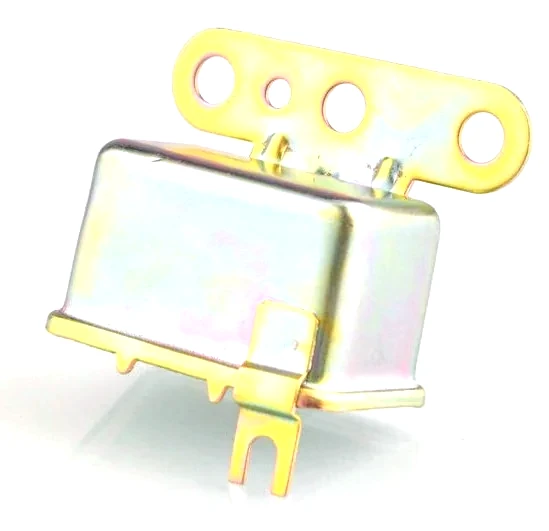
Deep Drawn Housings for Defense & Optics
-
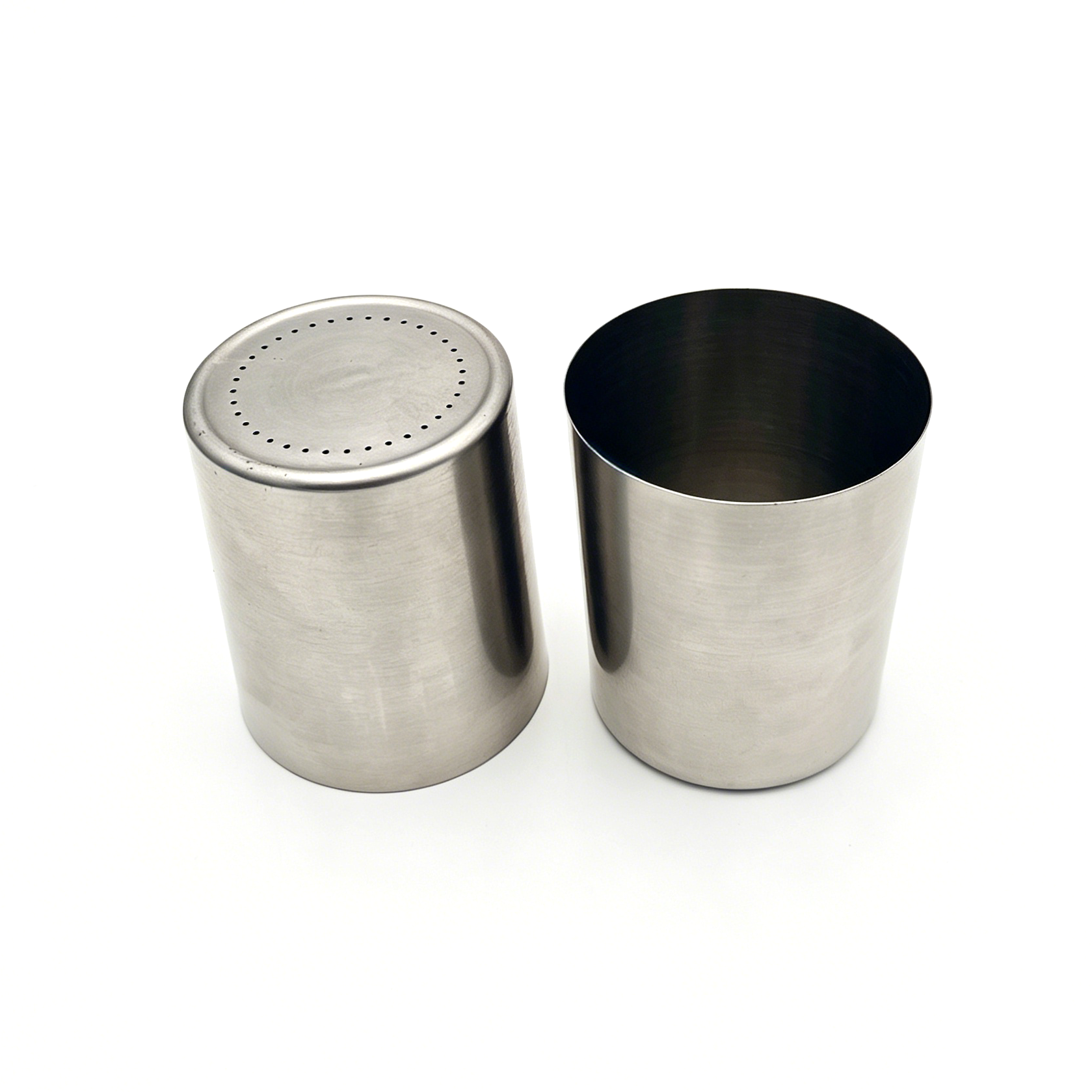
Deep Drawn Parts for Medical & Healthcare
-
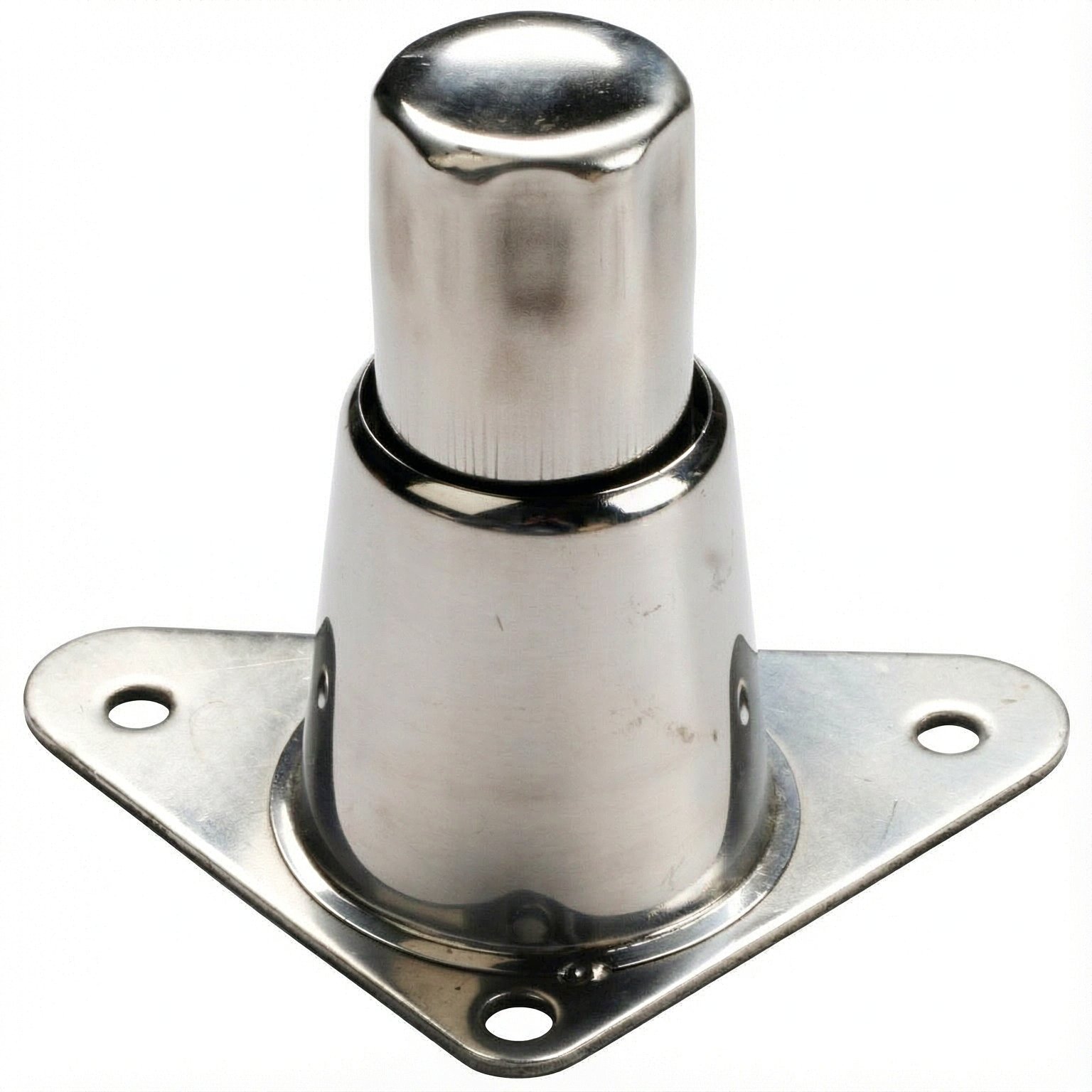
Deep Drawn Parts for Battery & Energy Storage
-
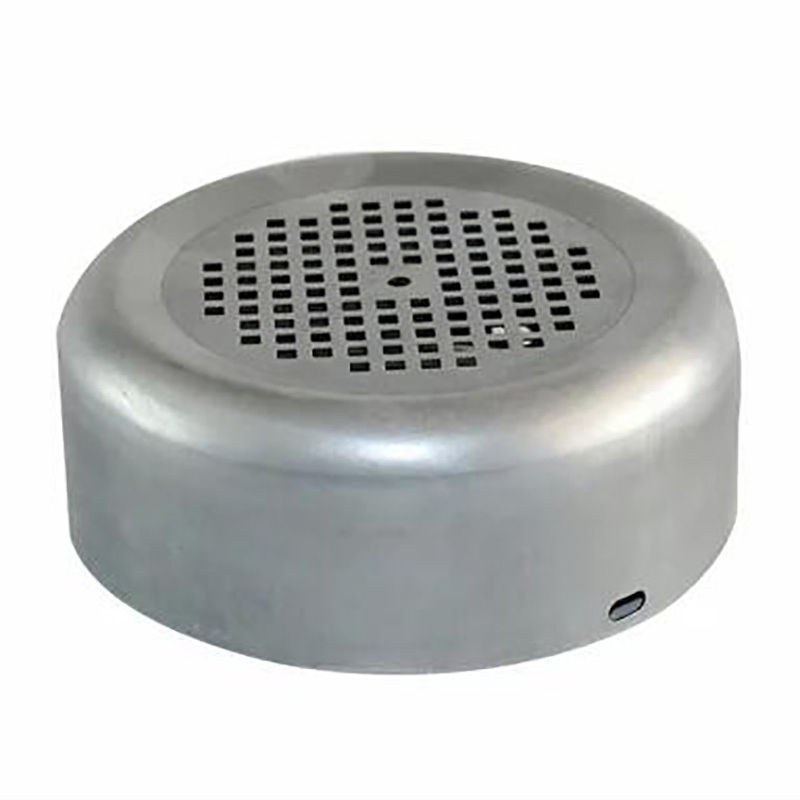
Deep Drawn Automotive Parts
-
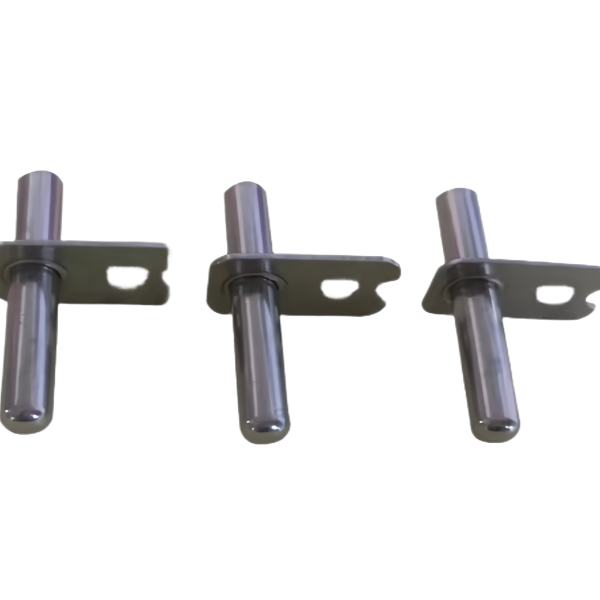
Flange-Mount Sensor Probe Housings with Fixing Holes
-
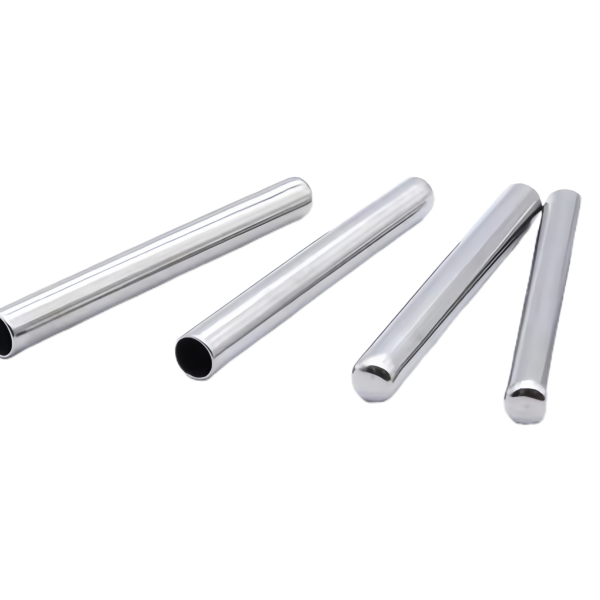
Stainless Steel Closed-End Sensor Housing Tubes Multi-Size
-
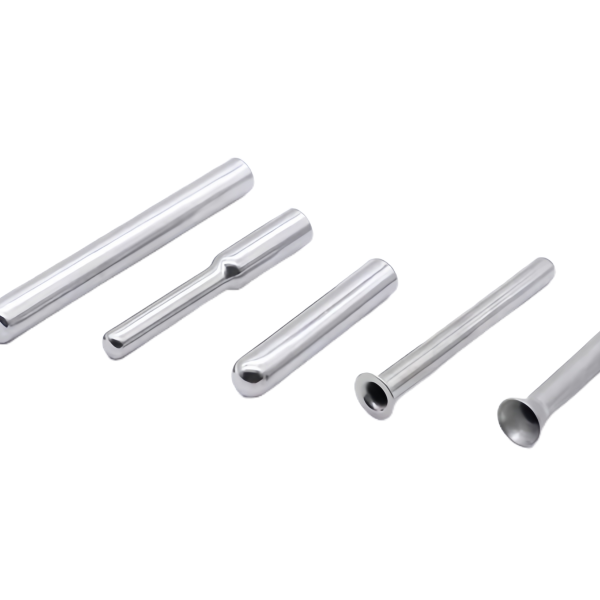
Stainless Steel Sleeve Tubes with Reduced-Diameter Tips
-
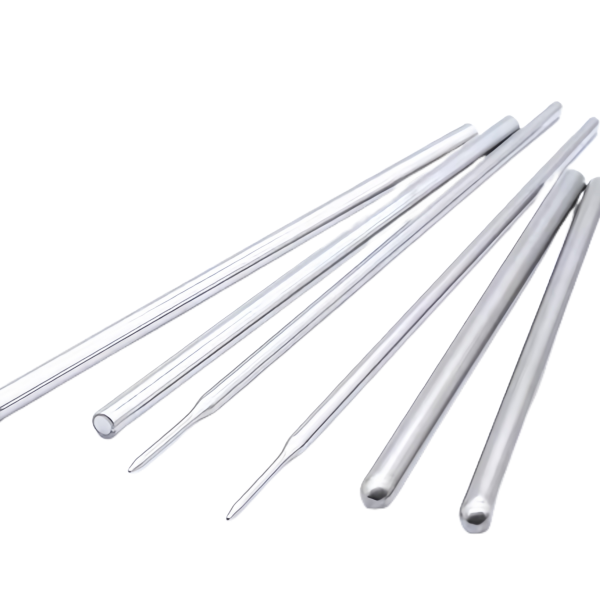
Stainless Steel Thermowell Sleeves and Needle Probes Set
-
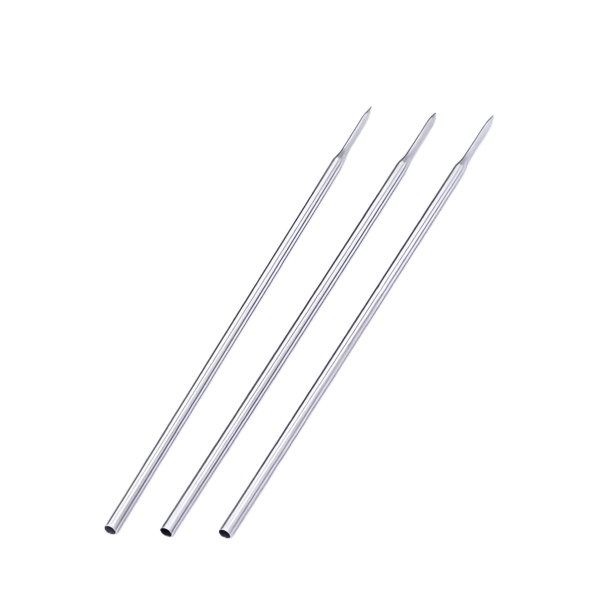
Stainless Steel Needle Probe Sensors for Meat Thermometers
-
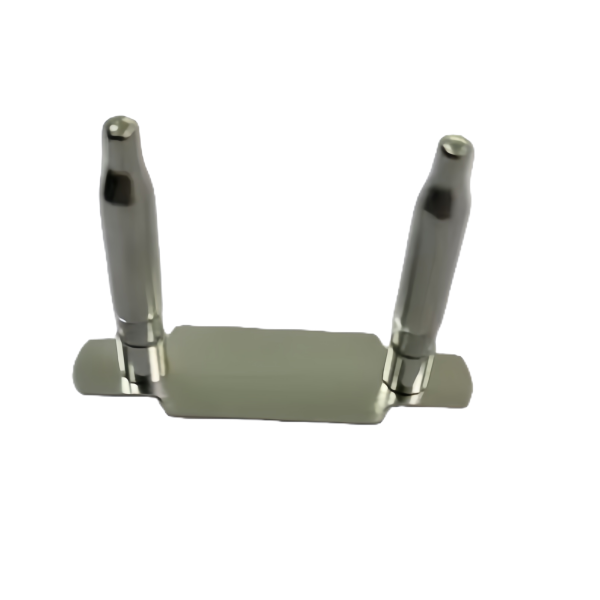
Double-Tube Sensor Probes Welded Mounting Base Assembly
-
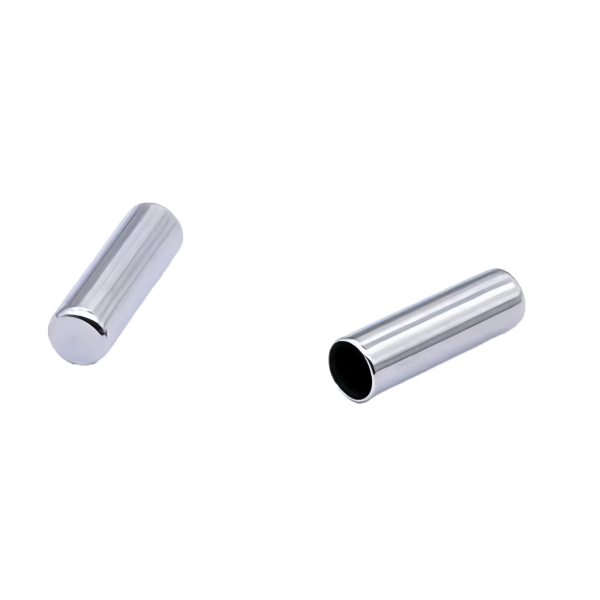
Deep Drawn Stainless Steel Sensor Sleeve Shells
-
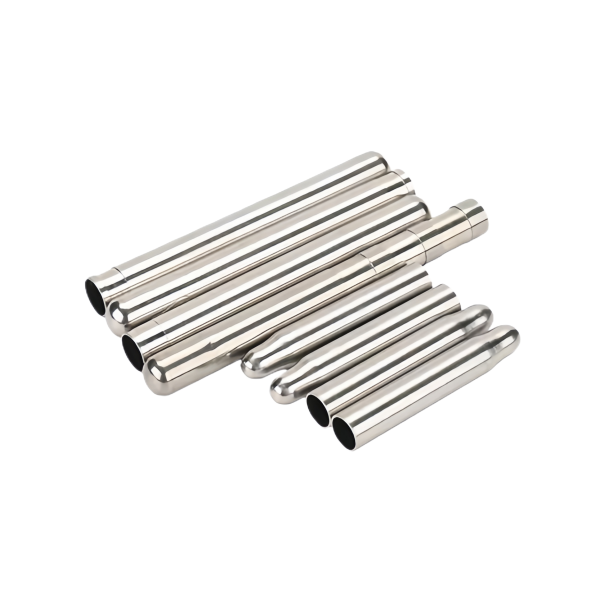
Stainless Steel Round Tubes Assorted Sizes for Instruments
-
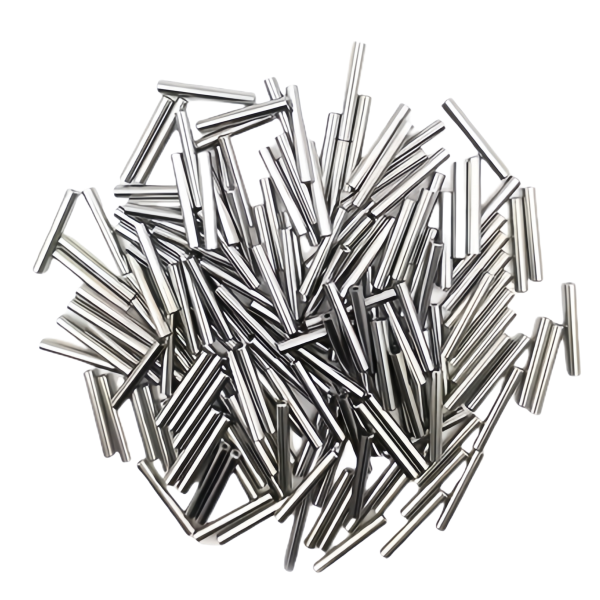
Stainless Steel Capillary Tube Segments Bulk Supply
-
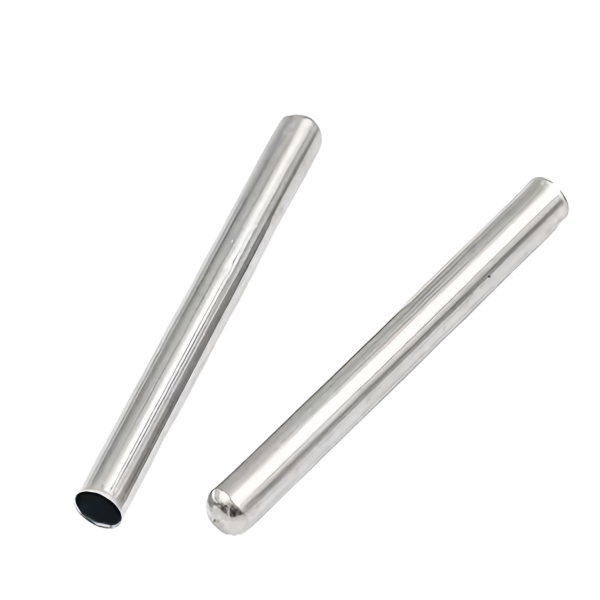
Stainless Steel Micro Tubes with Closed and Open Ends
-
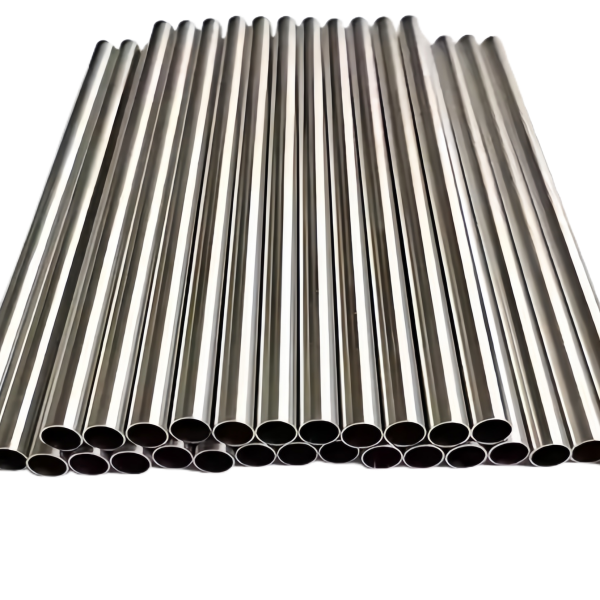
Long Straight Stainless Steel Capillary Tubes Bundle
-
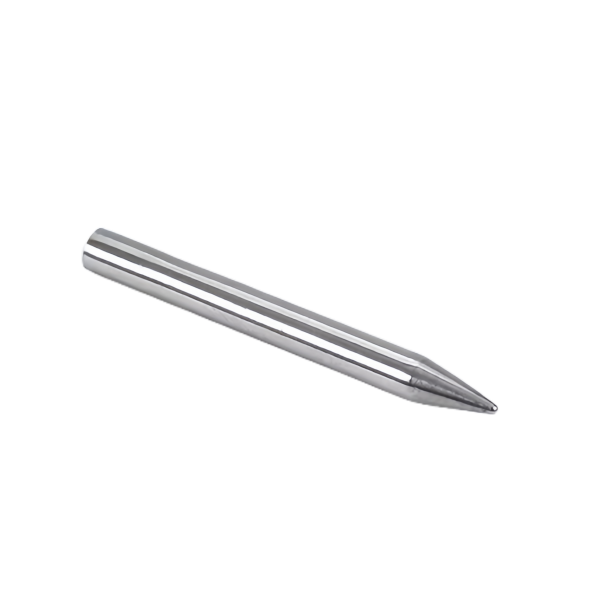
Stainless Steel Pointed-Tip Temperature Probe Tube
-
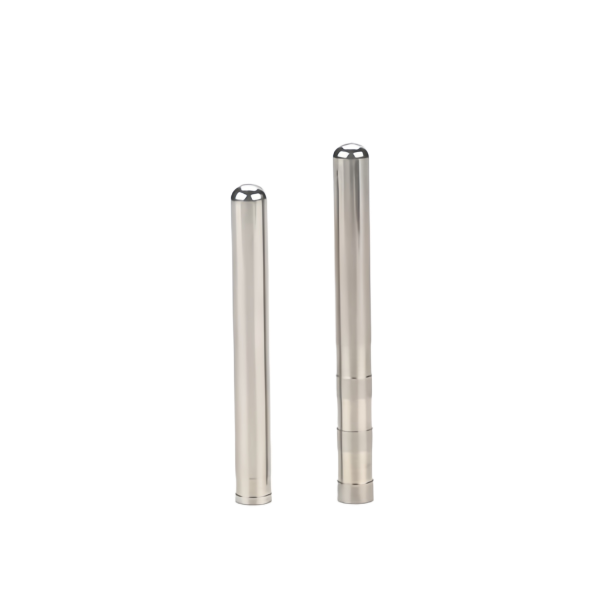
Stainless Steel One-End-Closed Thermowell Tubes
-
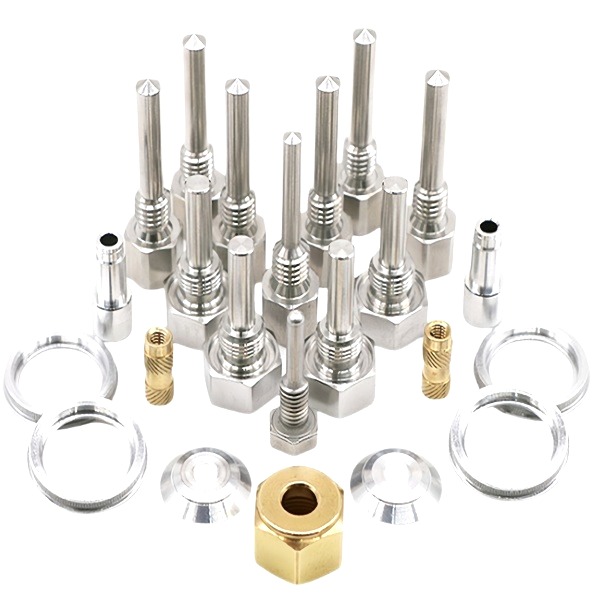
NTC Thermistor Probe Housings with Hex Compression Fittings
-
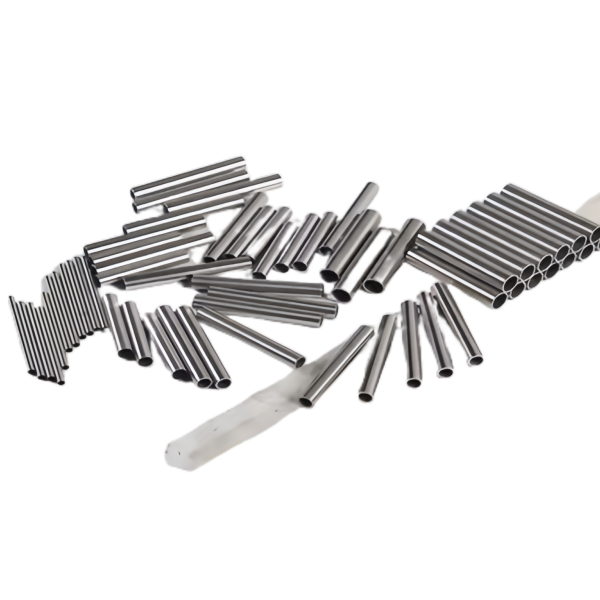
Stainless Steel Capillary Tube Bundle for Sensor Probes
-
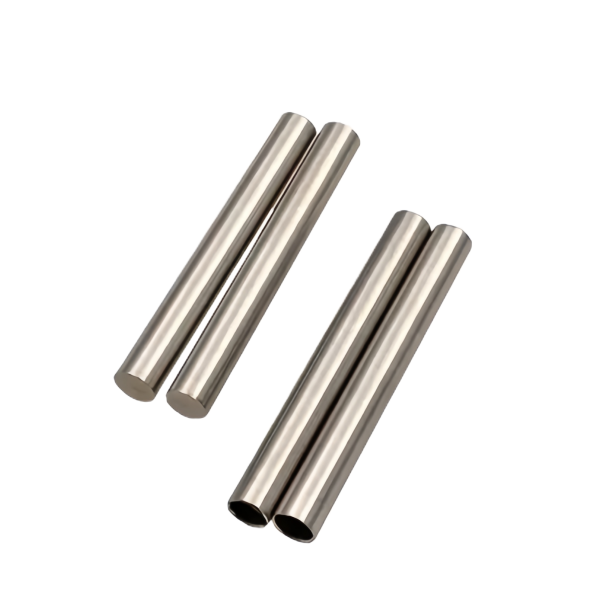
Stainless Steel Closed-End Tubes for Temperature Sensors
-
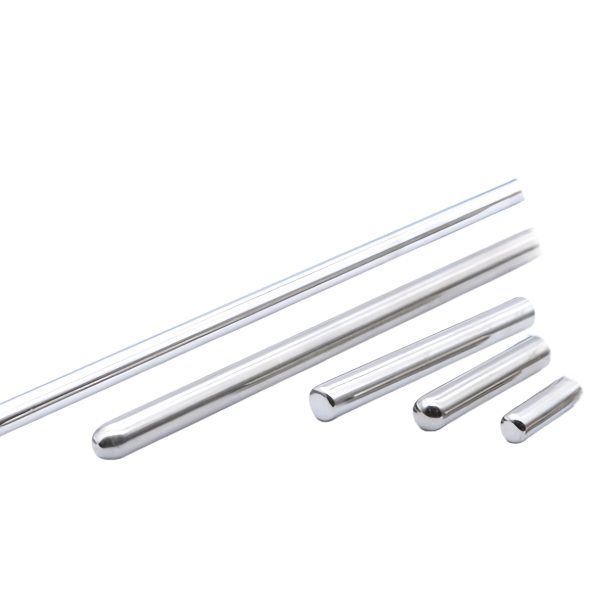
Stainless Steel Sensor Probe Tubes Multiple Lengths
-
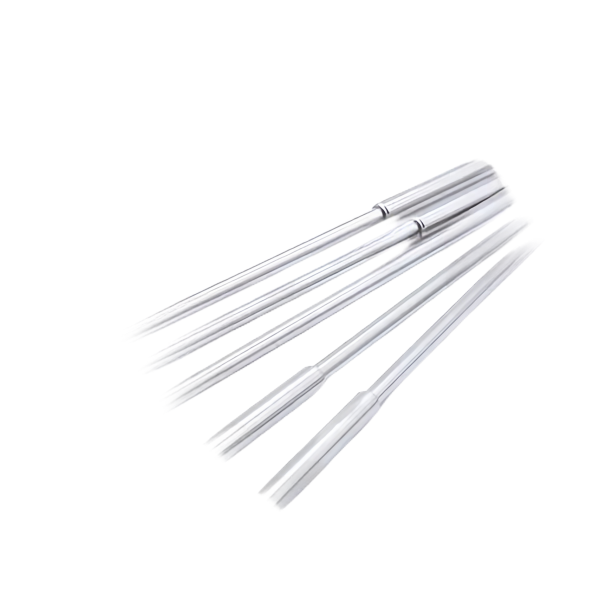
Thin-Wall Stainless Steel Temperature Probe Sheaths
-
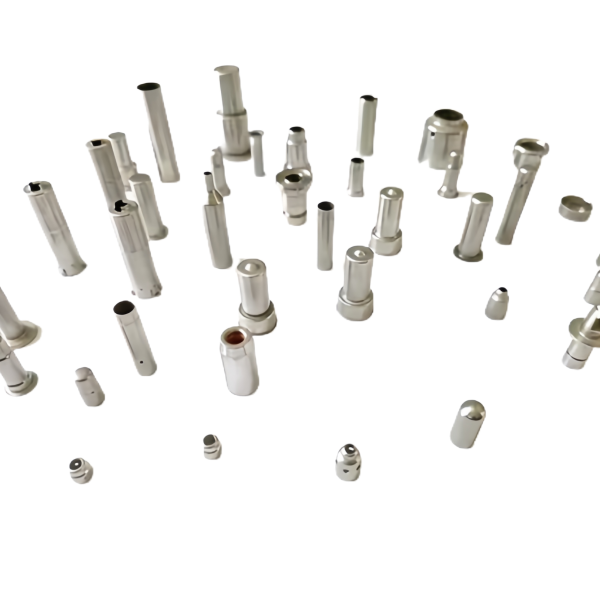
Stainless Steel Probe Housings Assortment Threaded Ends
What to Specify When You Order
Every part in this catalogue is made to print rather than picked from stock, so the more precisely you describe the requirement, the faster the quote comes back and the fewer surprises appear at sampling. Six items cover most enquiries:
- Material and temper. Grade and condition, for example stainless steel 304 2B or aluminium 5052 H32, with wall thickness and its tolerance.
- Critical dimensions. The diameters, lengths and formed features the mating parts fit against — and nothing else. Everything else can carry a general tolerance.
- Quantity. Annual volume and the first-order quantity, because they decide whether tooling is amortised and which press line runs the part.
- Finish. Passivation, anodising, plating or powder coating, and which surfaces it has to cover.
- Documentation. Material certificates, first article inspection, PPAP level or certificates of conformity, where the programme requires them.
- Application. What the part does and what it has to survive — pressure, temperature, corrosion or handling. This is often what decides the alloy and the process route.
With those six facts, an engineer can confirm whether the part is drawable, how many stages it needs, and what tooling and piece price would be. The fastest way to start is the contact page; the reasoning behind each choice is explained across our engineering guides and deep drawn parts overview.
If You Are Not Sure Where to Start
Many enquiries arrive as a description rather than a drawing: “a stainless steel cup about 40 mm across, 60 deep, with a mounting flange”. That is enough to begin. We work out the draw schedule, confirm the material and wall thickness, and return a quotation with tooling cost and lead time, or tell you honestly when a different route would serve you better.
Quantities matter more than drawings at the early stage. The first order can be a few hundred pieces while the design settles, with repeat orders against the same tool once it is proven. Send what you have, and we will tell you what the part needs next.
How to read a product page
Every card links to a page carrying the actual part photograph, a specification table covering material, finish, dimensional detail and process route, and the tooling notes that decide whether a similar part can be quoted from existing dies. Where a part is shown in several materials or sizes, the table states which variant is pictured — the photograph and the specification always describe the same item.
Materials and finishes you will see throughout
Stainless steel in 304, 301 and 316 grades, cold rolled steel, aluminium 1050 and 3003, brass H62 and H65, and copper. Zinc plating, nickel plating, passivation, anodising, powder coating and blackening are run in-house or through controlled subcontractors, and the finish is recorded per batch rather than assumed. Corrosion claims are backed by salt-spray results against an agreed hour count, not by a coating certificate alone.
When your part is not listed
The catalogue shows a fraction of what leaves the plant. A large share of our volume is built to customer drawings that never appear publicly, and most of those parts are closer to something already in production than they look. Send the drawing, the annual quantity and the target price, and we will tell you plainly whether the part suits deep drawing, stamping or machining, what the tooling investment looks like, and whether an existing die can be adapted. Quotes come back within 24 hours on working days.
Frequently Asked Questions
What are the three process families made under one roof?
Deep drawn parts are formed from sheet or coil in a single draw or a sequence, which is how cups, shells, sleeves, covers, cans and tubes get consistent wall thickness with no weld seam. CNC machining finishes the detail that forming tolerances push beyond what drawing alone can hold, such as bores, threads, flats and locating bosses. Valve tubes and sensor housings are built on drawing plus secondary operations, trimmed, flared, threaded, necked or closed to the drawing.
What should you send to get a quotation?
Send the drawing, the annual quantity and the target price, and we will say plainly whether the part suits deep drawing, stamping or machining, what the tooling investment looks like, and whether an existing die can be adapted. Many enquiries arrive as a description rather than a drawing. In that case we work out the draw schedule, confirm material and wall thickness, and return a quotation with tooling cost and lead time.
What if the part you need is not listed in the catalogue?
The catalogue is not the limit of what can be made, and new products are published every week. When a part is not listed, the reasoning behind each process choice is explained across our technical blog and deep drawn parts overview. The fastest way to start is the contact page, where a description is enough to begin the conversation.
How should you read an individual product page?
Each product page states the materials and finishes that apply throughout the range, including stainless steel in 304, 301 and 316 grades, cold rolled steel, aluminium, brass and copper, with plating, passivation, anodising and powder coating recorded per batch. Use the specifications and the process notes on the page to see what is fixed and what is chosen at drawing review. If the finish or grade matters to the duty, have it confirmed in writing before tooling.