
Technical notes on deep drawing, metal stamping and part design — written by the engineers who run the presses, not by a marketing department.
What We Publish Here
Most of the questions we answer by email are the same ones, asked by engineers at different companies. Draw ratio limits. When an intermediate anneal is worth the extra handling. Whether a stamped and welded assembly can replace a seamless drawn tube. This section collects those answers in longer form, so that the next person with the same question does not have to ask it.
The articles below are written from production experience: what the press does, what the die costs, and where a design decision that looks harmless on a drawing turns into a dimensional problem on the shop floor.
Latest Articles
-
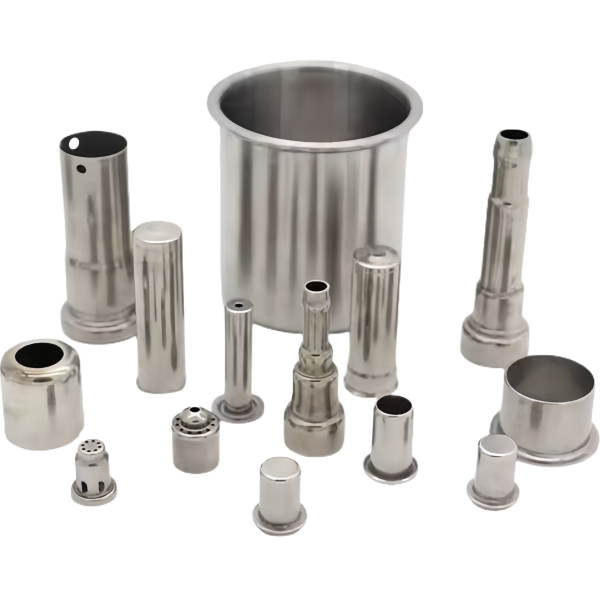
Material Selection for Deep Drawing: Stainless Steel, Aluminum, Brass & Copper
Why Material Choice Drives the Whole Process In deep drawing, the metal is not a passive input — it decides the draw ratio, the number of redraws, the anneal steps,…
-
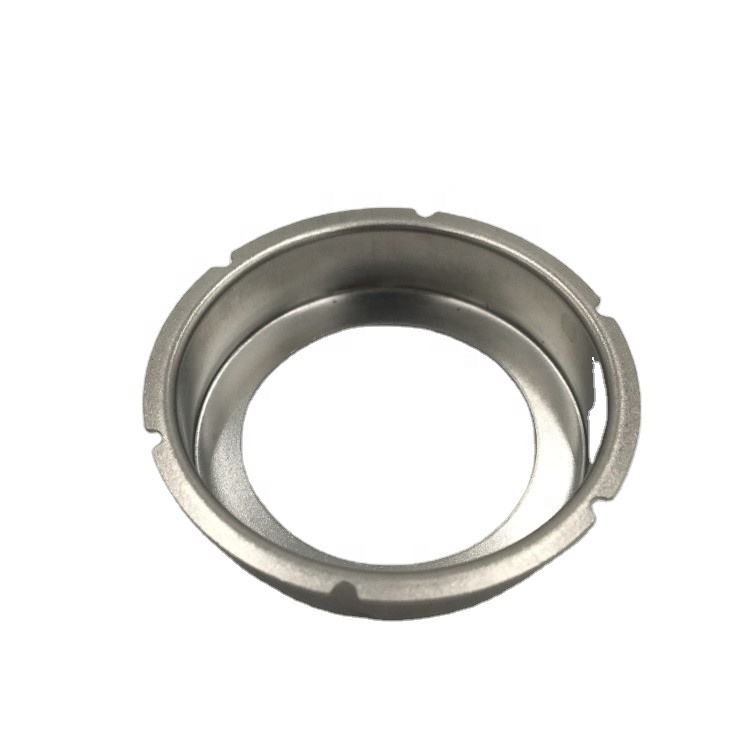
Designing Small Deep Drawn Parts: 8 Considerations
Why Small Parts Deserve a Different Design Lens Deep drawing small parts — say under 20 mm in diameter — follows the same physics as large shells, but the tolerances…
-
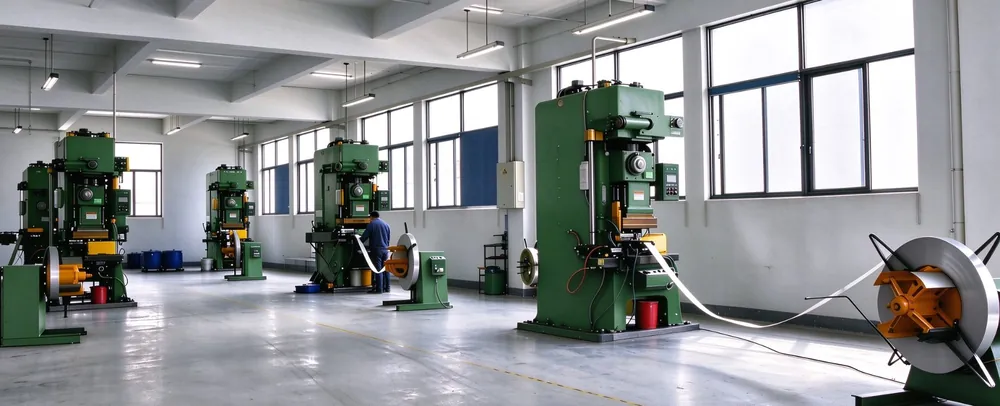
How Deep Drawn Parts Reduce Manufacturing Costs
Why Deep Drawn Parts Cost Less to Make When buyers compare quotes for a cylindrical housing, a sealed can, or a precision sleeve, the deep drawn option is almost always…
-
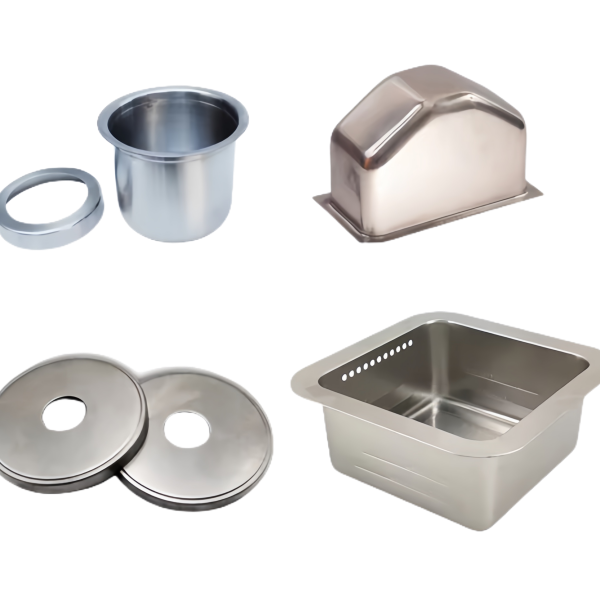
Types of Deep Drawn Parts: Simple, Average & Difficult Geometries
How Deep-Drawn Part Difficulty Is Classified Not every “deep drawn part” is equally hard to make. Shops grade difficulty on a spectrum because the difference between an easy cup and…
-
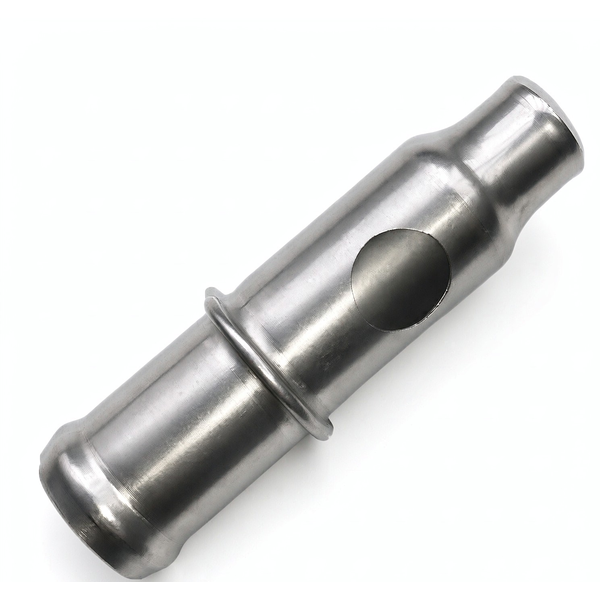
Limiting Draw Ratio (LDR) Reference for Deep Drawn Parts
The limiting draw ratio (LDR) is the largest ratio of blank diameter to punch diameter a sheet can survive in a single draw without fracturing: LDR = Db ÷ dp.…
-
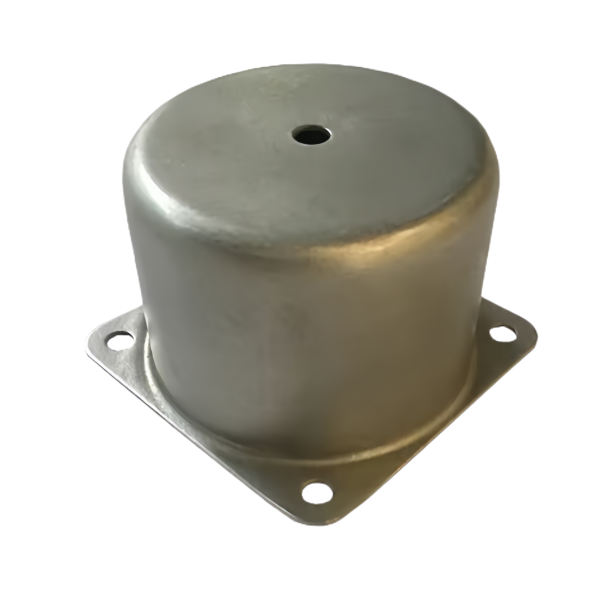
Deep Drawn Covers: Design, Materials & Sourcing Guide
Draw ratios, material selection, achievable tolerances and what to put on a drawing so the first deep drawn cover quotation is the right one.
-
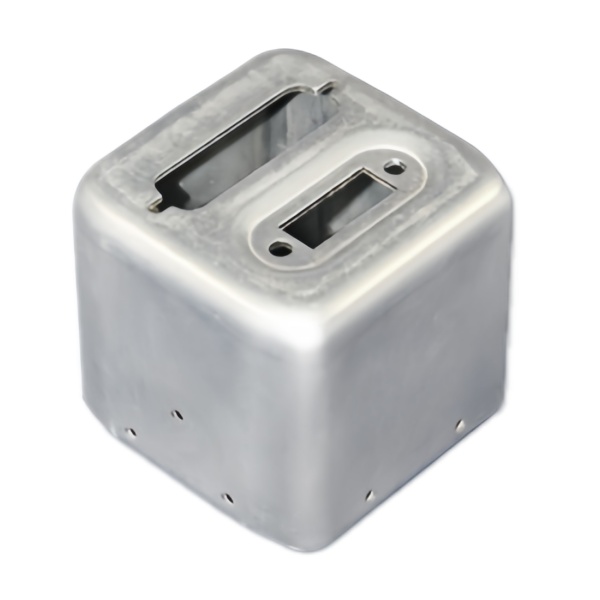
Deep Drawn vs Machined vs Welded Housings
Deep drawing, machining or welding for your sensor housing? Compare cost, leak-tightness, lead time and volume fit – from a working deep draw factory.
-
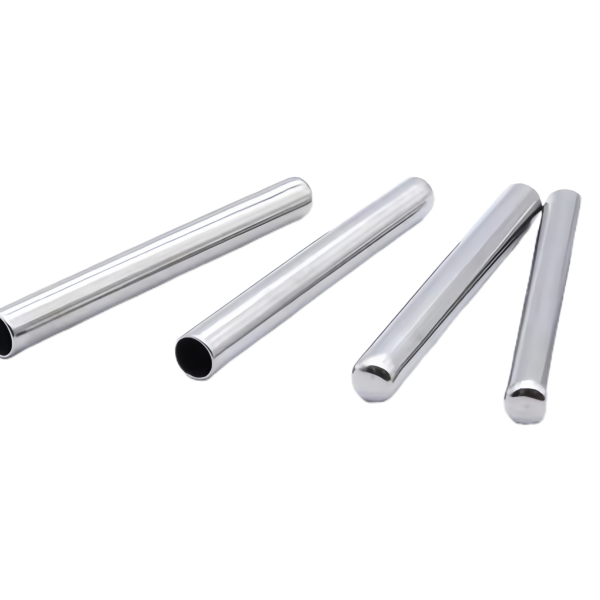
SS304 vs SS316 for Sensor Housings: How to Choose
SS304 or SS316 for your sensor housing? Compare corrosion resistance, cost and application fit for deep drawn stainless steel housings, from a working factory.
-
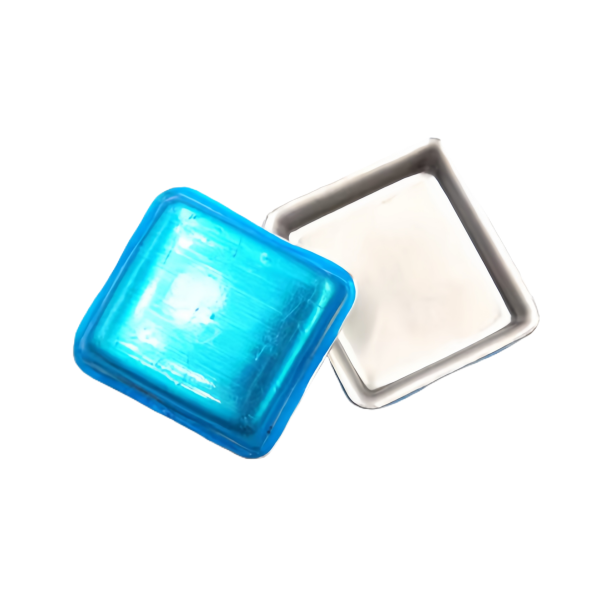
Advantages of Deep Drawn Manufacturing
Why deep drawn manufacturing wins on speed, strength and sealing: work hardening, one-piece forming and process consistency explained.
-
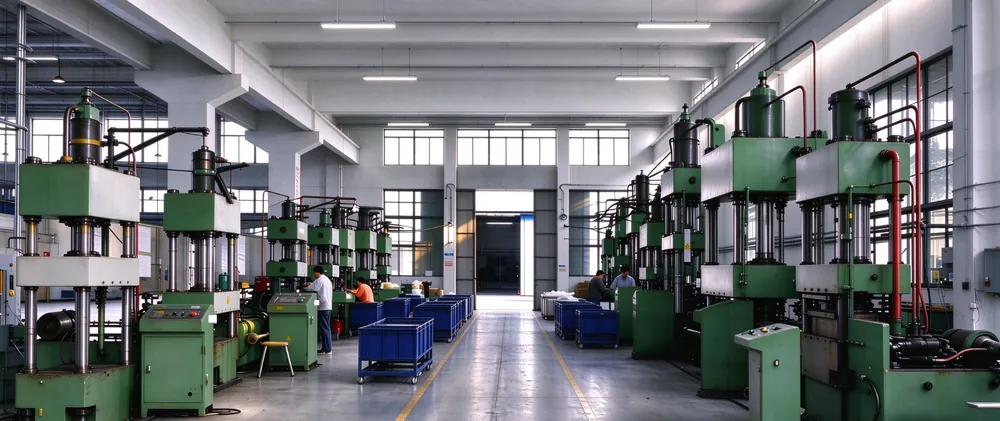
Deep Drawing: Process, Materials & Design Guide
Hangzhou Aunov Tech Co.,Ltd. is a professional manufacturer of deep drawing & stamping parts, especially precision deep drawn parts & stamping parts, deep drawn automobile parts,sensor housings, pump and valve…
-
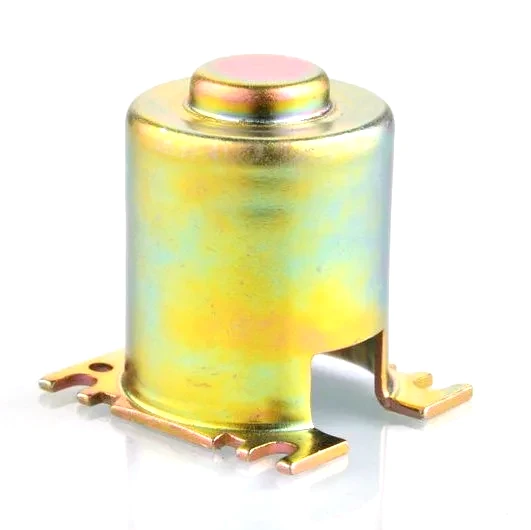
What is an Auto Starter? Components Explained
How an auto starter works and where stamped motor housings & covers fit in. From Aunov Tech, auto electric parts OEM since 2009.
Deep Drawing
Deep drawing turns a flat blank into a seamless shell. The limits of the process are set by the draw ratio: how deep a part can be drawn relative to its diameter before the material tears or thins past the specification. A material that draws easily at one ratio will crack at another, and the difference is often smaller than design teams expect.
Where a part exceeds a single draw, the route becomes first draw, redraw and finish draw, with an intermediate anneal between stages to restore ductility. Each extra stage adds tooling cost and handling, so the value of designing to a lower draw ratio is usually greater than the value of a marginal depth reduction.
Metal Stamping and Forming
Stamping covers blanking, piercing, bending and forming of flat stock. The tooling decision that matters most is whether the part runs on a single-station die or a progressive die. A progressive die costs more to build but produces the part in one continuous stroke, which is usually the cheaper route above a certain annual volume.
For a part with formed features rather than a deep cavity, stamping is normally the economical choice. Where the geometry needs a seamless wall, deep drawing takes over. The crossover point between the two is a quotation-stage decision based on depth, volume and whether the application can tolerate a seam.
Materials and Tolerance
Cold-rolled carbon steel is the default for housings and covers that will be plated or painted. Stainless steel 304 and 316 come in where corrosion resistance is required, though both work-harden faster and need slower draw speeds. Aluminum draws with high ductility but galling is a real risk, so die polish and lubrication matter more than they do on steel. Brass and copper are used for small sleeves and electrical parts.
Typical production tolerance on controlled dimensions is +/-0.01 mm to +/-0.05 mm, depending on part size and feature type. Tighter bands can be quoted where the die and the process route support them, but a tighter band on a feature that does not need it only adds cost.
Working With Us
A drawing or a dimensioned sketch is enough to start. Our engineers review formability, propose the forming route and flag risks before tooling is cut, then come back with tooling cost and a per-piece price. Drawings stay confidential and are not shared outside the project.
Request a Technical Discussion
If your question is not covered here, send it with the drawing. We answer technical questions directly rather than routing them through a sales team — the reply usually comes from the engineer who would run your part.
Write to [email protected], or use the form on the contact page.