
Why Quotes for the Same Stainless Steel Deep Drawn Part Vary So Much
Same print, three very different prices? A die engineer explains what actually drives stainless steel deep drawing quotes.

Same print, three very different prices? A die engineer explains what actually drives stainless steel deep drawing quotes.

Why Deep Drawn Parts Cost Less to Make Deep drawing is a metal forming process that shapes a flat blank into a seamless part in one press line. Because one blank becomes one part, material use stays high and minimum order quantities are typically around 1,000 pieces, so the unit-cost advantage grows with volume. When…
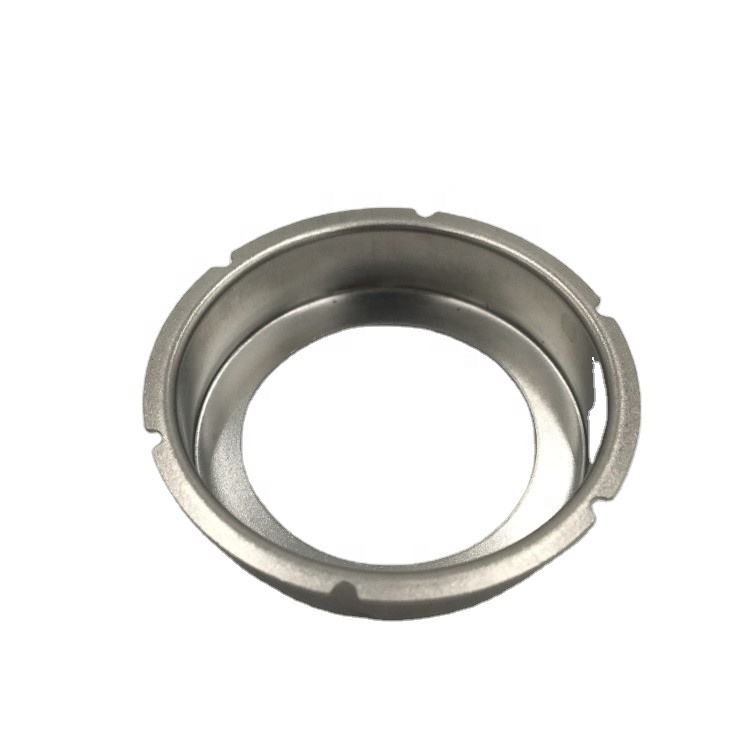
Why Small Parts Deserve a Different Design Lens Small deep drawn parts are components under roughly 20 mm in diameter formed by the same drawing physics as large shells, but with far tighter tolerances. Deep drawing small parts — say under 20 mm in diameter — follows the same physics as large shells, but the…
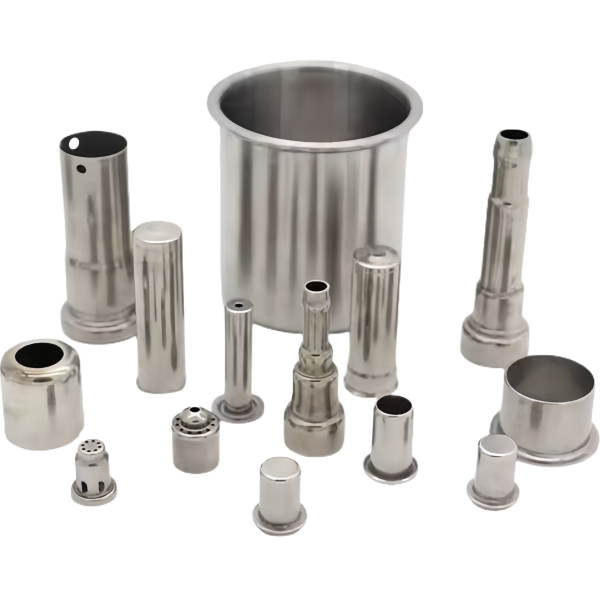
Why Material Choice Drives the Whole Process Material selection for deep drawing is the decision of which alloy to form, because the metal sets the draw ratio, the number of redraws and the scrap rate. In deep drawing, the metal is not a passive input — it decides the draw ratio, the number of redraws,…
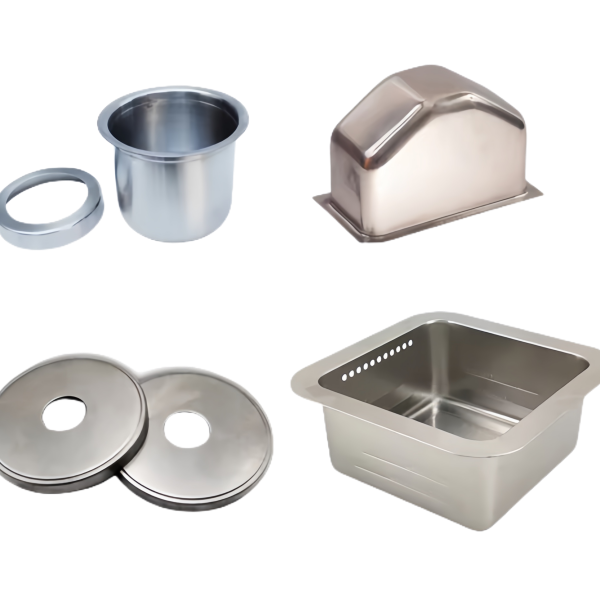
How Deep-Drawn Part Difficulty Is Classified Deep drawn parts are seamless components formed by pulling a flat blank into a shaped die, and they range from simple cups to difficult thin-walled housings. Not every “deep drawn part” is equally hard to make. Shops grade difficulty on a spectrum because the difference between an easy cup…