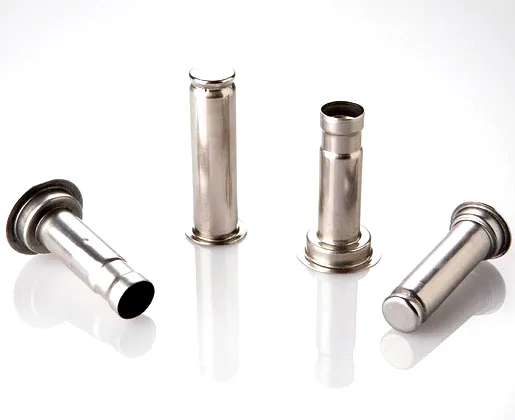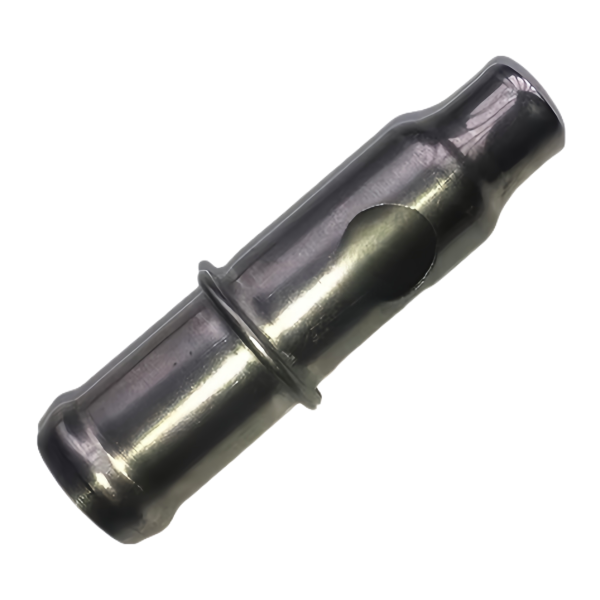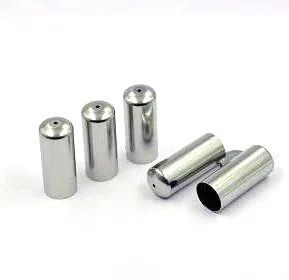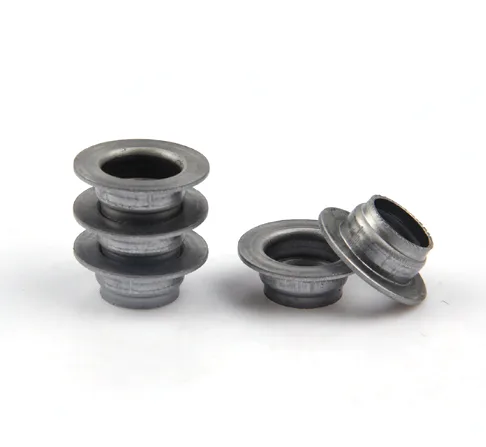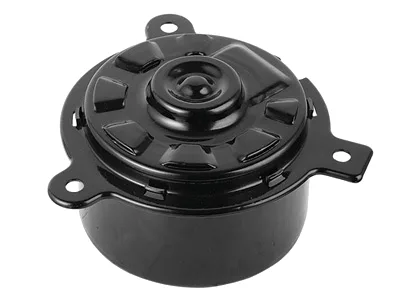
Produced in stainless steel by Aunov Tech, the Electric Warm Wind Motor Can is formed and machined on the same floor. In duty, the HVAC motor housing shields the windings while the flange mounts the motor in the air path. Forming and machining share equipment, staff and batch records, so the approved sample defines every later batch under one roof.
Product overview
The drawing for this metal can fixes, wall thickness control, flange geometry and the sealing surface, re-checked whenever the drawing is revised.
Forming, machining and finishing for this metal can happen on one site, so the route from print to sample stays short, and every step is logged against the part number.
How it is manufactured
Manufacturing runs on a controlled process path: Drawing converts a flat blank into the finished envelope in one controlled sequence; after drawing, critical faces are machined and the part is degreased and gauged.
The electric warm wind manufacturing record is archived together with the drawing revision that produced it. That record is what every electric warm wind reorder is built on, so nothing changes silently between shipments.
Materials and surface finish
Base materials in stock: cold-rolled steel (SPCC / DC01), 304 / 316 stainless, aluminium, brass, copper and bronze and this metal can runs in carbon steel or stainless.
Coating and polishing are matched to the end use: electrophoresis, powder coating, anodising and zinc / nickel plating. The agreed finish for this metal can travels with the part number on every reorder.
Production batches of the electric warm wind are gauged back to the signed first article, not to a memory of it. Process settings for the electric warm wind are archived, so later runs can be compared with the one you approved.
Quality control and inspection
The factory operates with ISO 9001 certification: stock arrivals are checked against mill certificates, the first article is CMM-measured against the print, and routine sampling keeps batches aligned with the first article. At HVAC motor housing level, shaft-bore runout is measured at first article, and salt-spray testing backs the coating choice for wet locations. Torque, leak and pressure tests are available where the assembly needs them, and the batch file carries the results.
Where the part is used
The metal can sits in industrial and appliance assemblies for customers who own the drawing and the tooling.
This metal can is supplied to several positions in the same machine, so one tooling set serves every position, and approvals carry across programmes.
Specifications
| Item | Electric Warm Wind Motor Can |
|---|---|
| Brand | AUNOV |
| Designing | Send drawings, or send a sample to be measured – samples are reverse-measured into a controlled drawing; changes are priced before they are made. |
| Tooling | Dies, fixtures and gauges are made in our own toolroom, so die cost stays transparent, and maintenance is tracked against the part number. |
| Samples | Pre-production samples come with a full inspection report, so the part is proven before it is made in volume, and production starts only after your written sign-off. |
| Materials | Stock runs to carbon steel, 304 / 316 stainless, aluminium and brass; mill certificates and heat numbers accompany the first article. |
| Surface finish | Zinc, nickel or chrome plating, anodising, passivation or e-coat; the finish is inspected with the dimensional report on the first article. |
| Processing | Multi-stage deep drawing with interstage annealing, trimmed and pierced in following dies; batch records are filed so a repeat order starts from approved data. |
| Equipment | Mechanical presses from 5 to 250 T and hydraulic presses 250-500 T, with in-line annealing furnaces; first articles and batch samples are checked on the CMM. |
| Tolerance | +/-0.05 mm to +/-0.1 mm across the part, wall thickness held to print; critical dimensions carry CMM data with the shipment. |
| Delivery terms | FOB, CIF or DDP per Incoterms 2020, T/T with deposit and L/C for larger runs; call-off schedules are supported. |