
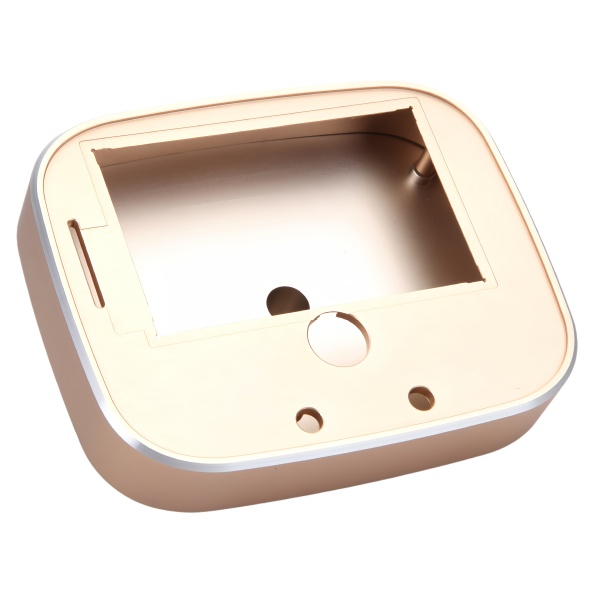
An anodized aluminum enclosure shell machined from solid – no seams, no folded corners, just one stiff milled block cavity. Machined enclosures cost more than folded ones but give EMI-friendly continuity and a premium feel for high-end devices.
Function and Design
The device enclosure shell is small in the bill of materials and large in the warranty claim when it goes wrong. Tolerances that matter are confirmed with capability data before the device enclosure shell is quoted.
Key Features
- Anodising is grown from the aluminium itself, so it cannot flake off the way a coating can.
- Everything here is made to print – the listing shows the device enclosure shell family, your drawing sets the part.
- Inspection records and material certs can be supplied with each shipment.
- Material: No fixed grade – the drawing governs; stock covers steel, stainless, aluminium and brass for device enclosure shell work.
- Process: CNC turning and milling for the device enclosure shell, bar-fed where the geometry allows.
- Finish: anodising, colour to spec – the finish is inspected with the dimensional report on the device enclosure shell first article.
- Size: Size is taken from the customer drawing; the device enclosure shell family range gives a starting point for quotation.
- Custom: OEM/ODM device enclosure shell work – first articles verified before production starts.
Where It Is Used
Typical applications include pump and valve assemblies, instrumentation fittings, pneumatic and hydraulic systems.
Our Production Advantage
Tolerance judgment on the device enclosure shell is made in microns, not by eye. Inspection is done in a climate-controlled room, and any dimension that drifts stops the machine rather than the shipment.
Request a quotation and the reply confirms device enclosure shell material options, tolerances and tooling cost.